CM Majhi Unveils Statue of Odisha's First Woman MLA Sarala Devi
Synopsis
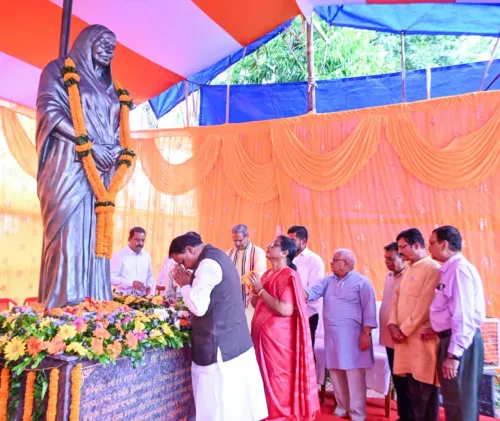
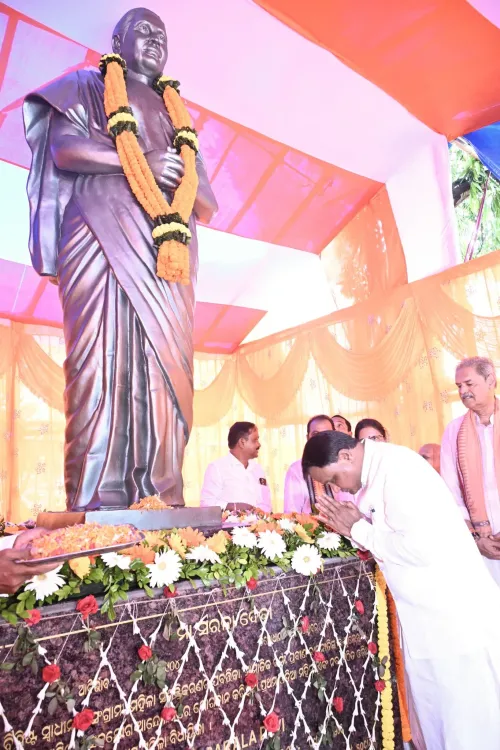
Odisha Chief Minister Mohan Charan Majhi unveiled a statue of Sarala Devi — freedom fighter and the state's first woman legislator — near the Odisha Legislative Assembly in Bhubaneswar on August 9, 2026, reaffirming his government's commitment to Odia identity and honouring independence movement figures.
Key Takeaways
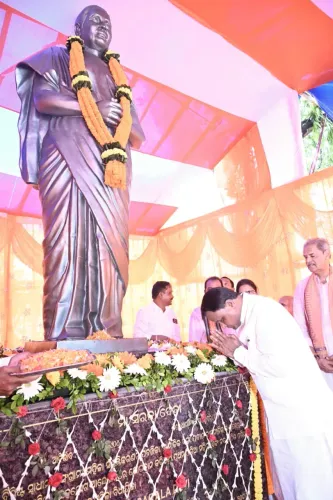
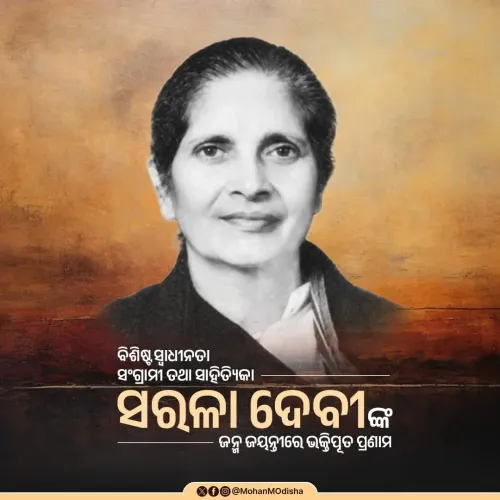
Statue unveiled of Sarala Devi , Odisha's first woman MLA and freedom fighter, near the Odisha Legislative Assembly in Bhubaneswar .
The unveiling was performed by Odisha Chief Minister Mohan Charan Majhi on August 9, 2026 .
CM Majhi described protecting Odia asmita (Odia identity) and honouring freedom fighters as a 'priority' of his government.
The statue's location — adjacent to the legislature Sarala Devi helped pioneer — carries deliberate symbolic significance.
The event aligns with the BJP-led Odisha government's post-2024 emphasis on regional cultural commemoration and recognition of women in the independence movement.
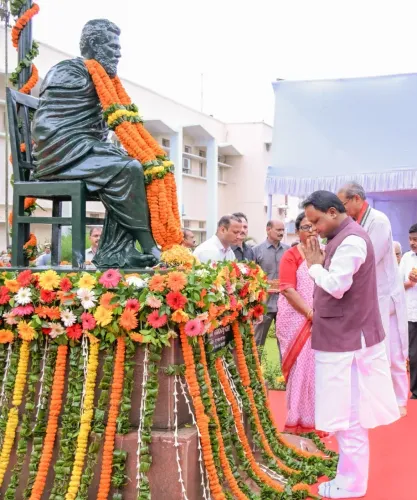
Near the steps of the Odisha Legislative Assembly in Bhubaneswar, a woman who broke every barrier her era could erect has finally taken her permanent place in stone. Odisha Chief Minister Mohan Charan Majhi on Sunday, August 9, 2026, unveiled a statue of Sarala Devi — freedom fighter and the state's first woman legislator — in a ceremony that the government framed as a commitment to preserving Odia identity and the legacy of those who sacrificed for independence.
Posting in Odia, CM Majhi wrote: 'Odia asmitara suraksha o pujyapuja paramparakku bajaya rakhiba ama sarkarkara prathamikta' — 'Protecting Odia identity and upholding our tradition of reverence is our government's priority.' He added that his administration is 'committed to paying fitting tribute to the immeasurable sacrifice of our freedom fighters,' and that Sarala Devi's courage, service, and devotion to the motherland 'will remain a perennial source of inspiration for generations to come.'
Sarala Devi: Trailblazer of the Independence Era
Sarala Devi holds a singular place in Odisha's political history as the state's first woman member of the legislative assembly. A participant in the freedom movement, she represented a generation of women who stepped into public life when doing so carried real personal risk. Her election to the assembly marked a milestone not just for Odisha but for post-independence Indian democracy, demonstrating that women from the state's political soil could claim legislative space from the very beginning of the republic.
Placing her statue near the Odisha Legislative Assembly — the very institution she helped pioneer — carries deliberate symbolic weight. It ensures that every legislator who walks those grounds does so past a reminder of what it cost to build the democracy they now inhabit.
Odia Asmita and the BJP's Cultural Commemoration Drive
The unveiling fits squarely into a pattern that has defined the Majhi government since it took office in 2024: a sustained emphasis on Odia asmita (Odia identity) as both a cultural and a political project. Odisha governments across parties have periodically honoured freedom fighters through public memorials, but the current administration has made this a more explicit pillar of governance, linking regional pride to the national narrative of independence.
Honouring a woman freedom fighter on this occasion also speaks to a wider BJP effort at the national level to foreground women's contributions to the independence struggle — figures who were historically sidelined in the dominant retelling of that history.
With the statue now in place, the Majhi government signals that more such commemorations may follow. Odia heritage, it is clear, is not just a talking point — it is being cast in bronze.
Point of View
CM Majhi is simultaneously building regional identity credentials and aligning with the BJP's national project of reclaiming underrepresented independence-era figures. Placing the statue at the Legislative Assembly — rather than a park or public square — elevates the gesture from ceremonial to institutional. If the Majhi government follows through with further heritage commemorations, it could consolidate a durable cultural narrative that outlasts any single electoral cycle.
NationPress
24 Sept 2026
Frequently Asked Questions
Who was Sarala Devi of Odisha?
Sarala Devi was a prominent Odisha freedom fighter and the state's first woman member of the legislative assembly, celebrated for her role in the independence movement and her public service to Odisha.
Where was Sarala Devi's statue unveiled?
The statue was unveiled near the Odisha Legislative Assembly in Bhubaneswar on August 9, 2026 .
Who unveiled Sarala Devi's statue in Bhubaneswar?
Odisha Chief Minister Mohan Charan Majhi unveiled the statue as part of his government's initiative to honour freedom fighters and preserve Odia cultural identity.
What is Odia asmita and why does CM Majhi keep mentioning it?
Odia asmita means 'Odia identity' or 'Odia pride.' CM Majhi's BJP-led government has made protecting and promoting this regional identity a central governance theme since taking office in 2024, using cultural commemorations and heritage events to give it concrete expression.
Was Sarala Devi the first woman MLA in all of India?
Sarala Devi is recognised as Odisha's first woman MLA. The research available does not support a claim that she was the first woman MLA across all Indian states, so that broader assertion should not be made.