CM Sai Pushes Tech Overhaul of Chhattisgarh's Food Network
Synopsis
Chhattisgarh CM Vishnu Deo Sai has pledged to modernise the state's Public Distribution System using technology, aiming to make subsidised food grain delivery more transparent and accessible to every eligible household.
Key Takeaways
CM Vishnu Deo Sai announced on 9 August 2026 that Chhattisgarh's PDS is being upgraded with modern technology.
The stated goal is timely, hassle-free delivery of subsidised food grain to every entitled family in the state.
The reform is anchored in the National Food Security Act of 2013 , which legally entitles a large share of India's population to subsidised grain.
Indian states have been digitising PDS operations — linking them to Aadhaar and electronic point-of-sale systems — since the mid-2010s to curb leakages.
Chhattisgarh's rural and tribal population makes last-mile food delivery a high-stakes governance challenge for the BJP government.
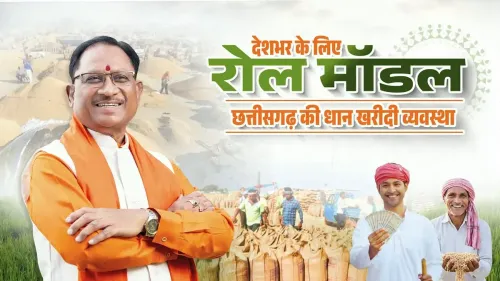
No family goes hungry. No eligible household is denied its right to food. That is the promise Chhattisgarh Chief Minister Vishnu Deo Sai has publicly renewed, announcing that the state's Public Distribution System (PDS) is being modernised through technology to make food grain delivery simpler, more transparent, and more accessible to every entitled family.
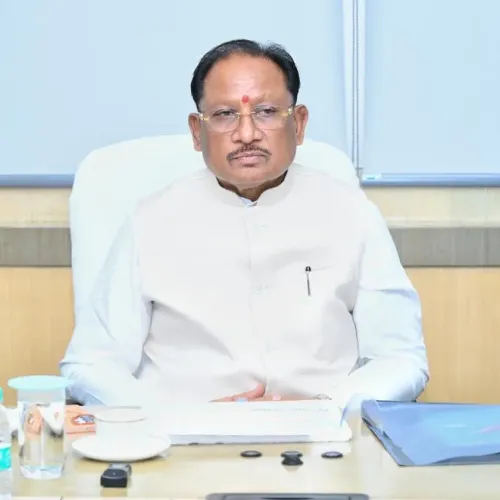
Posting on Sunday, 9 August 2026, CM Sai wrote in Hindi: 'Koi parivaar bhooka na rahe, koi zarooratmand apne adhikar se vanchit na rahe' — 'No family should go hungry, no needy person should be deprived of their rights.' He framed the technology-driven reform of the PDS as the government's core priority: food on every plate and food-security confidence in every household.
What the PDS Modernisation Aims to Fix
The Public Distribution System is the backbone of India's food security architecture, operating under the National Food Security Act of 2013, which legally entitles a large share of the population to subsidised food grains. In practice, the system has long struggled with leakages — ghost beneficiaries, diverted stock, and delayed delivery — problems that erode trust and leave genuine beneficiaries empty-handed. Since the mid-2010s, Indian states have progressively linked PDS operations with Aadhaar, digitised ration cards, and electronic point-of-sale machines at fair price shops to tighten targeting and plug gaps. Chhattisgarh, a state with a substantial rural and tribal population that depends heavily on subsidised grain, has been part of this national digitisation drive. CM Sai's statement signals that this push is continuing — and being deepened — under the current BJP government.Sai's Guarantee: Timely Grain, Zero Hassle
The Chief Minister's emphasis on delivery that is 'on time and without any difficulty' points to the persistent last-mile challenge: even when grain is allocated and funds are disbursed, beneficiaries in remote or forested areas of Chhattisgarh can face delays, demands for bribes, or simply absent fair-price shop dealers. Technology — whether real-time supply-chain tracking, biometric authentication, or digital grievance redressal — is the stated instrument for closing that gap. The specific tools being deployed were not detailed in the post, and precise implementation data is not independently verified at this stage. What is clear is the political intent: CM Sai is staking his government's reputation on making the state's food safety net work for its most vulnerable residents. In a state where food insecurity has historically been acute in its tribal belts, that is not a small claim to make.Point of View
He is signalling continuity with the BJP's national welfare narrative while addressing a historically sensitive pressure point in Chhattisgarh's tribal-heavy constituencies. The emphasis on technology as the reform instrument fits a broader Centre-state pattern of using digitisation to demonstrate administrative credibility. The real test will be in measurable outcomes — reduced diversion, faster delivery, lower grievance rates — which the state has yet to publish for the current government's tenure. Until those numbers surface, this remains a statement of intent rather than a report of achievement.
NationPress
24 Sept 2026
Frequently Asked Questions
What is the Public Distribution System in Chhattisgarh?
The Public Distribution System (PDS) in Chhattisgarh is the state's network of fair-price shops that delivers subsidised food grains — primarily rice and wheat — to eligible households under the National Food Security Act of 2013.
What did CM Vishnu Deo Sai say about food security?
CM Sai said no family should go hungry and no needy person should be denied their rights, announcing that Chhattisgarh's PDS is being modernised with technology to make food grain delivery simpler, more transparent, and timely.
How is technology being used to improve PDS in India?
Indian states have linked PDS with Aadhaar biometric authentication, issued digitised ration cards, and installed electronic point-of-sale machines at fair-price shops to reduce leakages, eliminate ghost beneficiaries, and ensure grain reaches genuine beneficiaries.
What is the National Food Security Act 2013?
The National Food Security Act of 2013 is a central law that legally entitles a large portion of India's population to subsidised food grains through the PDS, making access to affordable food a statutory right rather than a discretionary benefit.
Why is PDS reform important in Chhattisgarh?
Chhattisgarh has a large rural and tribal population that depends heavily on subsidised grain. Last-mile delivery failures — delays, diversions, and absent dealers — have historically left the most vulnerable residents without their entitled food supply, making PDS efficiency a critical governance issue.