CM Sai Hails Cabinet Nod to SARTHAK-PDS Phase-2
Synopsis
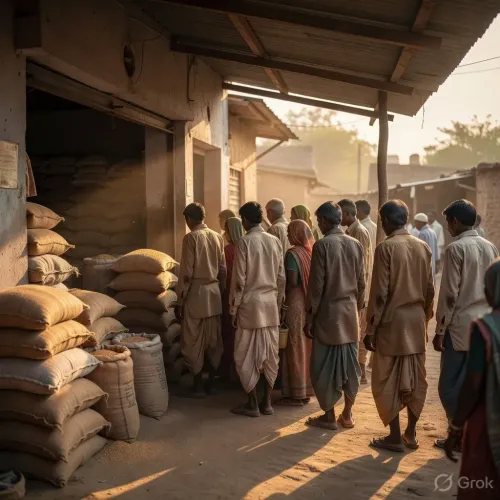
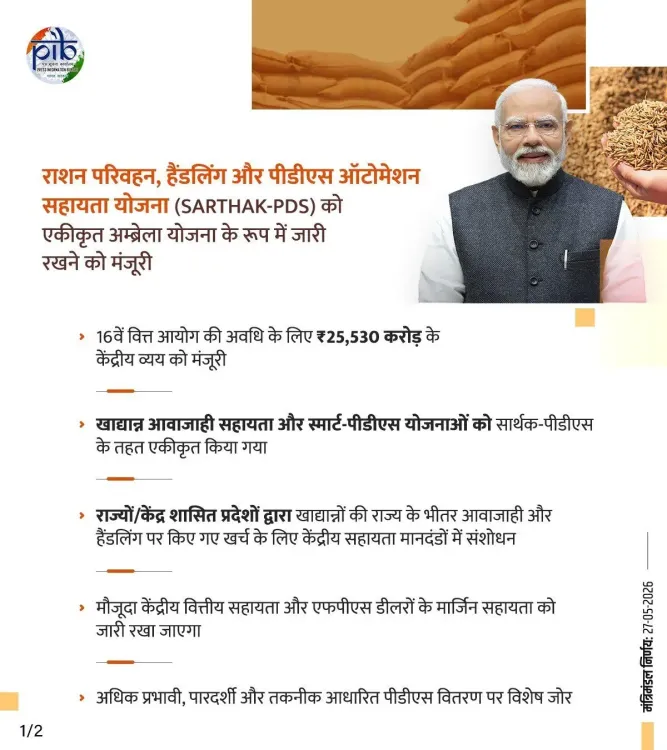
Chhattisgarh CM Vishnu Deo Sai on 27 May 2026 hailed the Union Cabinet's approval of SARTHAK-PDS Phase-2, which will deploy AI, GPS, QR codes and digital monitoring to make India's ration distribution system more transparent and effective for the poorest households.
Key Takeaways
The Union Cabinet, under PM Narendra Modi , approved SARTHAK-PDS Phase-2 on or before 27 May 2026 .
CM Vishnu Deo Sai welcomed the decision as a strengthening of food security and welfare delivery for the poor.
The upgraded system will integrate AI, GPS tracking, QR codes and digital monitoring into ration distribution.
The move builds on earlier PDS reforms including the One Nation One Ration Card scheme and Aadhaar -linked biometric authentication.
The decision is framed around the Antyodaya principle of reaching the most marginalised sections of society.
State civil supplies departments, including Chhattisgarh's , will handle ground-level implementation.
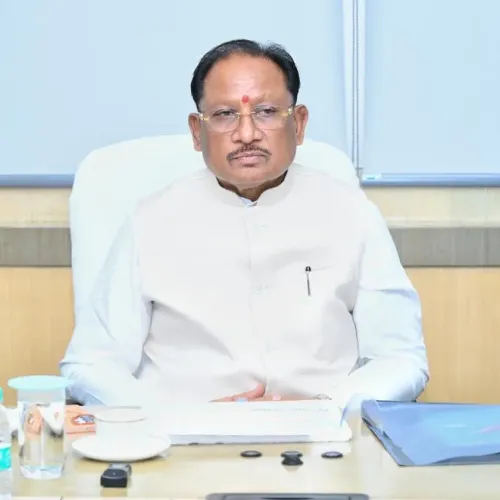
Chhattisgarh Chief Minister Vishnu Deo Sai on Wednesday, 27 May 2026, welcomed the Union Cabinet's approval of SARTHAK-PDS Phase-2, calling it a landmark decision to strengthen food security and welfare delivery for the poor through modern technology.
Context
Posting on X, CM Sai described the cabinet decision as aligned with the 'double-engine government' model — a BJP formulation referring to coordinated governance between a BJP-ruled state and the BJP-led Centre. In his words, 'डबल इंजन सरकार का संकल्प है कि गरीबों तक योजनाओं का लाभ पूरी पारदर्शिता और संवेदनशीलता के साथ पहुंचे' ('It is the resolve of the double-engine government that the benefits of schemes reach the poor with full transparency and sensitivity').
He credited Prime Minister Narendra Modi for the cabinet's move and expressed gratitude, stating the decision would further empower PM Modi's commitment to reaching the person standing on the 'last rung of society' — a reference to the Antyodaya philosophy of prioritising the most marginalised.
Policy Backdrop
India's Public Distribution System (PDS) is governed by the National Food Security Act, 2013, which entitles approximately 67 per cent of the country's population to subsidised food grains. Over successive years, the Centre has layered digital tools — Aadhaar-linked biometric authentication, the One Nation One Ration Card scheme launched in 2019, and real-time monitoring dashboards — onto the PDS to curb leakages and eliminate ghost beneficiaries.
SARTHAK-PDS Phase-2, as described by CM Sai, is set to integrate Artificial Intelligence (AI), GPS tracking, QR codes and digital monitoring into the ration distribution chain. The Chief Minister said these technologies would make the system 'more transparent, accountable and effective' in delivering food grains to eligible beneficiaries.
This upgrade follows the broader Digital India programme's push to use technology as a governance tool, and is presented as a continuation of the Pradhan Mantri Garib Kalyan Anna Yojana legacy of free or subsidised food grain provisioning that gained momentum during the COVID-19 period from 2020 onwards.
Stakeholders and Impact
The primary beneficiaries are ration card holders — priority households and Antyodaya Anna Yojana families — who depend on the PDS for monthly food grain allocations. State civil supplies departments, including Chhattisgarh's own food and civil supplies machinery, will be responsible for on-ground implementation of the upgraded system.
For Chhattisgarh specifically, which has historically maintained one of India's more active PDS networks, the technology integration is expected to reduce diversion of grains and improve last-mile delivery to tribal and remote communities. CM Sai framed the decision not merely as a logistical upgrade but as one that would strengthen 'trust, convenience and good governance' in the lives of the poor.
What's Next
Attention will now turn to state-level implementation timelines, the rollout of central monitoring dashboards under SARTHAK-PDS Phase-2, and whether food subsidy allocations are adjusted in the next parliamentary session or Union Budget to accommodate the expanded digital infrastructure. How quickly states like Chhattisgarh operationalise the AI and GPS components will determine whether the cabinet decision translates into measurable improvements in PDS efficiency at the ground level.
Point of View
Publicly welcoming the decision reinforces the 'double-engine government' narrative ahead of any future electoral cycle in Chhattisgarh, tying state performance to central policy wins. The Antyodaya framing is deliberate: it positions the BJP's welfare architecture as morally rooted in serving the poorest, countering opposition arguments about elite capture of digital systems. The real test, however, will be whether AI and GPS integration at the fair-price shop level reduces leakages in practice, particularly in Chhattisgarh's remote tribal belts where last-mile connectivity remains uneven.
NationPress
11 Oct 2026
Frequently Asked Questions
What is SARTHAK-PDS Phase-2?
SARTHAK-PDS Phase-2 is a Union Cabinet-approved upgrade to India's Public Distribution System that deploys AI, GPS, QR codes and digital monitoring to make ration distribution more transparent and accountable for eligible beneficiaries.
Who approved SARTHAK-PDS Phase-2?
The Union Cabinet, under the leadership of Prime Minister Narendra Modi, approved SARTHAK-PDS Phase-2. Chhattisgarh CM Vishnu Deo Sai publicly welcomed the decision on 27 May 2026.
What is the Antyodaya principle mentioned in the context of PDS reform?
Antyodaya, meaning 'upliftment of the last person,' is a welfare philosophy that prioritises the most marginalised households. It is the basis for the Antyodaya Anna Yojana, a category of PDS beneficiaries who receive the highest food grain entitlements.
How does SARTHAK-PDS Phase-2 differ from earlier PDS reforms?
Earlier reforms focused on Aadhaar-linked biometric authentication and ration card portability through One Nation One Ration Card. Phase-2 adds AI-based analytics, GPS tracking of supply chains and QR-code verification to further reduce diversion and improve real-time monitoring.
What does the double-engine government mean in Indian politics?
'Double-engine government' is a BJP formulation describing a state where both the state government and the central government are led by the BJP, implying better coordination and faster delivery of central schemes at the state level.