Rahul Gandhi backs Bundelkhand tribals fighting Ken-Betwa project
Synopsis
Congress leader Rahul Gandhi backed Adivasi communities staging a satyagraha against the Ken-Betwa River Link Project on 19 August 2026, calling Bundelkhand residents deserving of respect and support as they fight displacement and forest loss.
Key Takeaways
Rahul Gandhi publicly declared solidarity with tribal communities opposing the Ken-Betwa River Link Project on 19 August 2026 .
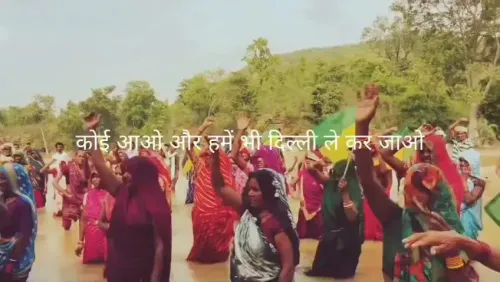
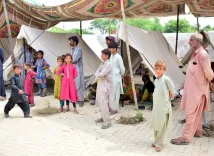
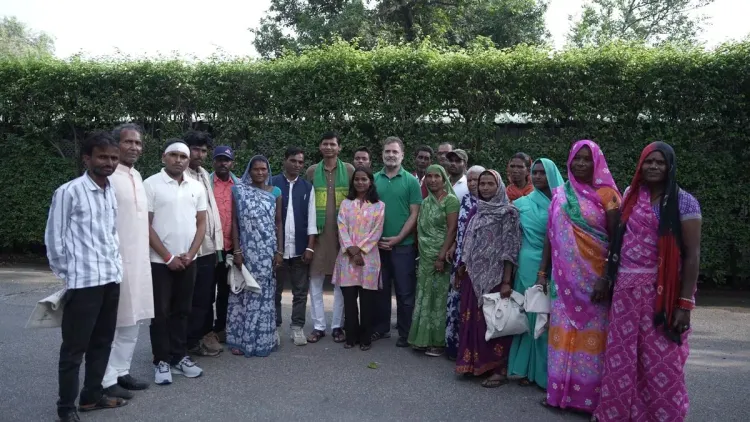
The post shared what appears to be video testimony of affected Adivasi men and women from Bundelkhand describing their struggles in their own words.
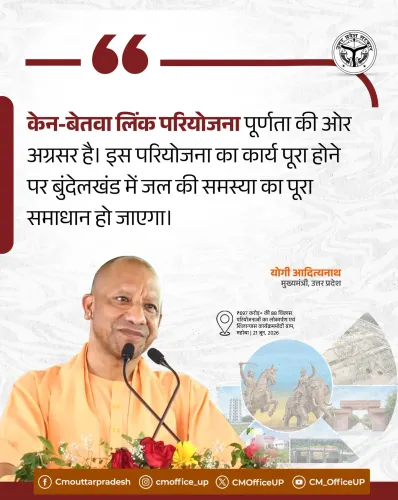
The Ken-Betwa project is designed to transfer water from Madhya Pradesh to Uttar Pradesh to address drought, but has faced sustained resistance over forest submergence and displacement.
Protections under the Forest Rights Act , including gram sabha consent for forest diversion, have been a central issue in the tribal resistance.
The satyagraha is part of a broader national pattern of indigenous communities clashing with large infrastructure projects over land acquisition and rehabilitation.
Environmental clearances, court petitions, and parliamentary scrutiny are the most likely next battlegrounds for this dispute.
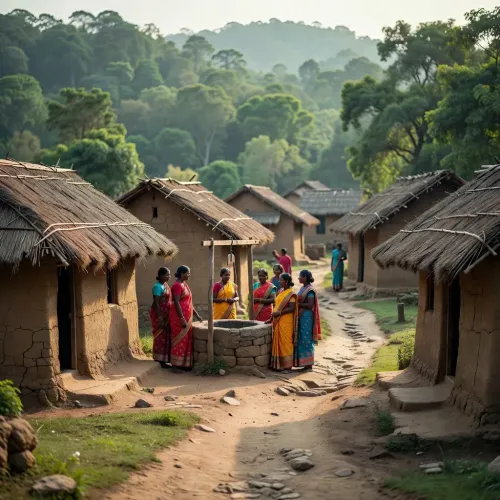
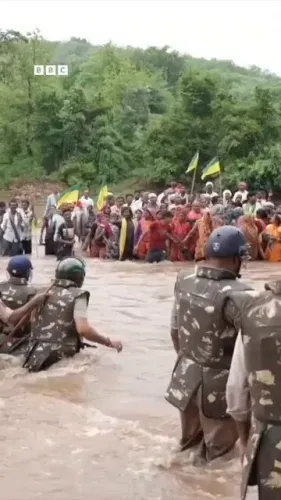
In the drought-scarred heartland of Bundelkhand, indigenous communities have been staging a satyagraha — a Gandhian act of non-violent resistance — against a river-interlinking project that they say will swallow their forests and uproot their lives. On Wednesday, 19 August 2026, Congress leader and Leader of the Opposition Rahul Gandhi declared his solidarity with these tribal men and women, amplifying their voices in a post on X.
Sharing what appears to be a video of affected community members speaking in their own words, Gandhi wrote: 'केन-बेतवा परियोजना के खिलाफ सत्याग्रह कर रहे आदिवासी भाई-बहनों की समस्याएं, मांगें, संघर्ष और आपबीती — उनकी जुबानी' ('The problems, demands, struggles and personal accounts of the tribal brothers and sisters conducting a satyagraha against the Ken-Betwa project — in their own words'). He added that the Bundelkhand residents have endured injustice and oppression for years while fighting only for their rights, and that they deserve 'respect and support' — and that he stands with them in this fight.
What the Ken-Betwa project means for the region
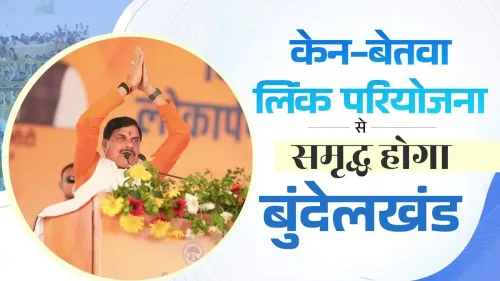
The Ken-Betwa River Link Project is a flagship component of India's long-debated National River Linking Project, designed to transfer surplus water from the Ken River in Madhya Pradesh to the Betwa River, which flows through both Madhya Pradesh and Uttar Pradesh. The stated goal is to ease the chronic water scarcity that has plagued Bundelkhand for decades — a region synonymous with farmer distress and recurrent drought.
But the project's footprint cuts through ecologically sensitive land, and critics have long argued that its benefits come at a steep cost: large-scale forest submergence and the displacement of Adivasi (indigenous tribal) communities whose livelihoods and cultural identities are tied to those forests. Protections under the Forest Rights Act — which mandates consent from gram sabhas before forest land is diverted — have been a central flashpoint in the resistance.
A pattern of tribal protest against big-ticket infrastructure
The Ken-Betwa satyagraha fits into a longer national pattern. Across central India, large infrastructure projects — dams, highways, mining corridors — have repeatedly collided with the rights of indigenous populations, generating protests that rarely make prime-time news until a prominent political figure steps in. The project's proximity to protected forest areas has sustained local resistance over multiple years, with affected villages raising concerns about the adequacy — and even the existence — of rehabilitation packages.
Opposition parties, including the Indian National Congress, have historically used such moments to draw a contrast between the stated development rationale of government projects and the ground-level consent deficit among the communities most affected. Gandhi's post continues that tradition, but the specific demands of the satyagraha and the current status of the protest could not be independently verified at the time of publication.
What to watch in the weeks ahead
The political pressure Gandhi is now applying could push the issue toward parliamentary scrutiny when the next session convenes. Environmental clearances for the project, rehabilitation timelines for displaced villages, and any court petitions challenging the land acquisition process are the pressure points most likely to produce concrete developments. For the tribal communities of Bundelkhand, the satyagraha is not new — but the national spotlight rarely stays long.
A politician's post can open a door. Whether it translates into policy redress for the people standing in front of their submerging forests is the question that will define this moment's legacy.
Point of View
Through video testimony — rather than issuing a standard political statement, the Congress is trying to shift the debate from engineering ambition to consent and rights. The Forest Rights Act angle gives the opposition a firm legal peg, not just a moral one. Whether this translates into sustained parliamentary pressure or remains a social-media moment will determine its real political weight.
NationPress
3 Oct 2026
Frequently Asked Questions
What is the Ken-Betwa River Link Project?
The Ken-Betwa River Link Project is a government initiative to transfer water from the Ken River in Madhya Pradesh to the Betwa River across Madhya Pradesh and Uttar Pradesh, aimed at easing water scarcity in the Bundelkhand region. It is part of India's National River Linking Project framework.
Why are Adivasi communities protesting against the Ken-Betwa project?
Indigenous tribal communities in Bundelkhand are opposing the project because it involves large-scale forest submergence and the displacement of people whose livelihoods and cultural ties are rooted in those forests. They have also raised concerns about the adequacy of rehabilitation packages and compliance with the Forest Rights Act.
What is a satyagraha and why is it being used here?
A satyagraha is a form of non-violent resistance rooted in Gandhian philosophy, involving peaceful protest, fasting, or civil disobedience to draw attention to injustice. Tribal communities in Bundelkhand are using this method to protest what they see as the violation of their land and forest rights by the Ken-Betwa project.
What did Rahul Gandhi say about the Ken-Betwa project?
On 19 August 2026, Rahul Gandhi posted on X sharing video testimony of affected tribal communities and stated that Bundelkhand residents who have endured injustice for years while fighting for their rights deserve 'respect and support,' declaring that he stands with them in their struggle.
What is the Forest Rights Act and how does it apply to the Ken-Betwa project?
The Forest Rights Act is a law that recognises the rights of indigenous and forest-dwelling communities over forest land and mandates that gram sabhas (village assemblies) must consent before forest land is diverted for any project. Critics of the Ken-Betwa project argue that this consent process has not been adequately followed for the affected tribal villages.