How Are Air Pollution Stories Impacting Citizens? Rahul Gandhi Invites Participation
Synopsis
Rahul Gandhi is calling for citizens to share their personal experiences with air pollution through the ‘Awaaz Bharat Ki’ portal. This initiative aims to amplify voices impacted by this pressing issue as New Delhi faces severe pollution challenges, affecting health and livelihoods. Join the conversation and make your voice heard.
Key Takeaways
Rahul Gandhi is urging public participation in sharing air pollution stories. ‘ Awaaz Bharat Ki ’ serves as a direct platform for citizen voices.
Severe air pollution impacts health, especially among vulnerable groups.
Schools in New Delhi have shifted to online classes due to poor air quality.
Public protests highlight the urgent need for action against pollution.
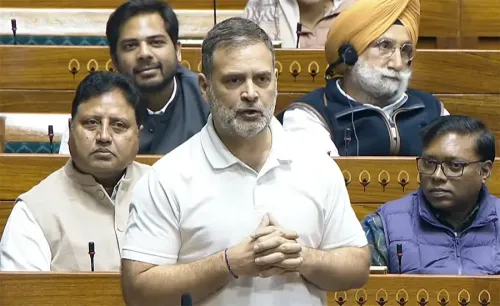
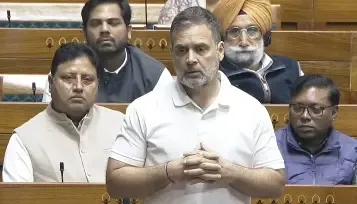
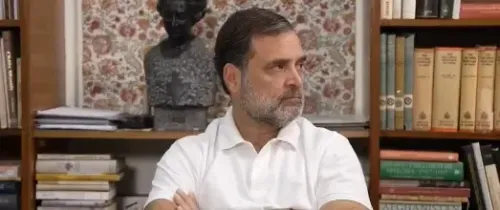
New Delhi, Jan 25 (NationPress) Lok Sabha Leader of Opposition Rahul Gandhi has called upon citizens nationwide to share their experiences regarding the impact of air pollution on their health and the well-being of their families through a dedicated portal named ‘Awaaz Bharat Ki’.
This initiative, launched by Gandhi, aims to provide a direct channel for the public to express their thoughts, suggestions, and concerns to his office, as detailed on the official website.
In a post on X, Gandhi underscored the human and economic toll of deteriorating air quality, stating, “We are paying a heavy price for air pollution — with our health and with our economy. Crores of ordinary Indians bear this burden every day.”
Emphasizing the urgent need to tackle the issue, he pointed out that the most vulnerable members of society are facing the direst consequences.
“Children and the elderly are the hardest hit. The livelihoods of construction workers and daily wage earners are severely affected. This crisis cannot be ignored until next winter. The first step toward change is to raise our voices,” Gandhi said.
He encouraged public participation, adding, “Share your story of how air pollution has impacted you or your loved ones at Awaaz Bharat Ki. Your voice matters, and it is my duty to amplify it.”
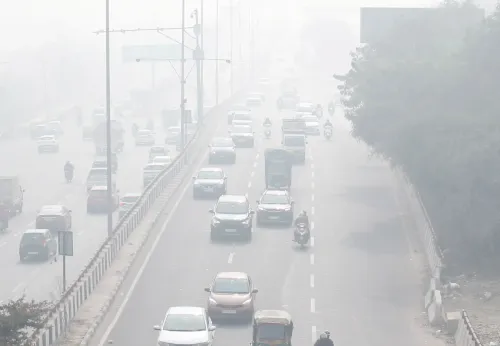
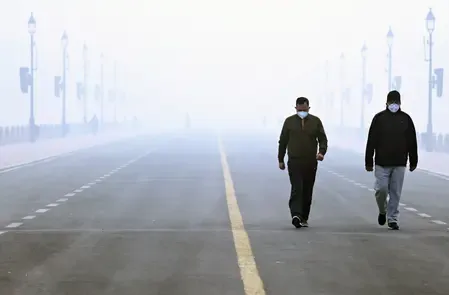
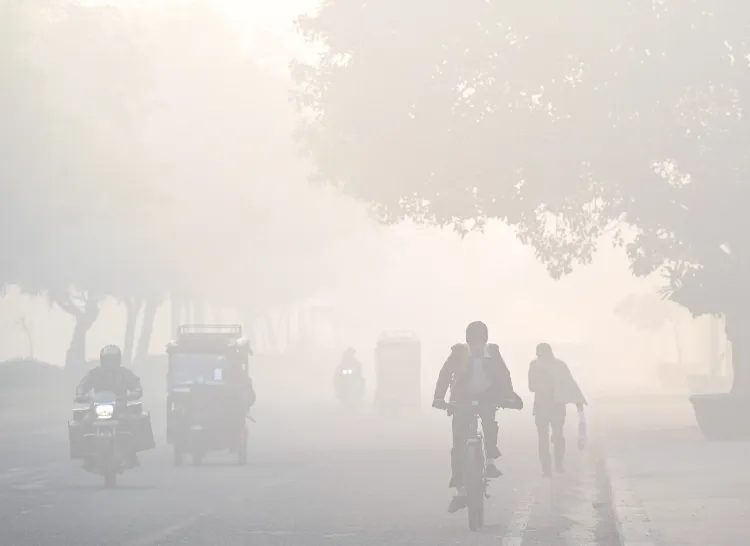
This appeal comes as New Delhi and several neighboring cities have been struggling with alarming pollution levels for months, resulting in serious respiratory and other health issues among residents.
Dense smog and persistently high pollution levels have made it increasingly challenging for individuals, especially children and the elderly, to go outside.
In recent months, schools in the capital have been compelled to switch to online classes multiple times due to the Air Quality Index dropping into the ‘severe’ category.
Last December, residents of Delhi protested against escalating pollution levels and demanded a robust action plan to address the crisis.
Over a hundred demonstrators, including students, activists, and concerned citizens, gathered at Jantar Mantar, urging both State and Central governments to implement immediate measures to improve the air quality in the capital.
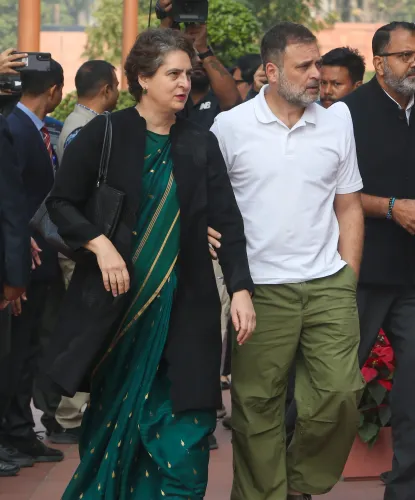
During the Winter Session of Parliament last year, the Congress party consistently raised concerns about air pollution in both Houses. Party leaders also organized protests, holding placards and demanding accountability from the ruling government for the worsening environmental and public health crisis.
Point of View
It is crucial to acknowledge the escalating concern surrounding air pollution and its effects on public health. The initiative led by Rahul Gandhi aims to foster a collective voice that can influence policy and action. Engaging citizens in this dialogue is essential for addressing the pressing challenges of air quality in urban centers.
NationPress
14 Sept 2026
Frequently Asked Questions
What is ‘Awaaz Bharat Ki’?
‘Awaaz Bharat Ki’ is a platform launched by Rahul Gandhi for citizens to share their experiences and concerns regarding air pollution and its impact on health.
How can I participate?
You can share your story of how air pollution has affected you or your loved ones by visiting the official ‘Awaaz Bharat Ki’ portal.
Why is air pollution a concern?
Air pollution poses serious health risks, particularly to vulnerable populations such as children and the elderly, and has significant economic repercussions.