Rahul Gandhi mourns passing of theatre legend Vijaya Mehta
Synopsis
Congress leader Rahul Gandhi mourned the passing of celebrated Marathi theatre director, actor and filmmaker Vijaya Mehta on 1 July 2026, calling her a pioneer who inspired generations of artists and left an indelible mark on India's artistic landscape.
Key Takeaways
Rahul Gandhi , Leader of the Opposition in Lok Sabha, posted a condolence message on 1 July 2026 for the passing of Vijaya Mehta .
Vijaya Mehta was a renowned theatre director, actor and filmmaker celebrated for her pioneering work in Marathi theatre and contributions to Indian cinema .
Gandhi described her work as having 'inspired generations of artists' and left 'an indelible mark on India's artistic landscape.' Condolences were extended to her family, friends, students and admirers.
Cultural bodies and political leaders across Maharashtra and the country are expected to announce commemorative tributes.
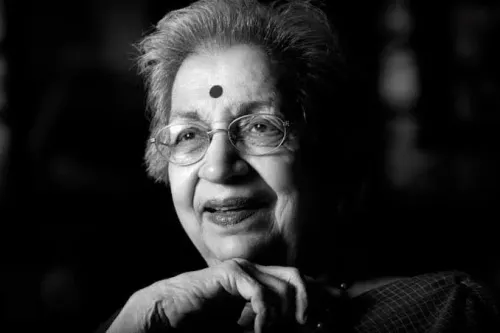
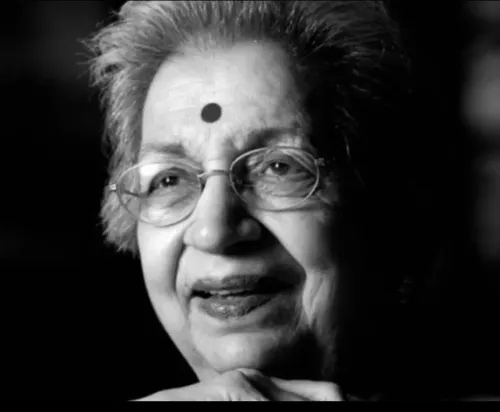
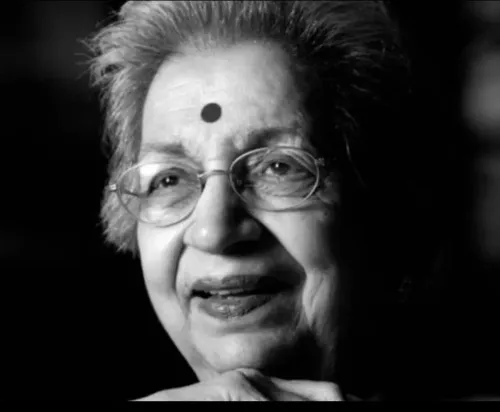
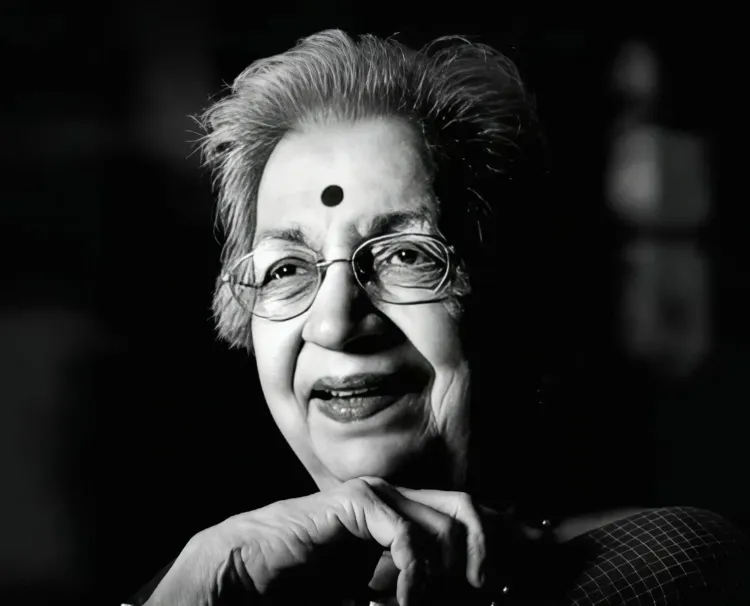
Congress leader Rahul Gandhi, Leader of the Opposition in the Lok Sabha, on Wednesday, 1 July 2026, expressed grief over the passing of celebrated theatre director, actor and filmmaker Vijaya Mehta, describing her as a pioneering figure whose work left an indelible mark on India's artistic landscape.
Context
In his post on X, Gandhi said he was 'saddened by the passing of renowned theatre director, actor and filmmaker Vijaya Mehta ji.' He extended his 'heartfelt condolences to her family, friends, students and admirers, in this hour of grief.' The tribute acknowledged her 'pioneering contribution to Marathi theatre and Indian cinema' and the generations of artists she inspired.
Vijaya Mehta was one of the most consequential figures in twentieth-century Indian performing arts. Her work in Marathi theatre — often referred to as Marathi natak — helped establish a rigorous tradition of experimental and literary stagecraft that influenced practitioners far beyond Maharashtra.
Policy Backdrop
Indian political leaders across the spectrum routinely issue public tributes when prominent artists pass away, reflecting a long-standing convention of acknowledging cultural contributions in national public discourse. Such statements serve to place regional artistic traditions — particularly Marathi theatre, which has historically been a nursery for Indian cinema — within the broader national conversation about heritage and identity.
The Marathi theatrical tradition has produced a disproportionate number of India's most respected directors, actors and screenwriters, and formal recognition by national political figures underscores its standing beyond regional boundaries.
Stakeholders and Impact
The passing of Vijaya Mehta is felt most acutely by the Marathi cultural community and the wider fraternity of theatre artists across India. Students and collaborators who trained under her or were shaped by her productions represent several generations of practitioners in both theatre and cinema.
Her contributions to Indian cinema added a dimension of literary and theatrical sensibility to a medium that has often been dominated by commercial imperatives. Cultural institutions and performing-arts bodies in Maharashtra and at the national level are expected to deliberate on appropriate memorials or honours in her name.
What's Next
Tributes from other national and state-level political leaders, as well as from Maharashtra's cultural bodies, are anticipated in the coming days. Announcements regarding commemorative events, retrospectives of her theatrical and cinematic work, or institutional honours may follow as the arts community processes the loss of one of its most formative voices.
Point of View
Such acknowledgements carry weight beyond mere ceremony. The tribute is unlikely to generate political controversy but reinforces the Congress party's positioning as a custodian of India's plural cultural heritage.
NationPress
30 Sept 2026
Frequently Asked Questions
Who was Vijaya Mehta?
Vijaya Mehta was a renowned Indian theatre director, actor and filmmaker best known for her pioneering contributions to Marathi theatre and her influence on Indian cinema, where she shaped generations of artists.
Why did Rahul Gandhi post a tribute to Vijaya Mehta?
Rahul Gandhi, as Leader of the Opposition in Lok Sabha, posted a condolence message on 1 July 2026 to mourn her passing and acknowledge her lasting contribution to India's artistic landscape.
What was Vijaya Mehta's contribution to Marathi theatre?
Vijaya Mehta is credited with pioneering a tradition of rigorous, literary stagecraft in Marathi theatre — often called Marathi natak — that influenced directors, actors and screenwriters across India for several decades.
What happens after the passing of a major Indian cultural figure?
In India, the passing of prominent artists typically prompts tributes from political leaders across parties, followed by commemorative events, retrospectives, and potential institutional honours announced by cultural bodies at the state and national level.
Which political party does Rahul Gandhi belong to?
Rahul Gandhi is a Member of Parliament from Rae Bareli and the Leader of the Opposition in the Lok Sabha, representing the Indian National Congress party.