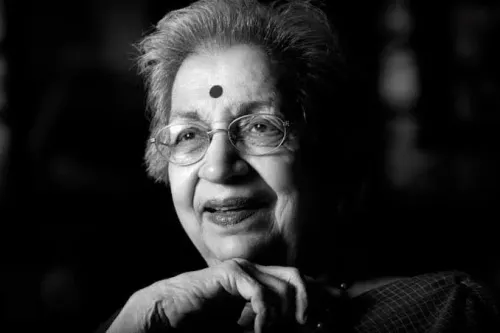
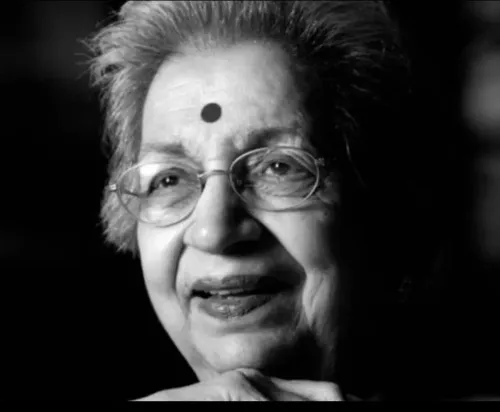
Nadda mourns Padma Shri Vijaya Mehta, Marathi theatre legend

Synopsis
Union Health Minister J. P. Nadda mourned the death of Padma Shri Vijaya Mehta on 1 July 2026, calling her passing 'extremely saddening' and honouring her landmark direction of Marathi plays including 'Wada Chirebandi', 'Madi', and 'Ek Shunya Bajirao'.
Key Takeaways
Nadda , Union Health Minister and BJP national president, issued a condolence statement on 1 July 2026 over the death of Padma Shri Vijaya Mehta.
Mehta was a celebrated Marathi theatre director and actress, recognised for plays including 'Wada Chirebandi' , 'Madi' , and 'Ek Shunya Bajirao' .
She was a recipient of the Padma Shri , India's fourth-highest civilian honour, awarded for distinguished contribution to the performing arts.
Nadda credited her with giving Marathi theatre 'a new dimension and a new artistic direction' through her direction of these landmark productions.
Her contributions spanned both Marathi theatre (rangbhoomi) and cinema, leaving an enduring cultural legacy.
Memorial responses from cultural institutions such as the Sangeet Natak Akademi and the Maharashtra state government are anticipated.
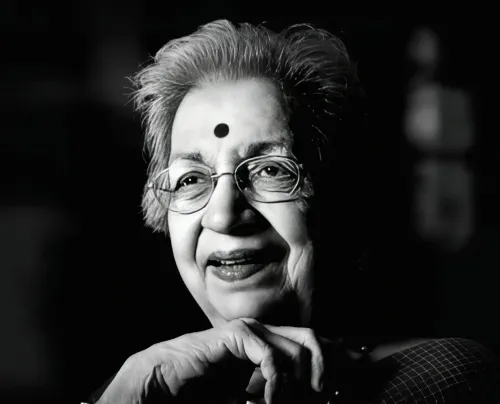
Union Health Minister and BJP national president J. P. Nadda on Wednesday, 1 July 2026, expressed deep grief over the passing of Padma Shri Vijaya Mehta, a towering figure of Marathi theatre who shaped the regional stage for decades as a director and actress.
Context
In his condolence message posted in Marathi, Nadda described the news of Mehta's death as 'extremely saddening' (अत्यंत दुःखद आहे). He specifically cited her direction of celebrated Marathi plays — 'Wada Chirebandi', 'Madi', and 'Ek Shunya Bajirao' — crediting her with giving Marathi theatre 'a new dimension and a new artistic direction.' He concluded with a prayer that the departed soul find peace and that her bereaved family and admirers be granted the strength to bear the loss.
Mehta was one of the most respected names in Marathi rangbhoomi, the Marathi-language theatre tradition that has produced some of India's most acclaimed stage productions. Her work spanned both theatre and cinema, earning her recognition that crossed regional boundaries.
Policy Backdrop
The Padma Shri, India's fourth-highest civilian honour, was conferred on Vijaya Mehta in recognition of her distinguished contribution to the performing arts. The award, instituted by the Government of India, is among the most prominent acknowledgements of excellence in arts and culture, and Mehta's receipt of it placed her among an elite group of artists who defined their respective disciplines.
Indian political leaders across party lines routinely issue public condolences on the deaths of senior artists, a practice that underscores the government's stated policy emphasis on preserving and honouring regional linguistic theatre traditions. Nadda's statement follows this established pattern while also reflecting his constitutional role as a senior Union minister.
Stakeholders and Impact
Mehta's passing is a significant loss for the Marathi cultural community, theatre practitioners, and audiences who followed her decades-long career. Productions such as 'Wada Chirebandi' are regarded as landmarks of modern Marathi theatre, studied and staged repeatedly across Maharashtra.
The broader Indian performing arts ecosystem, including bodies such as the Sangeet Natak Akademi — India's national academy for the performing arts — is expected to note her contribution formally. Marathi film and theatre industry voices are also likely to respond to the news.
What's Next
Cultural observers will watch for follow-up responses from the Maharashtra state government and central cultural institutions. Memorial events, retrospective screenings of her work, and tributes from the Marathi theatre fraternity are anticipated in the days ahead. The manner in which institutions honour her legacy will reflect the broader state of support for regional performing arts in India.
Point of View
Issued in Marathi rather than Hindi or English, is a deliberate cultural signal — it addresses the Marathi-speaking community in its own language at a moment of collective grief. The specific naming of three landmark productions elevates the statement beyond a routine condolence, positioning the BJP's national president as conversant with regional cultural heritage. This fits a broader pattern in which senior BJP leaders have sought to demonstrate cultural fluency in Maharashtra, a state of significant electoral importance. The tribute also implicitly reinforces the government's narrative around honouring Bharat Ratna and Padma awardees as custodians of national cultural identity.
NationPress
30 Sept 2026
Frequently Asked Questions
Who was Vijaya Mehta?
Vijaya Mehta was a veteran Marathi theatre director and actress, and a recipient of the Padma Shri, India's fourth-highest civilian honour. She is best known for directing landmark Marathi plays such as 'Wada Chirebandi', 'Madi', and 'Ek Shunya Bajirao', and is widely regarded as one of the most influential figures in modern Marathi theatre.
What did J. P. Nadda say about Vijaya Mehta?
J. P. Nadda described the news of Vijaya Mehta's passing as 'extremely saddening' and said her direction of celebrated Marathi plays gave the theatre 'a new dimension and a new artistic direction.' He prayed for peace for her soul and strength for her bereaved family and admirers.
What is the Padma Shri award?
The Padma Shri is India's fourth-highest civilian honour, awarded by the Government of India for distinguished service in fields including arts, literature, education, and public affairs. Vijaya Mehta received this recognition for her outstanding contribution to the performing arts.
What are Vijaya Mehta's most famous plays?
Among her most celebrated directorial works are 'Wada Chirebandi', 'Madi', and 'Ek Shunya Bajirao' — all landmark productions in the Marathi theatre tradition that are studied and staged widely across Maharashtra.
Why did J. P. Nadda post a tribute to Vijaya Mehta?
As Union Health Minister and BJP national president, Nadda issued the condolence in his capacity as a senior public figure acknowledging the loss of a nationally honoured artist. Indian political leaders across parties routinely pay tribute to Padma awardees and senior cultural figures upon their passing.