Rahul Gandhi vows relentless protest until Gyanesh Kumar resigns
Synopsis
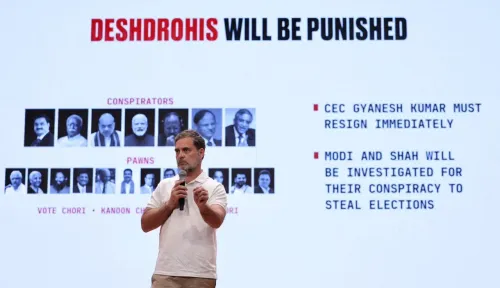
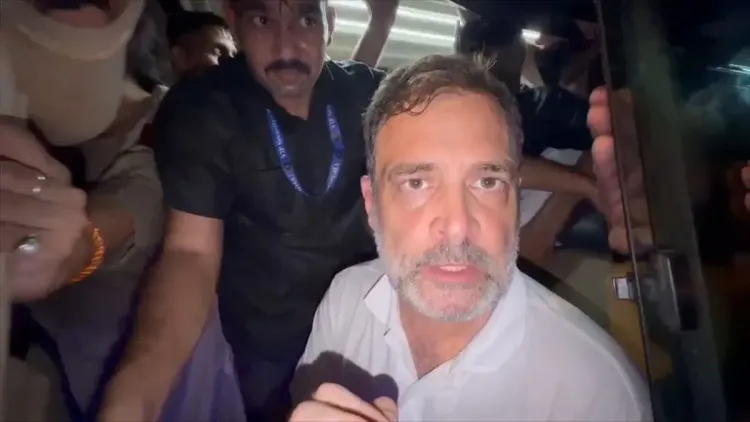
Congress leader Rahul Gandhi declared on October 7, 2026, that his party's protests will continue until Chief Election Commissioner Gyanesh Kumar resigns, framing the campaign as a fight to protect India's democratic and electoral integrity against the Modi government.
Key Takeaways
Congress leader Rahul Gandhi announced on October 7, 2026 that protests will not stop until CEC Gyanesh Kumar resigns.
Gandhi described the campaign as a fight to protect 'the most sacred thing in this country' — India's electoral process.
He directly named Prime Minister Narendra Modi and Home Minister Amit Shah , warning that no government action will halt the Opposition movement.
The dispute centres on the 2023 law that changed how the CEC is appointed, removing the Chief Justice of India from the selection panel.
Congress has consistently framed the Election Commission's independence as a defining democratic issue since the 2024 general elections .
Gandhi's absolute framing — resignation as the sole acceptable outcome — signals Congress intends sustained pressure with no negotiated exit.
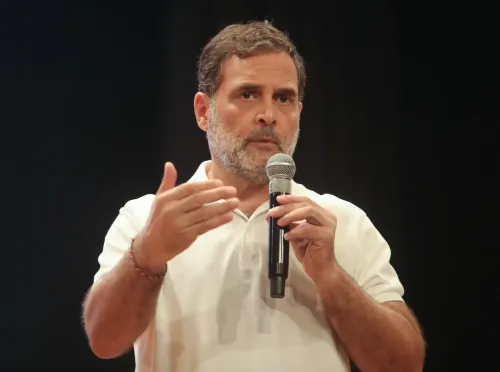
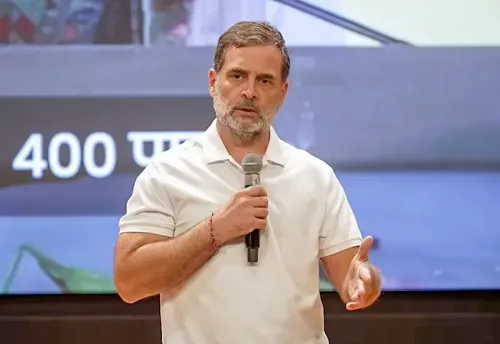
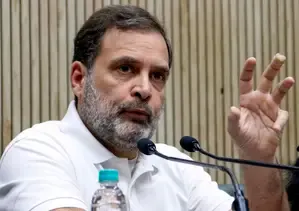
A line drawn in the sand — and Congress leader Rahul Gandhi is making sure everyone hears it. On Wednesday, October 7, 2026, the Leader of the Opposition in the Lok Sabha posted an unequivocal declaration on X: his party's protests against Chief Election Commissioner Gyanesh Kumar will not end until Kumar steps down.
Gandhi's post — blunt, brief, and addressed directly at the top of the government — frames the standoff as a constitutional battle rather than a routine political spat. 'This is a fight to protect the most sacred thing in this country,' he wrote, invoking the integrity of India's electoral process as the central stake.
Why Gyanesh Kumar is at the centre of the storm
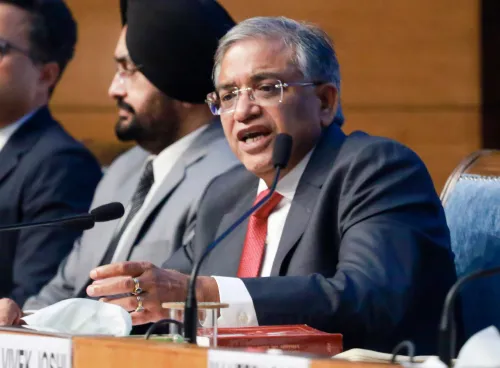
Gyanesh Kumar assumed charge as Chief Election Commissioner of India amid a politically charged atmosphere that has seen the Congress and several Opposition parties question the independence of the Election Commission of India (ECI). The Opposition's core concern is structural: under a 2023 law, the appointment of the CEC now rests with a committee in which the government holds a majority, removing the Chief Justice of India from the selection panel — a change the Supreme Court had flagged as a safeguard. Critics argue the current framework tilts the scales toward the ruling establishment in choosing the country's top electoral authority.
Gandhi and the Indian National Congress have consistently positioned the Election Commission's perceived neutrality — or the lack of it — as one of the defining democratic questions of this political era. By naming Narendra Modi and Amit Shah directly and declaring that nothing they do will halt the campaign, Gandhi is signalling that the Opposition intends to absorb political cost and keep the pressure public.
The protest posture: what 'we will not stop' actually means
The language is deliberately absolute. Gandhi does not hedge with conditions or a timeline — he presents resignation as the only acceptable outcome. That framing matters: it sets a high bar for the government to respond to, forces the issue onto the front pages, and tests whether street-level and parliamentary pressure can shift an institutional appointment that carries no straightforward recall mechanism.
The Congress MP from Rae Bareli has made the health of democratic institutions a signature theme since the 2024 general elections, folding it into a broader narrative about checks and balances eroding under a dominant executive. This post lands squarely in that arc — using the Election Commission as the sharpest available symbol of that argument.
Whether the protests find traction beyond Opposition ranks will depend on how the public weighs the gravitas of the charge against the government's counter-narrative. But Gandhi has made one thing unmistakable: Congress is betting the democratic-integrity argument has legs — and it is not looking for an off-ramp.
Point of View
Congress is deploying a maximalist posture designed to sustain media attention and rally Opposition unity around a single symbolic target. The 2023 appointment-law change gives the agitation a legal hook that goes beyond personality — it ties the grievance to a structural shift the Supreme Court itself had scrutinised. How effectively Congress converts this into durable public pressure, rather than an internal Opposition rallying cry, will determine whether the campaign reshapes the political conversation or fades as a partisan manoeuvre.
NationPress
7 Oct 2026
Frequently Asked Questions
Why is Rahul Gandhi demanding Gyanesh Kumar's resignation?
Rahul Gandhi and the Congress party allege that Chief Election Commissioner Gyanesh Kumar does not operate independently of the ruling government, calling his continuation in office a threat to free and fair elections in India.
Who is Gyanesh Kumar and what is his role?
Gyanesh Kumar is the Chief Election Commissioner of India, the constitutional head of the Election Commission responsible for overseeing all national and state elections.
What is the 2023 law that changed how the CEC is appointed?
A 2023 law replaced the earlier practice of including the Chief Justice of India in the CEC selection panel with a government-majority committee, which Opposition parties argue gives the ruling party undue influence over the appointment.
What did Rahul Gandhi post about the protest on October 7, 2026?
On October 7, 2026, Rahul Gandhi posted on X that Congress will not stop protesting until Gyanesh Kumar resigns and that neither Narendra Modi nor Amit Shah can prevent the campaign.
Can the Chief Election Commissioner be removed, and how?
The Chief Election Commissioner can be removed only through a process akin to the impeachment of a Supreme Court judge — requiring a special majority in Parliament — making a forced resignation through political pressure the Opposition's primary lever.