Rahul Gandhi Slams TMC's 'Reign of Terror' After Bengal Worker Killed
Synopsis
Congress worker Debdeep Chatterjee was allegedly beaten to death by TMC-linked miscreants in Asansol on April 24, just after West Bengal's first poll phase. Rahul Gandhi called it TMC's 'reign of terror', demanded immediate arrests — and no FIR has been filed yet, raising alarming questions about Bengal's law and order.
Key Takeaways
Debdeep Chatterjee , a Congress party worker from Asansol, West Bengal , was allegedly beaten to death on April 24, 2025 , by individuals linked to the TMC .
Rahul Gandhi condemned the killing on X , calling it evidence of TMC's "reign of terror" and demanded immediate arrests and compensation for the victim's family.
The Bengal Congress alleged that no FIR was registered in the case, citing "administrative apathy" by the state government.
Chatterjee was closely associated with Asansol North Congress candidate Prasenjit Puitandi and was killed shortly after the first phase of West Bengal elections .
West Bengal has a history of post-poll political violence ; after the 2021 elections , the Calcutta High Court had ordered a CBI probe into similar incidents.
The Indian National Congress vowed to continue raising its voice against political violence and fight for justice for all victims.
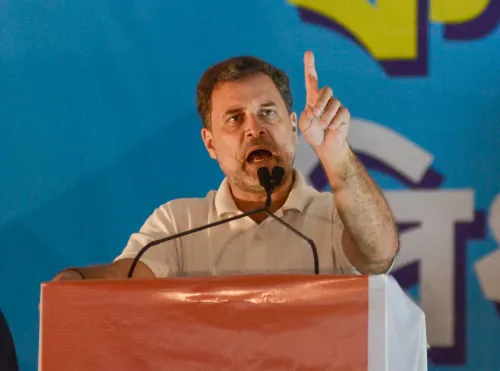
New Delhi, April 26: Rahul Gandhi, Leader of the Opposition in the Lok Sabha, on Sunday, April 26, sharply condemned the killing of Congress worker Debdeep Chatterjee in Asansol, West Bengal, accusing the Trinamool Congress (TMC) of running a "reign of terror" across the state. Chatterjee was allegedly beaten to death on April 24, shortly after the first phase of West Bengal Assembly elections, with the Congress party directly blaming TMC-affiliated miscreants for the brutal attack.
What Happened: Congress Worker Beaten to Death in Asansol
Debdeep Chatterjee, a Congress party worker closely associated with Asansol North Congress candidate Prasenjit Puitandi, was allegedly attacked and beaten by individuals linked to the All India Trinamool Congress on April 24 in Asansol. He later succumbed to his injuries, triggering widespread outrage within the Indian National Congress.
The incident occurred amid reports of post-poll violence following the first phase of West Bengal local body elections. The Bengal unit of Congress alleged that no FIR (First Information Report) was registered in connection with the killing, pointing to what it described as "administrative apathy" at the highest level.
Rahul Gandhi's Condemnation and Key Demands
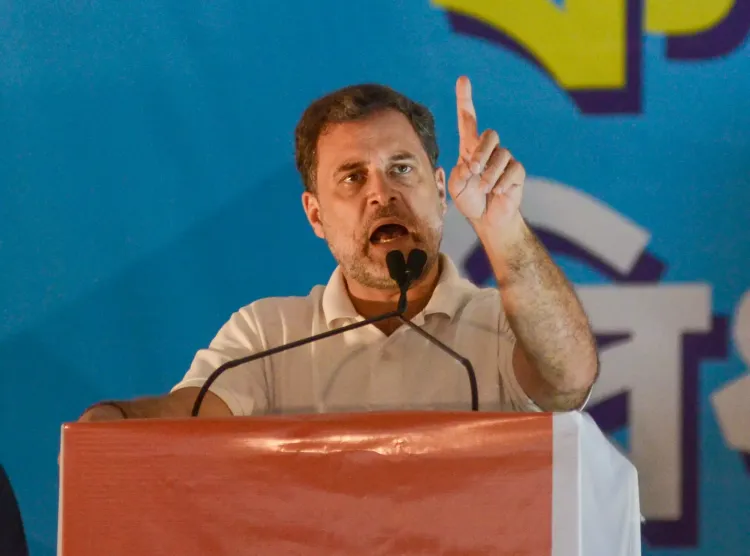
Posting on X (formerly Twitter), Rahul Gandhi called the murder "utterly reprehensible" and extended his condolences to Chatterjee's family. He stated: "In West Bengal today, it is not democracy but TMC's reign of terror that prevails. Intimidating, attacking, and eliminating opposing voices after votes are cast — this has become the defining character of TMC."
Gandhi also reaffirmed the Congress party's commitment to non-violence, stating: "Congress politics has never been based on violence, nor will it ever be. We, too, have lost our workers, yet we have always chosen the path of non-violence and the Constitution."
He outlined three specific demands: immediate arrest of all accused, the harshest possible punishment, and full security and financial compensation for Chatterjee's family.
Bengal Congress Raises Alarm Over Law and Order Collapse
The West Bengal Pradesh Congress Committee issued a strong statement on X, calling the killing evidence of a "complete collapse of law and order" in the state. The party said the timing of the attack — immediately after polling — exposed a "deeply disturbing pattern of political intimidation and vendetta" targeting opposition workers.
The absence of an FIR was flagged as particularly alarming, with the party warning that such administrative inaction emboldens political violence. "Democracy cannot survive in an atmosphere of fear and violence," the party declared, vowing to continue fighting for justice for every victim.
Pattern of Post-Poll Violence in West Bengal: A Recurring Crisis
This incident is far from isolated. West Bengal has a long and documented history of post-election political violence. Following the 2021 West Bengal Assembly elections, the National Human Rights Commission (NHRC) had flagged widespread violence, deaths, and displacement of political workers — primarily from the BJP and Congress — allegedly at the hands of TMC workers. The Calcutta High Court had even ordered a CBI probe into post-poll violence at the time.
Critics argue that the cycle of political violence in Bengal has been normalized over decades, with successive governments — whether the Left Front or the TMC — accused of using muscle power to suppress opposition. The killing of Debdeep Chatterjee fits into this grim pattern, raising questions about whether the state's law enforcement machinery remains structurally compromised during electoral cycles.
Broader Implications for Opposition Politics in Bengal
The killing underscores the dangerous ground opposition workers navigate in West Bengal. With the TMC firmly in power under Chief Minister Mamata Banerjee, smaller opposition parties like the Congress face an asymmetric political environment where violence against their cadre often goes unpunished. The lack of an FIR in Chatterjee's case amplifies fears of institutional capture.
For the Congress party, the incident also presents a political opportunity — to position itself as a defender of democratic norms and constitutional values against what it frames as TMC's authoritarian tendencies. Whether this translates into electoral momentum remains to be seen.
With more phases of elections expected, all eyes will be on whether West Bengal's administration takes cognisable action in the Debdeep Chatterjee murder case and whether the Election Commission of India intervenes to ensure the safety of opposition workers in the remaining polling phases.
Point of View
Where the machinery of the state is allegedly weaponised against the opposition. What makes this case particularly damning is the absence of an FIR, suggesting that impunity is not accidental but structural. Rahul Gandhi's sharp response is politically calibrated, but the underlying crisis — opposition workers being eliminated after votes are cast — demands scrutiny far beyond party lines. If the Election Commission and the judiciary do not intervene decisively, Bengal risks normalising electoral violence as a tool of governance.
NationPress
18 Sept 2026
Frequently Asked Questions
Who was Debdeep Chatterjee and how was he killed?
Debdeep Chatterjee was a Congress party worker from Asansol, West Bengal, closely associated with Asansol North Congress candidate Prasenjit Puitandi. He was allegedly beaten to death on April 24, 2025, by miscreants linked to the Trinamool Congress, shortly after the first phase of West Bengal elections.
What did Rahul Gandhi say about the Bengal Congress worker's murder?
Rahul Gandhi condemned the killing as 'utterly reprehensible' and accused TMC of running a 'reign of terror' in West Bengal. He demanded the immediate arrest of all accused, the harshest punishment, and full security and compensation for the victim's family.
Has an FIR been filed in the Debdeep Chatterjee murder case?
According to the Bengal Congress, no FIR had been registered as of April 26, 2025, in connection with Debdeep Chatterjee's killing. The party called this a sign of 'administrative apathy' and demanded urgent police action.
Is post-poll violence common in West Bengal?
Yes, West Bengal has a documented history of post-election political violence. After the 2021 Assembly elections, the NHRC flagged widespread violence and the Calcutta High Court ordered a CBI probe into attacks on opposition workers allegedly carried out by TMC supporters.
What action has the Congress party demanded in the Asansol killing case?
The Indian National Congress has demanded the immediate arrest of all persons responsible for Debdeep Chatterjee's death, the harshest legal punishment, and full security and financial compensation for his family. The party has also called on authorities to register an FIR without further delay.