Rahul Gandhi Thanks Crowds for 'Vote Chori' Protest Turnout
Synopsis
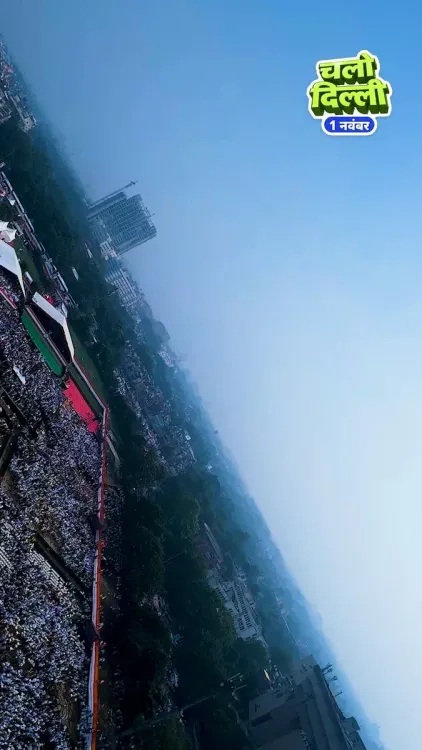
Congress leader Rahul Gandhi thanked supporters for joining 'Vote Chori' protests in record numbers on November 1, 2026, declaring that the groundswell of public mobilisation proves democracy and the INDIA alliance will prevail against alleged electoral fraud.
Key Takeaways
Rahul Gandhi, Leader of the Opposition in Lok Sabha , thanked protesters for record turnout at 'Vote Chori' demonstrations on November 1, 2026 .
The term 'Vote Chori' (vote theft) is the opposition's campaign label for alleged electoral irregularities involving EVMs .
Opposition concerns over EVM reliability date to the 2019 Lok Sabha elections , with the Supreme Court hearing related petitions in 2023–2024 .
The INDIA alliance , formed in 2023 , has made electoral transparency a central plank of its anti-NDA platform.
Gandhi's message frames large public turnout as democratic validation — a recurring opposition strategy to legitimise the EVM debate.
Attention now shifts to the Election Commission of India and Parliament for any formal response to renewed reform demands.
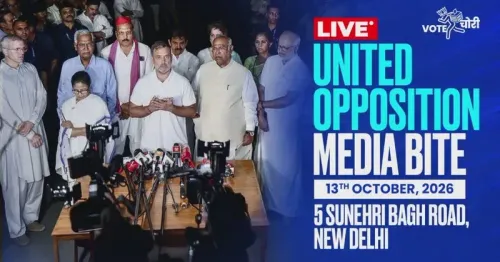
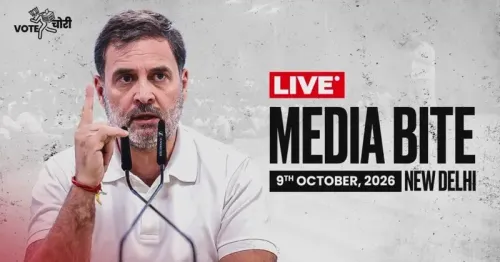
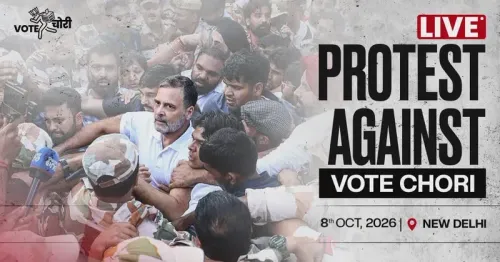
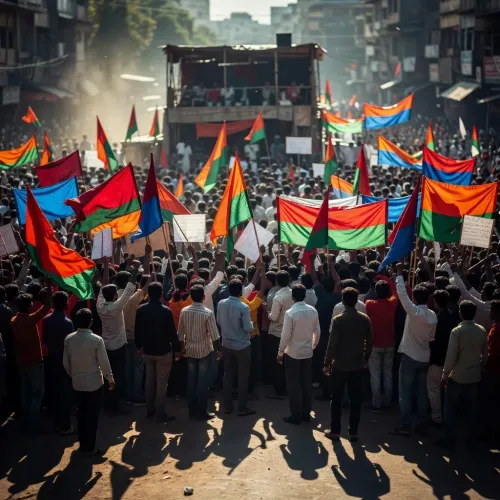
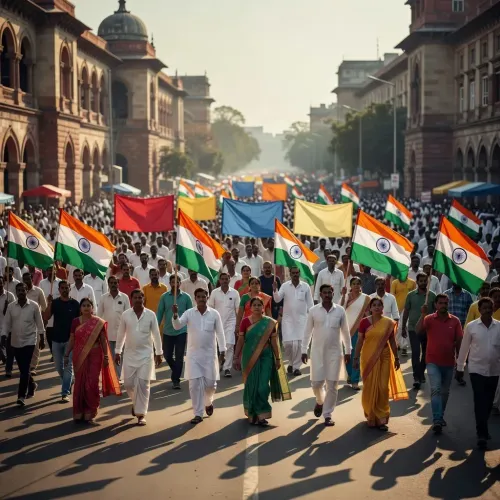
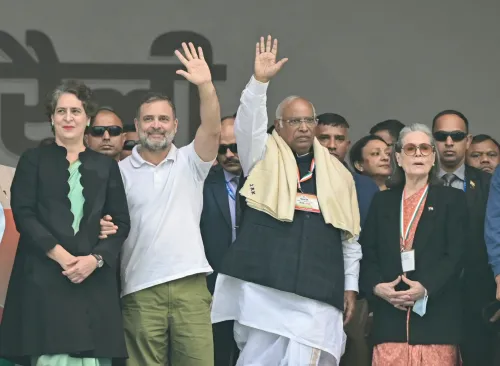
A mass public mobilisation against what the opposition calls 'Vote Chori' — electoral fraud — drew what Congress leader Rahul Gandhi described as record numbers, prompting the Leader of the Opposition in Lok Sabha to post a message of gratitude and defiance on Sunday, November 1, 2026.
What 'Vote Chori' means — and why it keeps coming back
The phrase 'Vote Chori' — literally 'vote theft' — has become a rallying cry for the INDIA alliance, the broad opposition coalition assembled in 2023 to counter the ruling NDA. It encapsulates a recurring charge levelled by opposition parties: that India's electronic voting infrastructure lacks the transparency needed to guarantee tamper-proof results.
The concerns are not new. Doubts over Electronic Voting Machine (EVM) reliability surfaced prominently after the 2019 Lok Sabha elections, and the issue reached the judiciary when the Supreme Court heard multiple petitions on EVM-VVPAT verification processes through 2023 and 2024. Those cases kept the debate alive in courtrooms and on the campaign trail alike.
Gandhi's message: democracy, truth, and a united INDIA
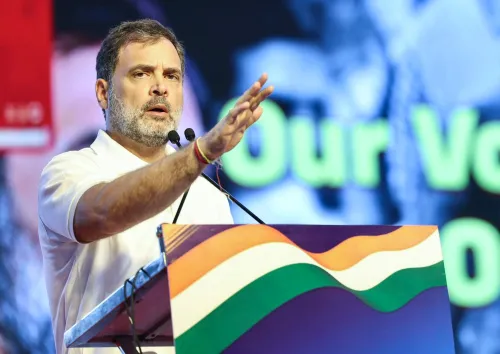
In his post, Gandhi wrote: 'Thank you for turning out in such record numbers to raise your voice against Vote Chori. This groundswell ensures democracy will prevail, truth will prevail. INDIA will prevail!' The capitalised 'INDIA' carries a deliberate double meaning — the nation and the opposition alliance share the name, a rhetorical move the bloc has leaned into since its formation.
The tone is unambiguously triumphant. Gandhi frames the turnout not merely as a protest event but as proof of democratic resilience — a narrative the opposition has consistently deployed to argue that public pressure, not litigation alone, is the engine of electoral accountability.
The pattern: mobilisation as pressure valve
Indian opposition parties have repeatedly used street-level campaigns on electoral integrity to keep the issue on the national agenda, particularly in the aftermath of state or general elections. The strategy treats mass turnout as evidence of legitimacy — the larger the crowd, the harder it is for the establishment to dismiss the grievance as a fringe concern.
What comes next will depend on whether the Election Commission of India responds to renewed demands for transparency, or whether the momentum feeds into parliamentary debates on electoral reform — a space where Gandhi, as Leader of the Opposition, holds formal standing to press the issue.
The streets have spoken in record numbers, Gandhi says. Now the question moves to the institutions that are supposed to listen.
Point of View
' he simultaneously energises the alliance base and repositions electoral integrity as a live, mainstream concern rather than a defeated legal argument. The 'Vote Chori' framing is also strategically durable: it works as opposition shorthand regardless of which specific election precedes it. Whether the campaign translates into concrete Electoral Commission or parliamentary action will test whether mass mobilisation alone can shift institutional behaviour on EVM transparency.
NationPress
1 Nov 2026
Frequently Asked Questions
What is 'Vote Chori' and why is the opposition raising it?
'Vote Chori' means 'vote theft' in Hindi and is the opposition's campaign phrase for alleged irregularities in India's electronic voting process. Opposition parties, led by the INDIA alliance, have questioned EVM reliability since the 2019 Lok Sabha elections and use the term to demand greater electoral transparency.
What did Rahul Gandhi say about the Vote Chori protests?
Rahul Gandhi thanked supporters for turning out in 'record numbers' and declared that the groundswell of public support ensures 'democracy will prevail, truth will prevail. INDIA will prevail!'
What is the INDIA alliance?
The INDIA alliance is a coalition of Indian opposition parties formed in 2023 to contest elections against the ruling NDA. It includes the Indian National Congress and several regional parties, with electoral reform among its key demands.
Has the Supreme Court addressed EVM concerns before?
Yes. The Supreme Court of India heard multiple petitions related to EVM-VVPAT verification processes during 2023 and 2024, keeping the debate over electronic voting transparency active at the judicial level.
What happens next after the Vote Chori protests?
Political observers will watch for any response from the Election Commission of India and whether Gandhi, as Leader of the Opposition in Lok Sabha, uses his parliamentary platform to push formal electoral reform legislation.