How is Indian Railways Ensuring Fertiliser Supply for Farmers?
Synopsis
As of November 30, Indian Railways has loaded 17,168 rakes of fertiliser, marking an 11.7% increase from last year. This vital support bolsters India's agricultural economy, ensuring timely supplies to farmers and enhancing food security. Discover how this initiative plays a pivotal role in sustaining rural livelihoods and stabilising farm incomes.
Key Takeaways
17,168 rakes of fertiliser loaded as of November 30.
11.7% growth compared to last year.
Railways prioritise fertiliser and food grain transport.
Supports rural livelihoods and food security .
Timely deliveries enhance crop productivity .
Rail transport is a greener alternative .
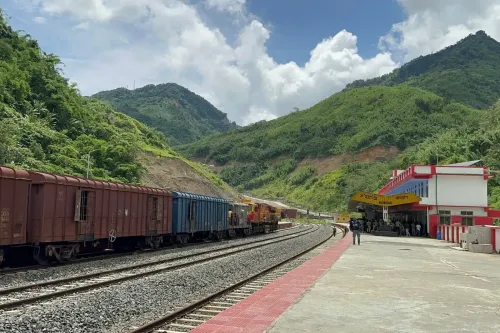
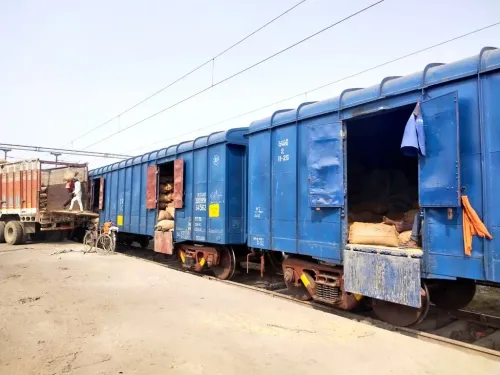
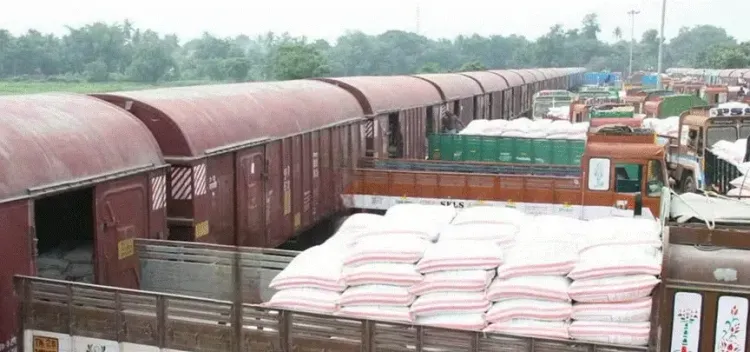
New Delhi, Dec 15 (NationPress) Demonstrating its commitment to bolstering India's agricultural sector, Indian Railways has successfully loaded 17,168 rakes of fertiliser as of November 30 this year, according to an official statement released on Monday.
This represents a 11.7% increase from last year’s 15,369 rakes during the same timeframe, underscoring the effective functioning of the railway network, as highlighted by the Railways Ministry.
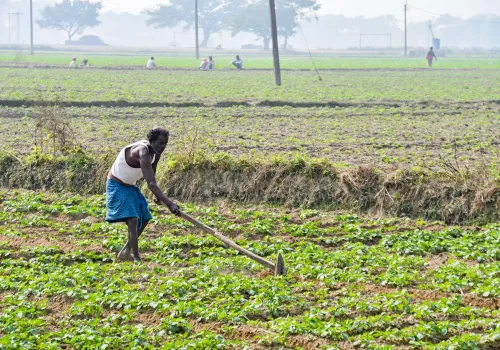
Recognising that agriculture is the backbone of India’s economy, the statement noted that timely access to fertilisers is crucial for farmers during sowing and harvesting seasons. Therefore, the railways have prioritised the movement of fertiliser and food grain trains.
This initiative has ensured a consistent supply to various states across the nation. By enhancing essential freight services, the Railways is aiding millions of farmers.
The ministry's statement elaborated, "This support extends to rural livelihoods, food security, and overall economic stability. Such performance underscores Indian Railways’ dedication to nation-building and its vital role in facilitating India’s agricultural supply chain."
Indian Railways plays an integral role in ensuring the prompt availability of fertilisers nationwide by providing reliable, large-scale, and efficient transportation. Through the prioritisation of fertiliser rakes, the railways ensure uninterrupted supplies to farmers, allowing them to conduct agricultural operations without delays.
Timely deliveries bolster crop productivity, stabilise farm incomes, and enhance food security. Additionally, rail transport contributes to reducing carbon emissions, alleviating highway congestion, and delivering a more sustainable logistics solution, according to government insights.
Previously, the government reported that freight loading rose from 1,233 million tonnes (MT) in 2020-21 to 1,617 MT in 2024-25, establishing Indian Railways as the second-largest freight carrier globally.
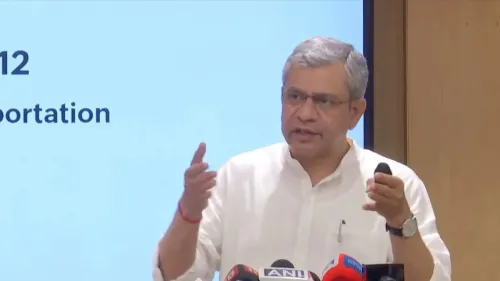
To maintain competitive freight rates, the railway tariffs have remained unchanged since 2018, despite rising input costs over the years, stated Railways Minister Ashwini Vaishnaw.
"Passenger fares have been rationalised from July 1, 2025, following a hiatus of over five years. The fare increase is minimal, fluctuating between half a paise per km to two paise per km for premium classes," Vaishnaw added in his responses to inquiries in the Lok Sabha.
Point of View
It is imperative to recognize that robust support for India's agricultural sector is essential for national prosperity. The Indian Railways’ commitment to ensuring timely fertiliser supplies reflects a strategic focus on enhancing rural livelihoods and securing food resources, which is crucial for the country's economic stability.
NationPress
19 Sept 2026
Frequently Asked Questions
What is the current fertiliser loading status of Indian Railways?
Indian Railways has loaded 17,168 rakes of fertiliser as of November 30 this year, marking an 11.7% increase from the previous year.
How does Indian Railways support farmers?
By prioritising the movement of fertiliser and food grain trains, Indian Railways ensures timely supplies to farmers, aiding in their agricultural activities.
What is the significance of fertiliser supply to farmers?
Timely fertiliser supply is critical for farmers as it directly impacts crop productivity, stabilises incomes, and contributes to overall food security.
What measures are in place to keep freight rates competitive?
Freight rates have not been revised since 2018, despite rising input costs, to maintain competitiveness in the logistics sector.
How does rail transport benefit the environment?
Rail transport reduces carbon emissions, eases highway congestion, and provides a greener logistics alternative, contributing to sustainable transportation.