Raj Thackeray on IIT-Bombay student death: Don't let caste politics derail education reform
Synopsis
Raj Thackeray's response to the IIT-Bombay student suicide is less a condolence and more a structural intervention — he named the pattern: political actors using caste and religion to deflect from decades of commercialised education failure. His appeal to the 'Gen Z movement' to stay on systemic ground, not identity terrain, is the sharpest challenge yet to those trying to reframe the crisis.
Key Takeaways
Sahil Wakode , a 20-year-old BTech student at IIT Bombay , died by suicide on 18 September .
MNS chief Raj Thackeray condemned framing the tragedy through caste or religious lenses, calling it a distraction from systemic education failures.
Thackeray traced the rise of caste consciousness in Maharashtra's classrooms and workplaces to a trend he said has intensified since 2000 .
He argued that the commercialisation of education over the past 30 to 40 years has caused 'immense damage' to India's education system and demands radical change.
Thackeray appealed to the 'Gen Z movement' to stay focused on systemic reform and not be diverted by identity politics deployed by political actors.
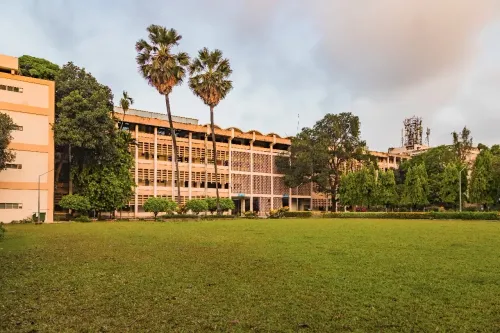
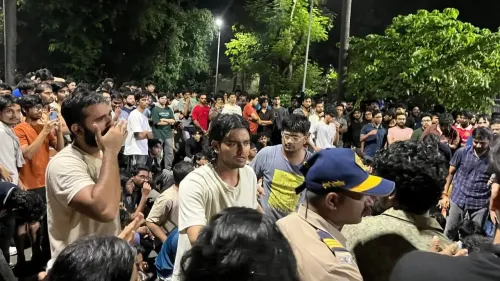
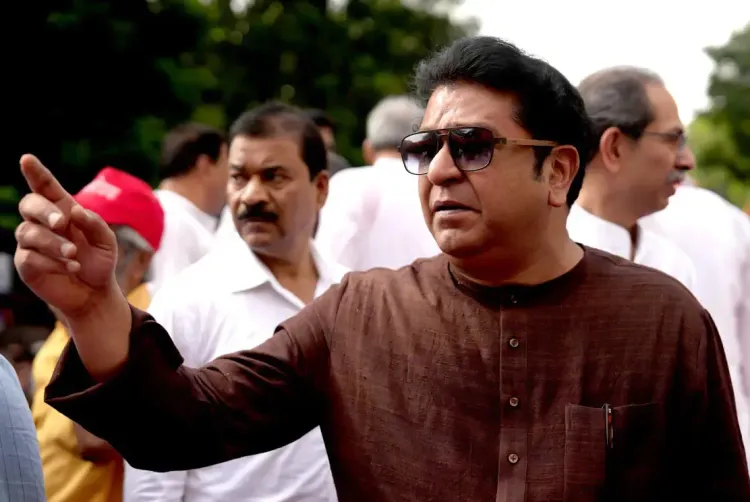
Maharashtra Navnirman Sena (MNS) chief Raj Thackeray on Wednesday, 23 September expressed deep anguish over the death of Sahil Wakode, a 20-year-old second-year BTech student at the Indian Institute of Technology (IIT) Bombay, while cautioning against the widening tendency to reduce every institutional tragedy to a caste or religious narrative. Thackeray warned that such framing diverts attention from fundamental failures in India's higher education architecture.
Wakode died by suicide on 18 September, triggering a fresh wave of debate on student mental health and academic pressure at elite institutions.
Thackeray's Warning on Caste Narratives
In a detailed post on social media platform X, Thackeray drew a careful distinction between accountability and prejudgment. He argued that while exam invigilators are duty-bound to enforce rules, publicly branding a deceased student as a wrongdoer before any official inquiry has concluded is deeply unjust. Equally, he said, labelling faculty as guilty solely on the basis of unverified claims undermines due process on the other side.
Thackeray pointed to a pattern he said has intensified since 2000 — a steady seepage of caste consciousness into classrooms and workplaces across Maharashtra. He lamented that even premier institutions that the late Prime Minister Jawaharlal Nehru once described as the 'temples of modern India' have become fertile ground for divisive identity politics.
The Systemic Pressure on Students
The MNS chief drew attention to the relentless competitive environment that students navigate — from hyper-competitive entrance examinations to crushing academic workloads and shrinking campus placement certainties. He argued this pervasive despair is not confined to engineering alone; it cuts across commerce, arts, and medical education as well.
Notably, Thackeray framed this not as a one-government problem but as a structural failure decades in the making. 'The issue is not about which specific government is in power. Over the past 30 to 40 years, in the pursuit of commercialising education, we have caused immense damage to the entire Indian education system; radical changes are needed to address this,' he said.
A Direct Appeal to Student Movements
Thackeray addressed student leaders and youth movements directly, urging them not to allow genuine reform campaigns to be captured by identity politics. He referenced what he called the recent 'Gen Z movement,' arguing it earned nationwide support precisely because it stayed focused on systemic solutions rather than community-based grievances.
'Just as it seemed that the recent Gen Z movement was marking the beginning of such a shift, this new incident has emerged. I urge the students to remember that your movement garnered nationwide support because it focused on finding solutions to systemic flaws. Your movement must continue along this same path. If it does, the government will be compelled to answer difficult questions and take concrete action,' he said.
He also issued a pointed warning about political intent: 'Does the government intend to do so? If yes, that is excellent; if not, they always have the potent weapons of caste and religion at their disposal.' He advised students directly: 'Do not get drawn into such distractions.'
Call for Structural Overhaul
Beyond the immediate controversy, Thackeray called for an urgent, structural overhaul of higher education — encompassing mental health infrastructure, fair academic practices, and verifiable accountability from institutions and governments alike. His appeal was explicit: the struggle for meaningful educational reform must not be lost to identity-based divisions that, critics argue, political actors routinely deploy to deflect from policy failures.
With student suicides at elite institutions continuing to draw national attention, the coming weeks will test whether policymakers respond to demands for systemic change or allow the discourse to fragment along caste and community lines.
Point of View
That caste and religion are tools governments reach for when systemic accountability becomes uncomfortable, is the kind of structural critique that rarely survives the news cycle. The deeper question is whether his appeal changes anything: student movements in India have historically struggled to stay on single-issue terrain when institutional identities are under simultaneous pressure. The IIT-Bombay case is the latest stress-test of that fragility, and his warning may be prescient even if it goes unheeded.
NationPress
23 Sept 2026
Frequently Asked Questions
Who was Sahil Wakode and what happened at IIT Bombay?
Sahil Wakode was a 20-year-old second-year BTech student at IIT Bombay who died by suicide on 18 September. His death has reignited a national debate on student mental health, academic pressure, and institutional accountability at India's premier engineering colleges.
What did Raj Thackeray say about the IIT Bombay student death?
MNS chief Raj Thackeray expressed deep sorrow over Wakode's death and, in a post on X, warned against branding the student or faculty as guilty before an official inquiry concludes. He cautioned that framing the tragedy through caste or religious identity distracts from deeper structural failures in India's education system.
Why does Thackeray argue caste politics is harmful in this context?
Thackeray contends that political actors routinely introduce caste and religious angles to deflect accountability from policy failures. He argues that once identity politics enter the conversation, systemic reform demands get sidelined — and that this pattern has worsened in Maharashtra since 2000.
What structural changes does Thackeray want in education?
Thackeray called for a radical overhaul of India's higher education system, citing 30 to 40 years of commercialisation as the root cause of student distress. He specifically demanded better mental health infrastructure, fair academic practices, and genuine government accountability — not short-term political posturing.
What is the Gen Z movement Thackeray referred to?
Thackeray referenced a recent student-led 'Gen Z movement' that he said gained nationwide support by focusing on systemic flaws rather than identity grievances. He urged student leaders to continue on that path so that the government is held to concrete action on educational reform.