IIT Bombay student death: Sacking professors a 'band-aid', says Priyanka Chaturvedi
Synopsis
Shiv Sena (UBT) leader Priyanka Chaturvedi has called out IIT Bombay's institutional response to student Sahil Wakode's death — warning that sacking professors to quell protests is cosmetic surgery on a wound that runs far deeper. With an SC/ST Atrocities Act complaint filed, 18 student demands unmet, and no mental health reform announced, the crisis at one of India's most prestigious campuses is far from over.
Key Takeaways
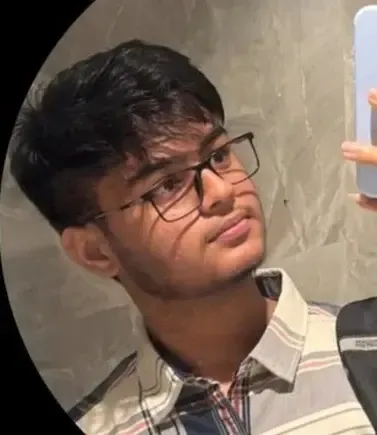
Sahil Wakode , a second-year student at IIT Bombay , was found dead on the Powai campus on 18 September , hours after being caught using a mobile phone during an exam.
Shiv Sena (UBT) leader Priyanka Chaturvedi called the reported sacking of professors a ‘band-aid solution’ and cautioned against framing the incident solely as caste discrimination.
Mumbai Police registered a case against teacher Satyanarayan Dalla ; complaints were also filed under the Bharatiya Nyaya Sanhita, 2023 and the SC/ST (Prevention of Atrocities) Act .
Protesting students submitted 18 demands , including mandatory mental health workshops for faculty and resignations of key administrative officials.
No independent inquiry into IIT Bombay's campus environment or mental health infrastructure has been announced as of 21 September .
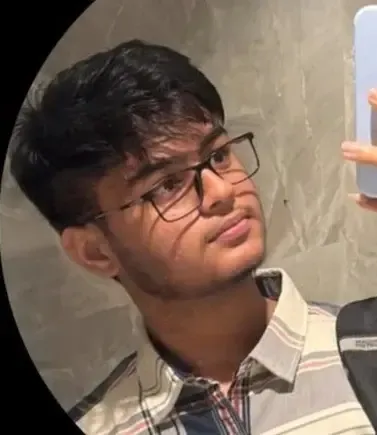
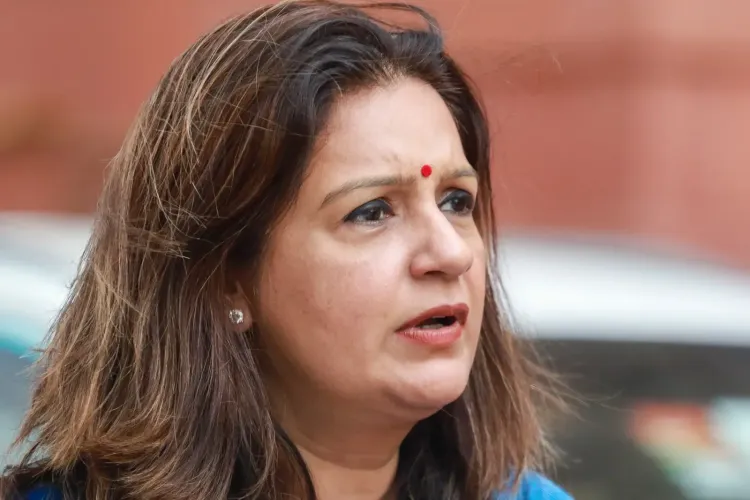
Shiv Sena (UBT) leader Priyanka Chaturvedi on Monday, 21 September sharply criticised the institutional response to protests at IIT Bombay following the death of second-year student Sahil Wakode, calling the reported dismissal of professors a “band-aid solution” to a far deeper problem. Wakode, a resident of Yavatmal district, Maharashtra, was found dead on the Powai campus on 18 September — hours after he was allegedly caught using a mobile phone during an examination.
What Chaturvedi Said
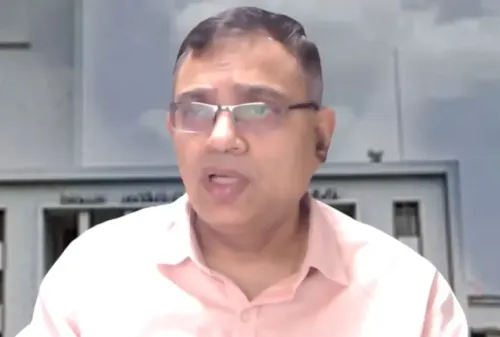
Posting on X, Chaturvedi wrote: “While the death of the IIT Bombay student is extremely unfortunate and yet another reminder that these premier institutions need to work on the campus environment and mental health but to sack the professors to end the protests is just a band-aid solution to a problem that needs surgery.”
She added: “Also, shifting the blame on the professors who were doing their job of reporting copying during an exam and making it about caste discrimination is a sad outcome.” Her remarks drew attention to the broader question of whether administrative action against individual faculty members addresses the systemic gaps in student mental health support at elite institutions.
The Incident and Its Aftermath
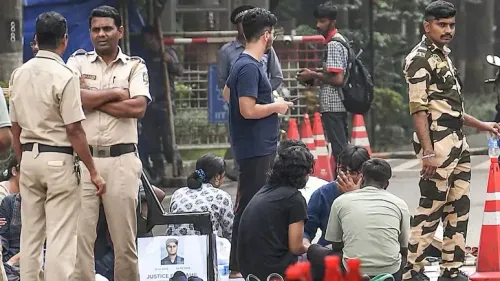
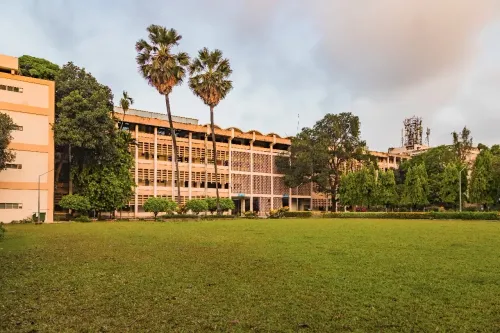
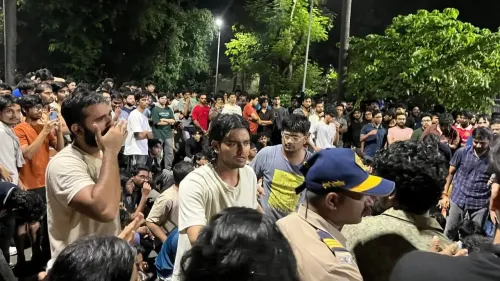
Wakode was pursuing his second year in the Department of Energy Science and Engineering at IIT Bombay. According to reports, the incident that preceded his death occurred after institute authorities found him using a mobile phone during an examination. He died a few hours later, triggering intense demonstrations at the campus gates in Powai, Mumbai.
Protesters submitted a list of 18 demands, including the resignation of key administrative officials, mandatory mental health workshops for faculty members, and the immediate removal of professors reportedly linked to the incident. The scale of the unrest reflects longstanding concerns about academic pressure and institutional accountability at premier engineering campuses.
Legal Action Against Faculty and Officials
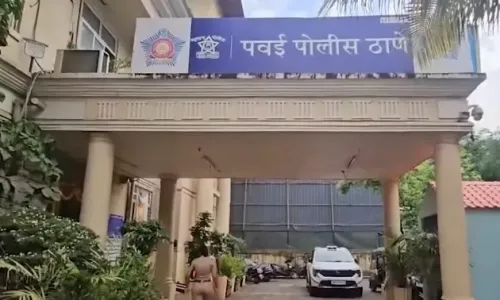
Following the protests, Mumbai Police on Saturday confirmed that a case had been registered against teacher Satyanarayan Dalla. A complaint was also filed against faculty members, senior officials, and other authorities of IIT Bombay under provisions of the Bharatiya Nyaya Sanhita, 2023, as well as the Scheduled Castes and Scheduled Tribes (Prevention of Atrocities) Act, according to officials.
The invocation of the SC/ST Atrocities Act has added a caste-discrimination dimension to the case, intensifying public and political scrutiny of the institution's handling of both the examination incident and the subsequent protests.
Wider Questions on Campus Mental Health
Chaturvedi's intervention underscores a recurring concern: that India's premier technical institutions — under intense academic pressure and competitive culture — have been slow to build robust mental health infrastructure. This is not an isolated incident; student deaths on IIT campuses have prompted periodic calls for reform, though systemic change has remained elusive. Notably, no independent inquiry into campus environment or mental health protocols has been announced by IIT Bombay's administration as of this report.
With legal proceedings underway and student demands still largely unaddressed, the pressure on IIT Bombay's administration to outline a credible, long-term response is set to intensify in the coming days.
Point of View
When both concerns deserve independent, credible examination. What is conspicuously absent from IIT Bombay's response so far is any commitment to structural reform: no independent review, no mental health audit, no timeline for addressing the 18 student demands. Until that gap is filled, political pressure will keep rising, and the institution's credibility with its own students will keep eroding.
NationPress
21 Sept 2026
Frequently Asked Questions
Who was Sahil Wakode and how did he die?
Sahil Wakode was a second-year student in the Department of Energy Science and Engineering at IIT Bombay, from Yavatmal district, Maharashtra. He was found dead on the Powai campus on 18 September, reportedly a few hours after being caught using a mobile phone during an examination.
Why did Priyanka Chaturvedi criticise IIT Bombay's response?
Shiv Sena (UBT) leader Priyanka Chaturvedi argued that sacking professors to end protests is a superficial fix to a deeper systemic problem of campus environment and student mental health. She also warned against reducing the incident entirely to caste discrimination when the professors were reportedly performing a standard exam-conduct duty.
What legal action has been taken so far?
Mumbai Police registered a case against teacher Satyanarayan Dalla after the student's death. Complaints were also filed against faculty members and senior IIT Bombay officials under the Bharatiya Nyaya Sanhita, 2023, and the Scheduled Castes and Scheduled Tribes (Prevention of Atrocities) Act.
What are the student protesters demanding?
Protesters submitted 18 demands, including the resignation of key administrative officials, mandatory mental health workshops for faculty, and the immediate removal of professors allegedly involved in the incident that preceded Wakode's death.
What broader issue does this case highlight?
The case has renewed attention on the adequacy of mental health support systems at India's premier IITs, where intense academic pressure and competitive culture have been linked to student distress. Critics argue that institutional responses have historically been reactive rather than structural.