Rajasthan CM Bhajanlal Directs Officials to End Citizens' Bureaucratic Runaround
Synopsis
Chief Minister Bhajanlal Sharma has publicly directed Rajasthan state officials to stop forcing citizens into unnecessary office visits and to listen to every person respectfully — a pointed signal toward bureaucratic accountability under the hashtag 'Our Leading Rajasthan'.
Key Takeaways
Bhajanlal Sharma , Rajasthan CM since December 2023 , issued a public directive to state officials on 30 October 2026 .
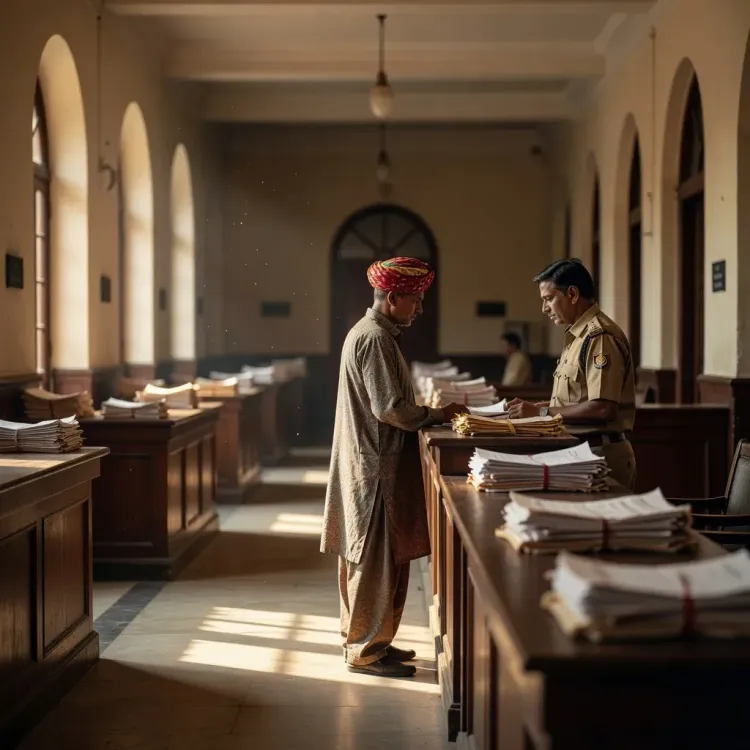
Officials are instructed to eliminate unnecessary rounds citizens must make to government offices for routine work.
The directive also mandates that every individual's concern be heard respectfully — addressing both process and attitude.
The message was posted by the Chief Minister's Office's official X account under the hashtag #आपणो_अग्रणी_राजस्थान ('Our Leading Rajasthan').
The instruction aligns with a national trend of state governments pushing citizen-friendly, single-window administration models.
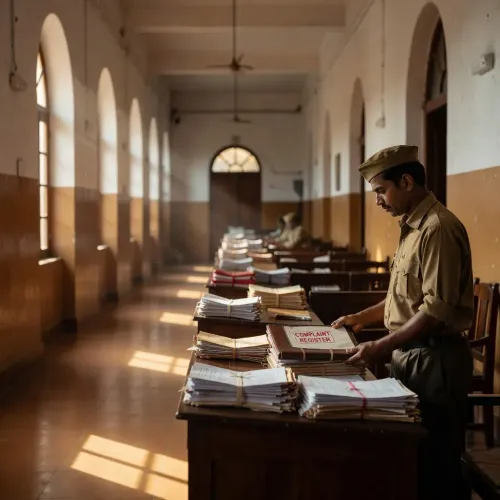
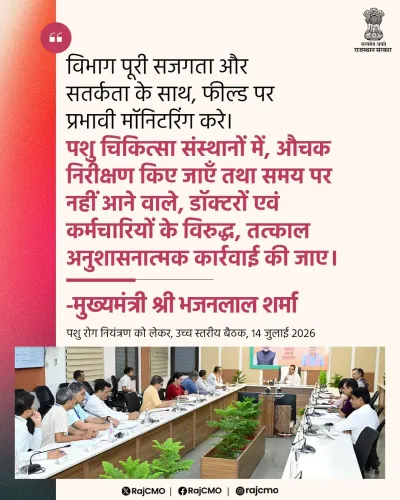
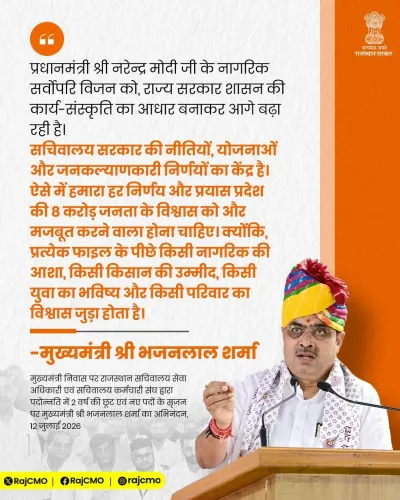
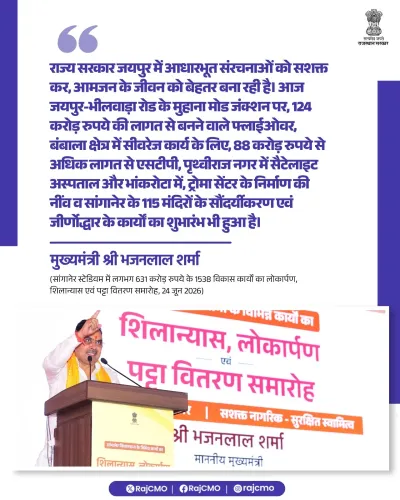
A sharp instruction from the top — and a clear signal that Rajasthan's administration is being put on notice. The Chief Minister's Office of Rajasthan posted on X on Friday, 30 October 2026, carrying a directive attributed to Chief Minister Bhajanlal Sharma: state officials must build a work culture where citizens are not made to run unnecessary rounds of government offices, and where every person's concern is heard with respect.
The post, tagged under the hashtag #आपणो_अग्रणी_राजस्थान ('Our Leading Rajasthan'), quotes the CM's message directly: 'अधिकारी ऐसी कार्यसंस्कृति विकसित करें, जिसमें लोगों को अपने काम के लिए, अनावश्यक चक्कर नहीं लगाने पड़ें और प्रत्येक व्यक्ति की बात सम्मानपूर्वक सुनी जाए।' In plain terms: 'Officials must develop such a work culture that people do not have to make unnecessary rounds for their work, and every individual is listened to respectfully.'What Sharma is Demanding from the Bureaucracy
The instruction cuts to the most persistent complaint ordinary citizens lodge against the state machinery — the exhausting cycle of multiple visits, unhelpful counters, and a sense of being ignored. Bhajanlal Sharma, who became Chief Minister in December 2023 after the BJP's win in Rajasthan, has consistently framed his governance agenda around accessible, responsive administration.
The two pillars of Friday's directive are worth separating. First, procedural efficiency — eliminating the culture of sending people away on trivial pretexts or incomplete processing. Second, and arguably harder to legislate, basic dignity — the instruction that every person 'be listened to respectfully' is an acknowledgement that courteous treatment inside a government office cannot be taken for granted.
A Pattern Bigger Than One Post
Indian state governments periodically push such citizen-friendly administration drives, and Rajasthan is no exception to the broader national trend. The central government's push for simplified service delivery — from digital grievance portals to single-window clearances — has set expectations that state bureaucracies are increasingly being measured against.
What gives this message weight is the platform and the sender: a directive from the CMO, publicly tagged to the Chief Minister himself, puts the instruction on record and creates visible accountability. Officials know these posts are read — and clipped. The question now is whether departmental circulars and training programmes follow to embed the instruction in daily practice, or whether it remains an aspirational broadcast.
Point of View
However, lies downstream: such messaging has limited durability without follow-up circulars, performance metrics, or grievance-tracking systems that give citizens a mechanism to report non-compliance. Historically, similar directives in Indian states have produced short-term behaviour changes at the district level, fading without institutional reinforcement.
NationPress
30 Oct 2026
Frequently Asked Questions
What did Rajasthan CM Bhajanlal Sharma say to officials on 30 October 2026?
CM Bhajanlal Sharma directed officials to build a work culture where citizens do not have to make unnecessary visits to government offices and where every person's concern is listened to respectfully.
Who is Bhajanlal Sharma and when did he become Rajasthan CM?
Bhajanlal Sharma is the Chief Minister of Rajasthan representing the BJP. He assumed office in December 2023 after the party's victory in the Rajasthan assembly elections.
What does the hashtag 'Aapno Agrani Rajasthan' mean?
The hashtag #आपणो_अग्रणी_राजस्थान translates from Rajasthani/Hindi as 'Our Leading Rajasthan', used by the Rajasthan government to brand its development and governance initiatives.
How can Rajasthan citizens complain if officials do not follow these instructions?
The CMO's directive does not specify a new mechanism. Citizens can currently approach the Rajasthan Sampark portal or district grievance cells, though the post does not reference any specific new channel.
Is Rajasthan introducing a new scheme to reduce bureaucratic delays?
No specific scheme was announced in this directive. The message is an administrative instruction from CM Bhajanlal Sharma calling for a change in work culture among state officials.