Rajasthan CMO Celebrates State's Cultural Legacy Under Bhajanlal
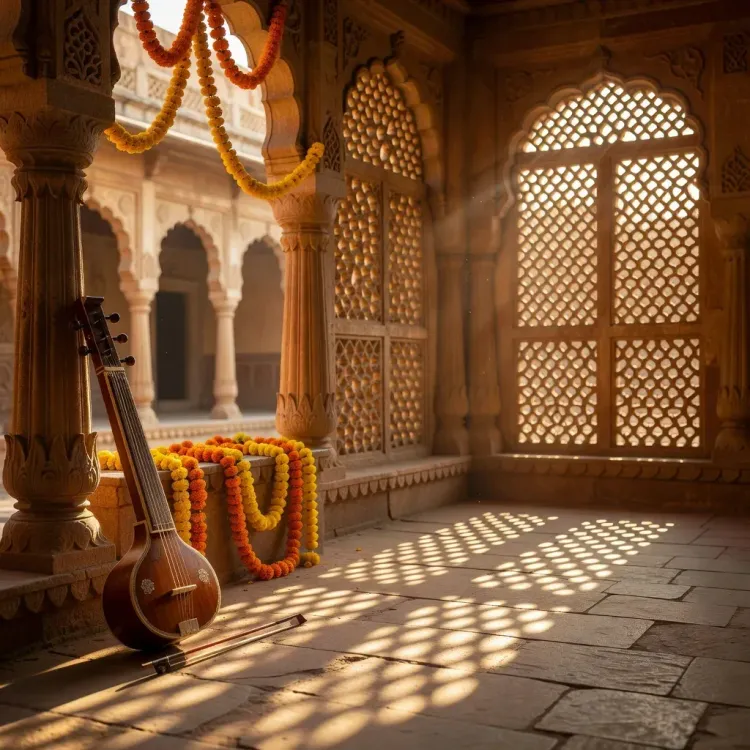
Synopsis
The Chief Minister's Office of Rajasthan praised the state on 20 November 2026 as an unparalleled land of art, literature, music, and spirituality, tagging CM Bhajan Lal Sharma and invoking the 'Aapno Agrani Rajasthan' vision.
Key Takeaways
The Rajasthan CMO posted on 20 November 2026 celebrating the state's cultural and spiritual heritage.
The post names art, literature, music, spirituality, folk life, and cultural splendour as defining features of Rajasthan alongside valour.
CM Bhajan Lal Sharma (BJP) was tagged, associating the message with his administration's identity.
The hashtag #आपणो_अग्रणी_राजस्थान ('Our Pioneering Rajasthan') frames heritage within a forward-looking state brand.
Official cultural messaging from Indian state governments increasingly serves dual roles: building civic pride and promoting tourism.
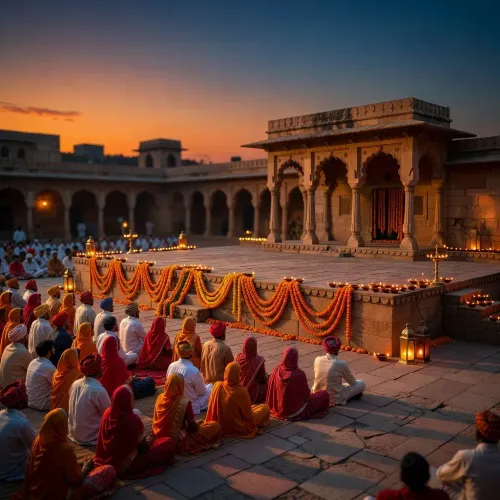
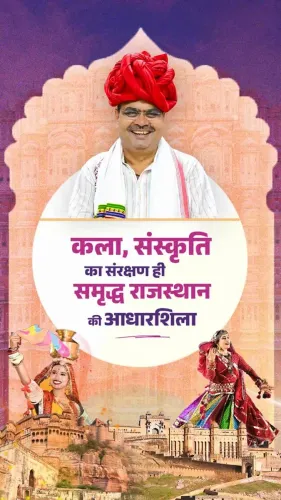
Beyond its tales of sword and sacrifice, Rajasthan holds an equally magnificent identity — one woven from folk music, devotional poetry, spiritual traditions, and the vivid colours of everyday rural life. On Friday, 20 November 2026, the Chief Minister's Office of Rajasthan posted a tribute to this layered heritage on X, invoking the state as 'kala, sahitya, sangeet, adhyatm, lokjeevan aur saanskritik vaibhav ki anupm dhara' — 'an unparalleled land of art, literature, music, spirituality, folk life, and cultural splendour.'
A land where valour and verse coexist
The post, tagged to Chief Minister Bhajan Lal Sharma and carrying the hashtag #आपणो_अग्रणी_राजस्थान ('Our Pioneering Rajasthan'), places bravery and artistic richness on equal footing — a framing that reflects how the state has long defined itself. Rajasthan's Rajput warrior tradition and its centuries-old traditions of miniature painting, Mewar folk songs, Sufi shrines, and desert festivals are not separate stories; they are chapters in the same identity.
Bhajan Lal Sharma, who assumed office as Chief Minister in December 2023 under the Bharatiya Janata Party, has consistently used official communications to reinforce a vision of Rajasthan as a state proud of its civilisational depth. This post continues that thread, casting the land itself — 'Rajasthan ki dharti' — as the protagonist, not just its rulers or policies.
Soft power as state strategy
Chief Minister offices across India have increasingly used social media to project cultural identity as a form of soft power — building pride at home while signalling heritage value to investors and tourists from outside. Rajasthan, with one of India's most recognisable tourism brands, has particular incentive to keep its cultural narrative alive and vivid in public discourse.
The hashtag 'Aapno Agrani Rajasthan' — 'Our Pioneering Rajasthan' — frames the state not as a museum of the past but as a leader moving forward, suggesting the cultural messaging is tied to a broader aspiration of modern progress rooted in tradition.
Rajasthan's folk heritage — from the Kalbeliya dance and Manganiyar music of the Thar Desert to the ghazals of its Sufi dargahs and the vibrant craft clusters of Jaipur, Jodhpur, and Barmer — represents both a living tradition and an economic asset. When an official handle speaks of this heritage, it is rarely only poetry; it is also positioning.
Point of View
Heritage conservation, or state-identity campaigns. By explicitly pairing Rajasthan's martial history with its arts and spirituality, the Bhajan Lal Sharma administration is building a composite brand that appeals to multiple voter and investor segments at once. The 'Aapno Agrani Rajasthan' framing is notably aspirational, linking heritage to progress rather than nostalgia. Watch for this messaging to intensify around upcoming tourism seasons or cultural events in the state.
NationPress
20 Nov 2026
Frequently Asked Questions
What did the Rajasthan CMO post on 20 November 2026?
The Rajasthan Chief Minister's Office posted a tribute to the state's cultural identity, calling Rajasthan an unparalleled land of art, literature, music, spirituality, folk life, and cultural splendour, alongside its well-known legacy of valour and sacrifice.
Who is Bhajan Lal Sharma and why was he tagged?
Bhajan Lal Sharma is the Chief Minister of Rajasthan from the BJP, in office since December 2023. He was tagged in the post to associate the cultural message with his administration's vision for the state.
What does the hashtag #आपणो_अग्रणी_राजस्थान mean?
The hashtag translates to 'Our Pioneering Rajasthan' and is used to frame the state as a forward-moving leader rooted in its rich cultural and historical identity.
Why do Indian state governments emphasise cultural heritage on social media?
State governments use cultural messaging to build civic pride, strengthen regional identity, and promote tourism — all of which carry political and economic benefits, particularly for heritage-rich states like Rajasthan.
What cultural traditions is Rajasthan known for?
Rajasthan is celebrated for its Rajput martial history, miniature painting, Kalbeliya dance, Manganiyar and Langas folk music, Sufi shrine traditions, and handicraft clusters in cities such as Jaipur, Jodhpur, and Barmer.