Rajasthan CMO Directs Marketing Space for Artisans at Bikaner House, JKK
Synopsis
The Rajasthan CMO on 21 July 2026 directed CM Bhajanlal Sharma to allocate marketing space for local producers at Bikaner House in Delhi, Jawahar Kala Kendra in Jaipur, Rajasthan House in Navi Mumbai, and four other cities — building on six decades of state-backed artisan retail infrastructure.
Key Takeaways
The Chief Minister's Office of Rajasthan on 21 July 2026 directed CM Bhajanlal Sharma to provide marketing space for Rajasthani producers at government venues.
Locations named include Bikaner House (New Delhi) , Jawahar Kala Kendra (Jaipur) , and Rajasthan House (Navi Mumbai) .
Additional cities covered: Jodhpur, Kota, Udaipur, and Ajmer .
The initiative builds on institutional infrastructure dating to the Rajasthan Small Industries Corporation (1961) and the Rajasthan State Handloom Development Corporation (1980s) .
Key products likely to benefit include GI-tagged items such as blue pottery, bandhej textiles, and leather goods .
No formal orders, timelines, or beneficiary cooperatives have been publicly specified yet.
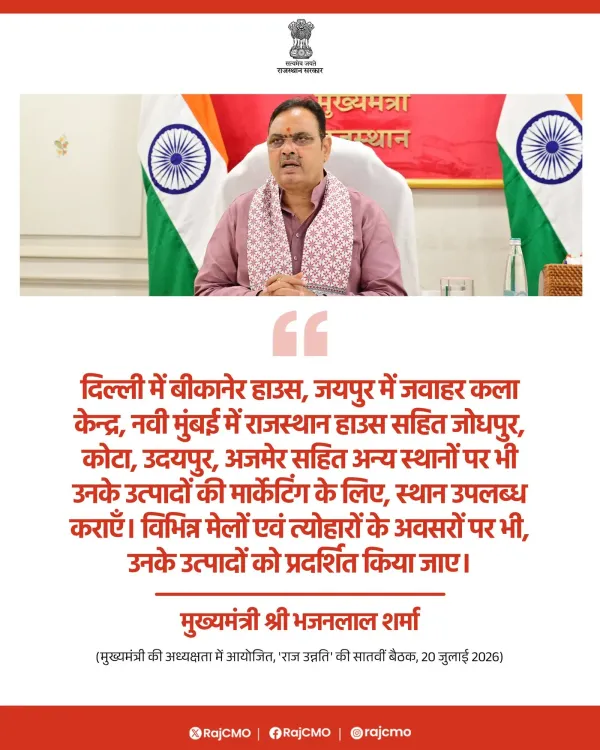
The Chief Minister's Office of Rajasthan on Tuesday, 21 July 2026 directed Chief Minister Bhajanlal Sharma to make marketing space available for Rajasthani producers at key government facilities across the country, including Bikaner House in New Delhi, Jawahar Kala Kendra in Jaipur, and Rajasthan House in Navi Mumbai, as well as at locations in Jodhpur, Kota, Udaipur, and Ajmer.
Context
The post, published under the hashtag #आपणो_अग्रणी_राजस्थान ('Our Leading Rajasthan'), calls on the Chief Minister to ensure that artisans and producers have dedicated outlets at prominent state-run venues. The directive names seven distinct locations spanning metro cities and major Rajasthani urban centres, signalling a push to widen the geographic footprint of Rajasthani products.
Bikaner House in New Delhi serves as a flagship representational venue for the Rajasthan government, regularly hosting cultural events and official functions. Jawahar Kala Kendra is a multi-disciplinary cultural complex in Jaipur that already draws significant footfall from tourists and art patrons, making it a natural retail anchor for state-produced goods.
Policy Backdrop
Rajasthan has a long institutional history of marketing support for its artisans. The Rajasthan Small Industries Corporation, established in 1961, was specifically tasked with running emporia and providing marketing channels for state products. The Rajasthan State Handloom Development Corporation, set up in the 1980s, further organised artisan clusters and retail outlets to sustain traditional crafts.
Indian state governments routinely allocate space inside bhawans and cultural complexes in metro cities to showcase regional crafts and food products — a practice Rajasthan has followed for decades. The state's GI-tagged items, including blue pottery, bandhej textiles, and leather goods, have historically relied on such government-facilitated retail points for visibility in distant markets.
Stakeholders and Impact
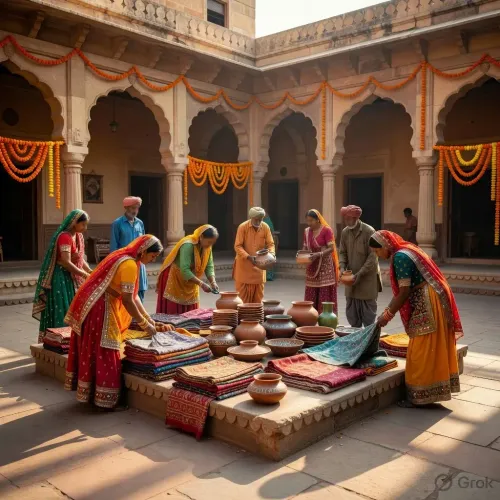
The primary beneficiaries of such a move would be Rajasthani artisans, handicraft cooperatives, and small producers who lack the resources to independently establish a retail presence in metros like Delhi and Mumbai. Access to a venue such as Bikaner House in the national capital could provide direct exposure to policymakers, diplomats, and urban consumers.
For Navi Mumbai's Rajasthan House, the facility could serve the large Rajasthani diaspora in the Mumbai Metropolitan Region, creating both a cultural touchpoint and a commercial outlet. The inclusion of Jodhpur, Kota, Udaipur, and Ajmer suggests the initiative is also aimed at strengthening intra-state distribution, not just metro outreach.
What's Next
The directive as posted does not specify a timeline, the categories of products to be stocked, or the artisan cooperatives that would be assigned space. Formal government orders or memoranda of understanding detailing space allocation to specific producer groups would be the next concrete step to watch.
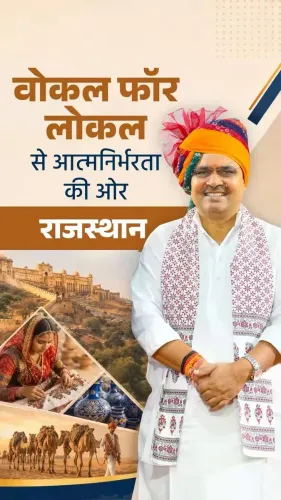
If implemented, the move would extend the 'Aapno Agrani Rajasthan' ('Our Leading Rajasthan') branding initiative into a tangible economic support mechanism, potentially reviving and expanding a network of state-backed retail outlets that has existed in various forms for over six decades.
Point of View
From the national capital to Navi Mumbai and four Rajasthani cities simultaneously, suggests an attempt to systematise what has often been ad hoc. Framing the push under the 'Aapno Agrani Rajasthan' brand ties a welfare measure for artisans to a political identity project ahead of the mid-term cycle. The real test will be whether formal allocation orders follow, since past iterations of this model have stalled at the announcement stage without enforceable institutional backing.
NationPress
20 Oct 2026
Frequently Asked Questions
What did the Rajasthan CMO announce on 21 July 2026?
The Chief Minister's Office of Rajasthan directed CM Bhajanlal Sharma to allocate marketing space for Rajasthani producers at seven government venues, including Bikaner House in New Delhi, Jawahar Kala Kendra in Jaipur, and Rajasthan House in Navi Mumbai.
What is Bikaner House and why is it significant for this initiative?
Bikaner House is the Rajasthan government's flagship representational venue in New Delhi, used for cultural events and official functions. Its high footfall from policymakers, diplomats, and urban visitors makes it a prime location to showcase and sell Rajasthani products.
Which cities are included in the Rajasthan artisan marketing space plan?
The directive covers New Delhi (Bikaner House), Jaipur (Jawahar Kala Kendra), Navi Mumbai (Rajasthan House), and the Rajasthani cities of Jodhpur, Kota, Udaipur, and Ajmer.
What types of Rajasthani products could benefit from this initiative?
Rajasthan's GI-tagged handicrafts — including blue pottery, bandhej textiles, and leather goods — are among the products most likely to gain from dedicated retail space at these government venues.
Has Rajasthan done this kind of artisan marketing support before?
Yes. The Rajasthan Small Industries Corporation has provided marketing support and emporia for state products since 1961, and the Rajasthan State Handloom Development Corporation has organised artisan retail outlets since the 1980s.