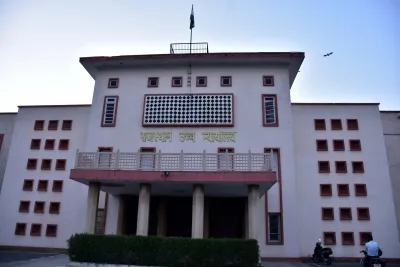
Rajasthan HC sits on Diwali to restore 4 Bundi voters, dismisses EC appeal
Synopsis
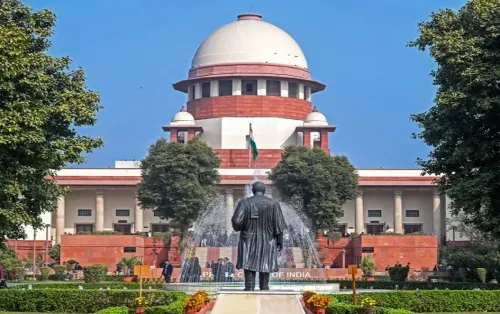
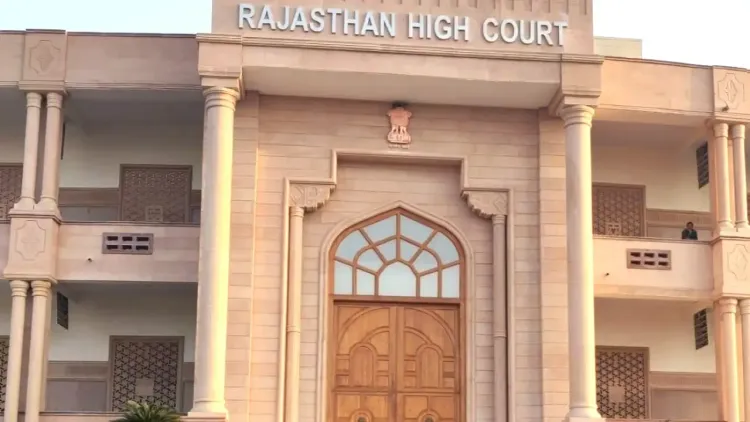
The Rajasthan High Court held a rare Diwali-day sitting to protect four voters whose names were struck from the Mendi Gram Panchayat roll just 24 hours after notices were served — and dismissed the State Election Commission's appeal, cementing the principle that no electoral roll changes are permissible once the election process has begun.
Key Takeaways
The Rajasthan High Court sat on Diwali to hear an urgent electoral roll dispute from Bundi district .
A division bench of Justice Indrajit Singh and Justice Sandeep Taneja dismissed the State Election Commission's appeal on 12 November 2026 .
The court upheld the 4 November single-bench order of Justice Anand Sharma that had quashed the deletion of four voters' names.
The Bundi District Election Officer had ordered the deletion on 18 October — just one day after serving notices on the voters.
The court ruled that once the election process commences, no changes can be made to the electoral roll.
The four voters — Indrajit Singh , Sunita Devi , Sudesh Kumar , and Sunita Kumari — stand restored on the Mendi Gram Panchayat electoral roll.
The Rajasthan High Court held a special sitting on the Diwali holiday on 12 November 2026 to hear a case involving four voters from Mendi Gram Panchayat in Bundi district, ultimately dismissing an appeal filed by the State Election Commission and upholding their right to remain on the electoral roll. The ruling underscores a firm judicial principle: once the election process has commenced, no amendments can be made to the electoral roll.
Background: How the Four Voters Were Struck Off
The four voters — Indrajit Singh, Sunita Devi, Sudesh Kumar, and Sunita Kumari — are residents of Ward No. 4 of Mendi Gram Panchayat. They had previously been registered as voters in Sukhpura Gram Panchayat, and their names were subsequently added to the Mendi Gram Panchayat electoral roll on 7 February.
A resident named Bahadur Singh later objected to their inclusion. The Returning Officer rejected that objection on 2 October. Just one day later, on 3 October, the State Election Commission announced the schedule for the Panchayat elections.
Bahadur Singh then filed a fresh appeal before the Bundi District Election Officer on 13 October. The officer issued notices to the four voters on 17 October and ordered the deletion of their names from the electoral roll the very next day, 18 October — a move that drew immediate legal challenge.
Single-Bench Order and the Commission's Challenge
The four voters approached the High Court, and a single bench of Justice Anand Sharma quashed the deletion order on 4 November. The State Election Commission, the Bundi District Election Officer, and the Hindoli Electoral Registration Officer (ERO) subsequently challenged that ruling before a division bench.
Counsel for the Commission argued that only an election schedule — not a formal election notification — had been issued on 3 October, and that the District Election Officer therefore retained statutory authority to modify the electoral roll. The division bench rejected this reasoning outright.
What the Division Bench Ruled
A division bench comprising Justice Indrajit Singh and Justice Sandeep Taneja dismissed the Commission's appeal, holding that the commencement of the election process — regardless of whether a formal notification had been issued — bars any changes to the electoral roll. The court declined to interfere with the single-bench order, granting full relief to the four voters.
Notably, the High Court chose to hear the matter on a public holiday, reflecting the time-sensitive nature of electoral disputes with panchayat polls underway.
Why the Ruling Matters
The case raises broader questions about procedural safeguards in local body elections, where voter deletions can occur at short notice and affected individuals may lack the resources to mount a legal challenge quickly. Critics argue that the deletion order — issued just one day after notices were served — gave the four voters virtually no time to respond, a concern the courts appeared to take seriously. This is consistent with a pattern of judicial intervention in electoral roll disputes during election season, where timing becomes as consequential as substance.
What Happens Next
With the division bench's order now in place, the names of the four voters stand restored on the Mendi Gram Panchayat electoral roll. The ruling is expected to serve as a reference point in similar disputes during the ongoing Rajasthan Panchayat elections. Any further challenge would require approaching a higher judicial forum.
Point of View
One panchayat — but the procedural issues it surfaces are significant. A deletion order issued one day after notices were served leaves virtually no meaningful opportunity to respond, which is precisely the kind of administrative shortcut that erodes electoral integrity at the grassroots level. The State Election Commission's argument that the absence of a formal notification preserved its power to alter rolls even after announcing an election schedule is a legal stretch that the courts correctly rejected. That the High Court deemed this urgent enough to sit on Diwali signals institutional concern about the pace at which electoral rights can be extinguished at the local body level.
NationPress
12 Nov 2026
Frequently Asked Questions
Why did the Rajasthan High Court sit on Diwali?
The court held a special sitting on the Diwali public holiday to hear an urgent electoral roll dispute involving four voters from Mendi Gram Panchayat in Bundi district, with panchayat elections already underway. The time-sensitive nature of electoral cases — where polls could proceed before a delayed hearing — necessitated the holiday sitting.
What did the Rajasthan High Court rule in the Bundi voter case?
The division bench dismissed the State Election Commission's appeal and upheld the restoration of four voters' names to the Mendi Gram Panchayat electoral roll. It held that once the election process has commenced, no amendments can be made to the electoral roll.
Why were the four voters' names deleted from the electoral roll?
Their names were deleted by the Bundi District Election Officer on 18 October, just one day after notices were served, following an appeal by a local resident named Bahadur Singh who objected to their inclusion on the Mendi Gram Panchayat roll. The voters had previously been registered in Sukhpura Gram Panchayat.
What was the State Election Commission's argument in the case?
The Commission argued that since only an election schedule — not a formal election notification — had been issued on 3 October, the District Election Officer retained statutory authority to modify the electoral roll. The division bench rejected this argument, ruling that commencement of the election process is the operative trigger.
What happens to the four voters now?
Their names stand restored on the Mendi Gram Panchayat electoral roll following the division bench's order of 12 November 2026. Any further challenge to the ruling would require approaching a higher judicial forum.