CM Conrad Sangma welcomes Himanta to Wangala's 50th year
Synopsis
Meghalaya CM Conrad Sangma publicly welcomed Assam CM Himanta Biswa Sarma at the 50th Wangala harvest festival of the Garo (A•chik) people, extending a traditional 'Mitela' greeting and highlighting the cross-border cultural bond between the two Northeast states.
Key Takeaways
Assam CM Himanta Biswa Sarma participated in the 50th Wangala festival of the Garo (A•chik) people.
Meghalaya CM Conrad Sangma welcomed Sarma publicly on X on 12 November 2026 .
Wangala is the annual harvest festival of the A•chik (Garo) community , celebrated across Meghalaya's Garo Hills and parts of Assam.
Sangma extended a traditional Garo greeting — 'Mitela' — on behalf of the A•chik community.
The visit reflects a broader pattern of cross-state cultural diplomacy among Northeast chief ministers.
The Garo community straddles the Assam-Meghalaya border , giving Wangala significance for both states.
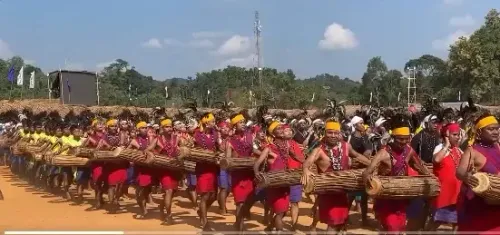
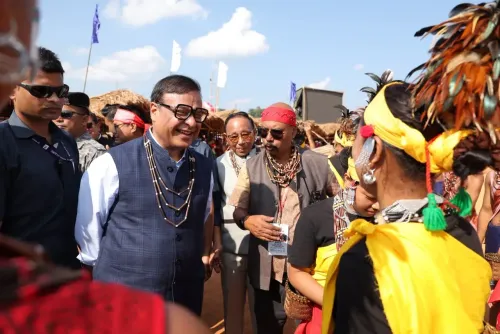
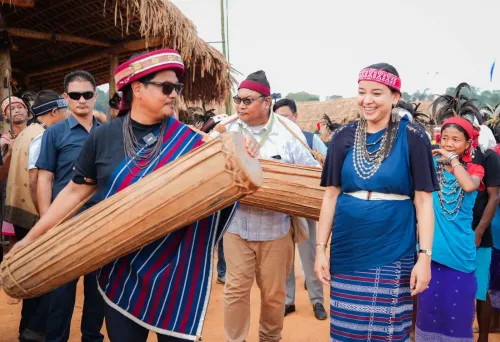
When Assam Chief Minister Himanta Biswa Sarma stepped into the rhythms of the Wangala festival on Thursday, 12 November 2026, it was more than a courtesy call — it was a neighbouring state's leader choosing to immerse himself in one of Northeast India's most cherished harvest celebrations. Meghalaya Chief Minister Conrad Sangma marked the moment publicly, extending a warm 'Mitela' — a traditional Garo greeting of goodwill — on behalf of the A•chik community.
Fifty years of Wangala, and a guest from Assam
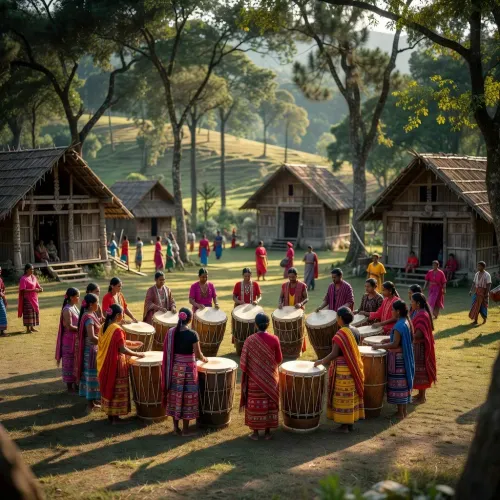
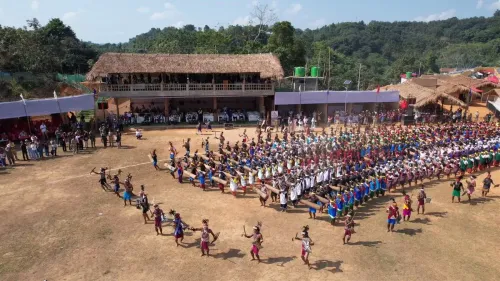
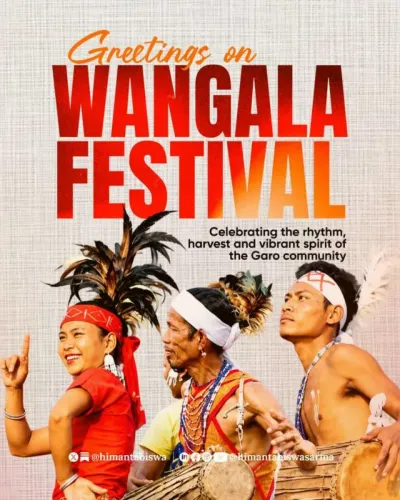
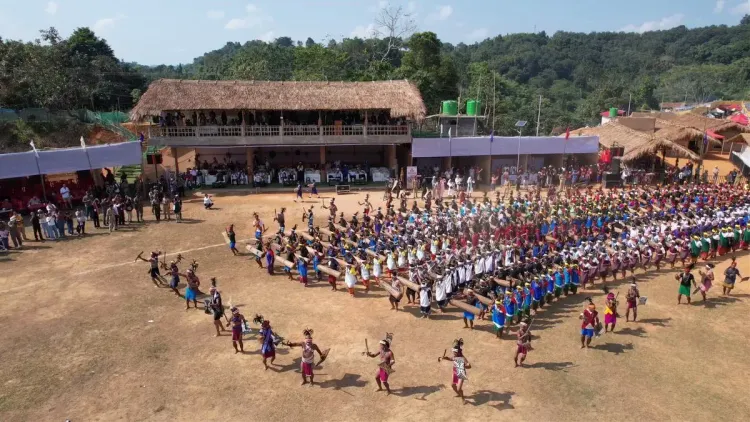
Wangala is the defining annual festival of the Garo (A•chik) people, celebrated primarily across Meghalaya's Garo Hills and adjoining parts of Assam. It marks the close of the agricultural season with days of traditional dance, drum-beating, and ritual offerings — a living thread that ties Garo identity to the land. This year's edition marks a milestone: 50 years of the festival in its organised, large-scale form.
Sarma's presence drew a personal acknowledgment from CM Sangma, who posted his welcome on X, calling it 'great to see you immerse in our culture.' The phrasing matters — 'immerse' signals genuine participation, not a protocol photo-op.
Northeast chief ministers and the quiet diplomacy of tribal culture
The optics of two chief ministers — one from Meghalaya, one from Assam — sharing space at a tribal harvest festival carry weight in a region where state boundaries often cut across the same ethnic communities. The A•chik (Garo) people live on both sides of the Assam-Meghalaya border, making Wangala a festival that is, in a sense, shared patrimony.
Cross-state participation at indigenous festivals has quietly become a soft-diplomacy tool for Northeast leaders. It signals solidarity with tribal communities, reinforces cultural continuity, and projects regional cohesion at a time when Northeast interstate relations have had their share of friction — including a prolonged border dispute between Assam and Meghalaya that is still being resolved sector by sector.
A 'Mitela' and what it carries
Sangma's closing word — 'Mitela' — is a traditional Garo expression of goodwill and welcome. By invoking it on behalf of 'A•chik brothers and sisters,' the Chief Minister was not speaking for himself alone; he was positioning Sarma's visit as something the community itself embraces. It is a small linguistic gesture with a deliberate cultural weight.
That solidarity, expressed publicly and warmly, is exactly the kind of signal both communities and political audiences in the Northeast read carefully.
Two chief ministers, one harvest drum, and fifty years of a festival still going strong — the Northeast's cultural calendar just made the region's politics a little warmer.
Point of View
And Sangma's warm public acknowledgment, is a carefully noted gesture in a region where cultural participation carries political meaning. The Garo (A•chik) community's homeland spans both Assam and Meghalaya, so a visiting Assam CM celebrating their festival is an implicit signal of respect across a contested border. With the Assam-Meghalaya boundary dispute still being resolved sector by sector, moments of shared cultural affirmation between the two CMs serve as low-cost, high-visibility confidence-building measures. For Sangma — who leads the NPP, a party rooted in Garo identity — framing this welcome as coming from 'A•chik brothers and sisters' also reinforces his role as the community's foremost political custodian.
NationPress
12 Nov 2026
Frequently Asked Questions
What is the Wangala festival?
Wangala is the annual harvest festival of the Garo (A•chik) people, celebrated primarily in Meghalaya's Garo Hills and parts of Assam. It marks the end of the agricultural season with traditional dances, drumming, and rituals.
Why did Himanta Biswa Sarma attend Wangala 2026?
Assam CM Himanta Biswa Sarma attended the 50th Wangala festival as a gesture of cultural solidarity with the A•chik (Garo) community, who also reside in parts of Assam. Meghalaya CM Conrad Sangma publicly welcomed his participation.
What does 'Mitela' mean in Garo?
'Mitela' is a traditional Garo expression of goodwill and welcome. CM Conrad Sangma used it in his X post to extend a cultural greeting from the A•chik community to Sarma.
What is the significance of the 50th Wangala festival?
The 50th edition marks half a century of the festival in its organised, large-scale form, making it a milestone celebration for the Garo (A•chik) people and their cultural heritage.
What is the A•chik community?
A•chik is the self-designation of the Garo indigenous community, primarily residing in Meghalaya's Garo Hills and adjoining areas of Assam. Their language, traditions, and festivals like Wangala are central to their identity.