CM Conrad Sangma Backs Wangala Festival Golden Jubilee
Synopsis
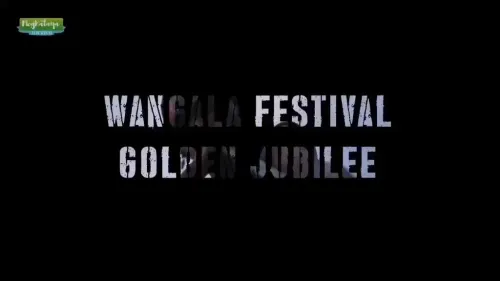
Meghalaya Chief Minister Conrad Sangma has convened a meeting to plan state support for the Golden Jubilee of the 100 Drums Wangala Festival, pledging collaboration with the Wangala Organizing Committee to make the A'chik community's landmark 50th celebration a grand cultural showcase.
Key Takeaways
CM Conrad Sangma held a dedicated meeting on 27 May 2026 to plan state support for the Wangala Festival's Golden Jubilee.
The 100 Drums Wangala Festival is celebrating its 50th year , marking a landmark occasion for the A'chik (Garo) community .
The state government will formally collaborate with the Wangala Organizing Committee on the milestone edition.
Meghalaya has backed indigenous tribal festivals since at least the 1990s as part of cultural preservation and tourism policy.
Specific dates, venue, and funding details for the 2026 Golden Jubilee celebrations are yet to be announced.
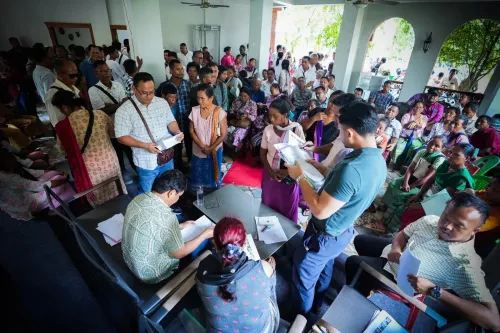
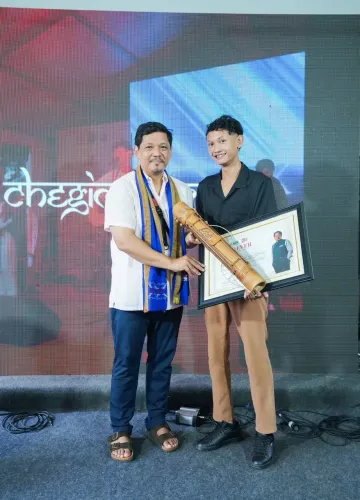
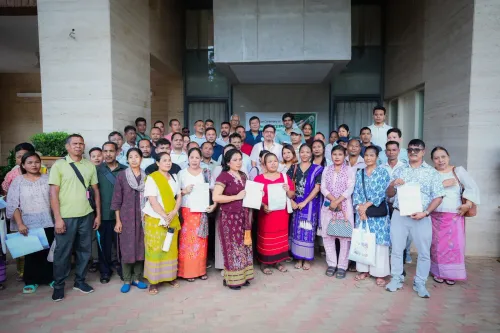
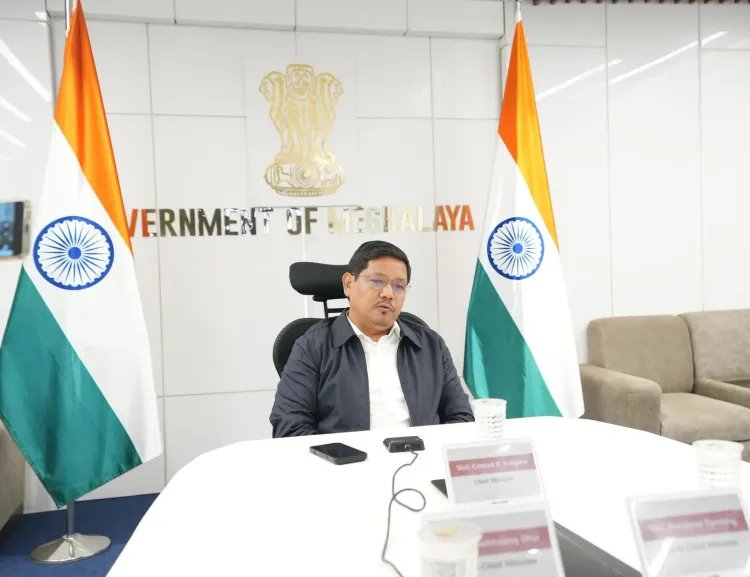
Meghalaya Chief Minister Conrad Sangma on Wednesday, 27 May 2026 chaired a meeting to explore how the state government can support the Golden Jubilee celebrations of the 100 Drums Wangala Festival, marking 50 years of one of the Garo Hills' most iconic cultural events. The Chief Minister announced that the government would collaborate with the Wangala Organizing Committee to ensure the milestone edition is a grand showcase of A'chik culture and tradition.
Context
The 100 Drums Wangala Festival is an annual post-harvest celebration of the Garo (A'chik) community of Meghalaya's Garo Hills, featuring traditional drum performances, folk dance, and indigenous rituals that have been passed down across generations. The festival draws participants and visitors from across the region, serving as a living expression of Garo identity and heritage. The upcoming edition will mark the event's Golden Jubilee — its 50th year — making it a landmark occasion for the community.
Sangma stated that the meeting was called specifically to discuss 'how the state government can support to ensure the Golden Jubilee Celebrations of the 100 Drums Wangala Festival is a grand celebration showcasing the rich culture and traditions of our A'chik community.' He added that the government would 'work together with the Wangala Organizing Committee to ensure a very successful 50 years celebrations.'
Policy Backdrop
State support for indigenous festivals in Meghalaya has been a consistent feature of government cultural policy since at least the 1990s, with successive administrations providing logistical and financial backing for tribal celebrations to promote both cultural preservation and tourism. The 100 Drums Wangala Festival has been one of the key beneficiaries of this approach, growing in scale over the decades with government involvement.
This pattern is mirrored across Northeast India, where state governments routinely partner with indigenous communities to elevate traditional festivals into larger, state-supported events. Nagaland's Hornbill Festival is a prominent parallel, and several other harvest and community celebrations across the region have similarly been scaled up through public funding and official backing. These efforts are increasingly framed as part of integrated cultural-economic development strategies for tribal areas.
Stakeholders and Impact
The A'chik (Garo) community stands as the primary stakeholder, with the Golden Jubilee edition expected to carry deep cultural significance for community members across Garo Hills and the broader Garo diaspora. The Wangala Organizing Committee, which manages the annual event, will now work in formal coordination with the state government to plan the milestone celebrations.
Beyond cultural preservation, state support for the festival has historically contributed to local tourism and the rural economy of Garo Hills, a region that has seen sustained government focus on development and identity-linked economic growth. A 50th-anniversary edition with enhanced state backing could significantly amplify both footfall and media attention for the area.
What's Next
Specific details — including the exact date, venue, and quantum of state financial support — for the 2026 Golden Jubilee celebrations are yet to be formally announced. The government's collaboration with the Wangala Organizing Committee is expected to produce a detailed plan in the months ahead, with the festival traditionally held in November. How the state structures its support for this landmark edition will set a precedent for future large-scale indigenous cultural events in Meghalaya.
Point of View
Which draws significant political support from the Garo community, backing a culturally resonant milestone celebration also reinforces the party's identity as a champion of indigenous rights and heritage. The move fits a broader Northeast Indian pattern of governments converting tribal festivals into state-branded tourism and soft-power assets. The real test will be whether the financial and logistical commitments announced in the coming months match the ambition of a genuine Golden Jubilee showcase.
NationPress
11 Oct 2026
Frequently Asked Questions
What is the 100 Drums Wangala Festival?
The 100 Drums Wangala Festival is an annual post-harvest celebration of the Garo (A'chik) indigenous community of Meghalaya's Garo Hills, featuring traditional drum performances, folk dance, and cultural rituals. It is one of the most prominent tribal festivals in Northeast India.
Why is the 2026 Wangala Festival special?
The 2026 edition marks the Golden Jubilee — the 50th anniversary — of the 100 Drums Wangala Festival, making it a landmark milestone for the A'chik community and prompting the Meghalaya state government to plan enhanced support.
What did Conrad Sangma announce about the Wangala Festival?
Chief Minister Conrad Sangma announced on 27 May 2026 that the state government would work together with the Wangala Organizing Committee to ensure the Golden Jubilee celebrations are a grand showcase of A'chik culture and tradition.
Who organises the Wangala Festival in Meghalaya?
The Wangala Organizing Committee is the local body responsible for planning and executing the 100 Drums Wangala Festival each year, and it will now coordinate formally with the Meghalaya state government for the 2026 Golden Jubilee edition.
When is the Wangala Festival usually held?
The 100 Drums Wangala Festival is traditionally held in November each year in the Garo Hills region of Meghalaya, following the post-harvest season of the Garo community.