Rajasthan Heatwave: Barmer Hits 46.4°C, Relief Expected April 28

Synopsis
Rajasthan is baking under a fierce heatwave with Barmer hitting 46.4°C and Jaisalmer at 46°C on April 27. While warm nights compound the health crisis across desert districts, the IMD has forecast thunderstorms and hailstorms between April 28–30, promising the first meaningful relief in days.
Key Takeaways
Barmer recorded Rajasthan's highest temperature of 46.4°C in the 24 hours ending April 27, 2025 .
Jaisalmer (the Golden City) followed at 46°C , with Kota and Chittorgarh each at 45.2°C .
Most of Rajasthan is experiencing temperatures between 44°C and 46°C , significantly above seasonal norms.
The IMD has issued an alert for strong winds and light rain in Jaipur and Alwar , with partial afternoon relief expected.
Meaningful weather relief — including thunderstorms and hailstorms — is forecast between April 28 and April 30 .
Gangapur City (Sawai Madhopur) received the state's highest rainfall of 6.0 mm , while the lowest minimum temperature of 22.8°C was recorded at Jawai Dam, Pali .
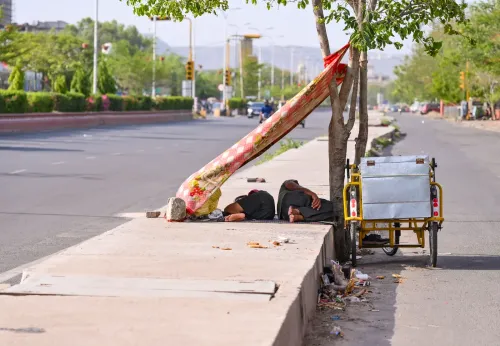
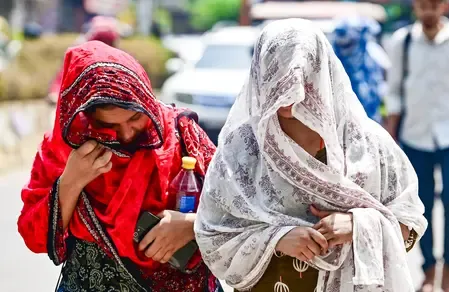
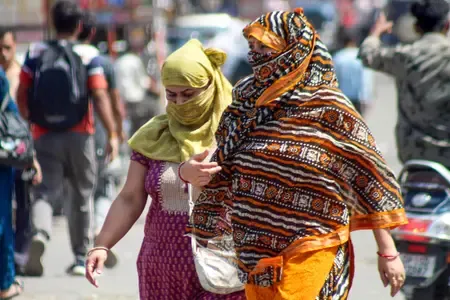
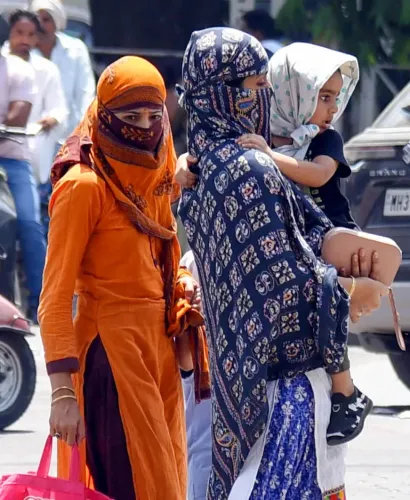
Rajasthan is enduring a severe heatwave as temperatures soar well above normal across most districts, with Barmer recording the state's highest maximum temperature of 46.4 degrees Celsius in the 24 hours ending April 27, 2025. The India Meteorological Department (IMD) has simultaneously issued an alert for strong winds and light rainfall in Jaipur, Alwar, and nearby districts, signalling partial relief for residents suffering under relentless scorching conditions. Temperatures across most of Rajasthan are currently hovering between 44°C and 46°C, significantly above seasonal norms.
Temperature Records Across Rajasthan
Barmer emerged as the hottest location in the state, clocking a peak of 46.4 degrees Celsius, closely followed by Jaisalmer — popularly known as the 'Golden City of India' — which recorded 46 degrees Celsius. Kota and Chittorgarh each registered 45.2 degrees Celsius, reflecting how widespread the heat extremity has become across geographically diverse parts of the state.
The coolest minimum temperature was logged at Jawai Dam in Pali district, where the mercury dipped to 22.8 degrees Celsius. Meanwhile, Gangapur City in Sawai Madhopur received the highest rainfall of the day at 6.0 mm, providing localised relief to residents there.
Warm Nights and Dusty Winds Compound the Crisis
Beyond daytime highs, heatwave conditions and unusually warm nights have been reported across multiple Rajasthan districts, compounding health risks — particularly for the elderly, outdoor workers, and children. Warm nights prevent the body from recovering from daytime heat stress, significantly raising the danger of heat-related illnesses.
After a particularly intense Sunday, cloud cover began developing over districts including Jaisalmer, Bikaner, Ajmer, Bhilwara, and Chittorgarh from around 4:00 PM onwards. This was accompanied by light rainfall and dusty winds in isolated pockets, offering brief but limited respite.
IMD Forecast: What the Weather Department Said
The IMD has warned that the heatwave is likely to persist in the near term, with temperatures expected to remain above normal. However, afternoon hours may bring partial cloud cover, isolated light rain, and dusty winds to certain districts, providing temporary cooling.
A more significant weather shift is anticipated between April 28 and April 30, when the department forecasts thunderstorms, moderate rainfall, and even isolated hailstorm activity across several parts of Rajasthan. This could bring meaningful temperature drops and mark a transitional phase in the region's weather pattern.
Broader Context: Rajasthan's Recurring Heat Crisis
Rajasthan's desert geography makes it perennially vulnerable to extreme heat events, but climate scientists have noted a troubling trend of heatwaves arriving earlier in the season and persisting longer than historical averages. Barmer and Jaisalmer, located in the Thar Desert belt, routinely top national temperature charts during April and May, but the frequency of temperatures breaching 46°C before the end of April is increasingly alarming.
This comes amid growing concerns about the health infrastructure in rural Rajasthan's desert districts, where hospitals and primary health centres are often under-equipped to manage a surge in heatstroke and dehydration cases. Farmers and daily-wage labourers who cannot afford to stay indoors remain the most vulnerable demographic during such extreme events.
Impact on Citizens and What to Expect Next
Residents across affected districts have been advised to avoid outdoor exposure during peak afternoon hours, stay hydrated, and watch for symptoms of heat exhaustion. Schools in several districts have already adjusted timings or suspended outdoor activities in response to the extreme conditions.
With the IMD predicting relief from April 28, the coming days will be critical. If the forecast thunderstorms materialise as predicted, Rajasthan could see a meaningful drop in maximum temperatures heading into early May — though the broader summer season will continue to demand vigilance from both authorities and citizens alike.
Point of View
The real question is why desert districts like Barmer and Jaisalmer — which predictably breach 46°C every summer — still lack robust heatstroke response infrastructure. The pattern of extreme heat arriving earlier each year is consistent with broader climate data, yet state-level adaptation policies remain reactive rather than proactive. NationPress believes it is time for Rajasthan's administration to treat heatwaves with the same urgency as floods — with pre-positioned medical resources, mandatory employer guidelines for outdoor workers, and real-time public advisories.
NationPress
19 Sept 2026
Frequently Asked Questions
Which city recorded the highest temperature in Rajasthan on April 27, 2025?
Barmer recorded the highest temperature in Rajasthan on April 27, 2025, reaching 46.4 degrees Celsius. Jaisalmer followed closely at 46 degrees Celsius, while Kota and Chittorgarh each registered 45.2 degrees Celsius.
When will the heatwave in Rajasthan end?
The IMD has forecast significant relief between April 28 and April 30, 2025, when thunderstorms, rainfall, and isolated hailstorm activity are expected across several Rajasthan districts. Until then, temperatures are likely to remain above normal.
What alert has the IMD issued for Rajasthan?
The India Meteorological Department has issued an alert for strong winds and light rainfall in Jaipur, Alwar, and adjoining areas. A broader forecast also predicts thunderstorms and hailstorms in several districts between April 28 and April 30.
Which area received the most rainfall in Rajasthan during the heatwave?
Gangapur City in Sawai Madhopur district recorded the highest rainfall in Rajasthan in the 24 hours ending April 27, receiving 6.0 mm of rain. This provided localised relief even as most of the state continued to experience extreme heat.
Why is Rajasthan experiencing such extreme heat in April?
Rajasthan's Thar Desert geography makes it highly susceptible to extreme heat events, particularly in April and May. Climate scientists have noted that heatwaves are now arriving earlier and lasting longer, with temperatures breaching 46°C before the end of April becoming increasingly common.