Rajasthan local body polls: Ex-MLA files SC caveat over HC's July 31 deadline
Synopsis
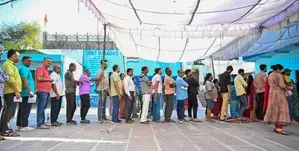
Rajasthan's long-delayed local body elections — stalled for nearly one-and-a-half years — now face a fresh legal front. After the High Court set a firm 31 July 2026 deadline and rejected weather as an excuse for delay, petitioner Sanyam Lodha has moved the Supreme Court with a caveat, pre-empting any state move to get the order stayed before he can be heard.
Key Takeaways
Sanyam Lodha , former Rajasthan MLA, filed a caveat in the Supreme Court on 27 May 2025 .
The Rajasthan High Court on 22 May ordered Panchayat and Urban Local Body elections to be held by 31 July 2026 .
The OBC Commission was directed to submit its report by 20 June .
An earlier deadline of 15 April 2026 , set while deciding 439 petitions on 14 November 2025 , was missed by the state.
The High Court rejected weather-related reasons as grounds for delay, calling elections a statutory and mandatory obligation .
The state government or State Election Commission may challenge the High Court order in the Supreme Court .
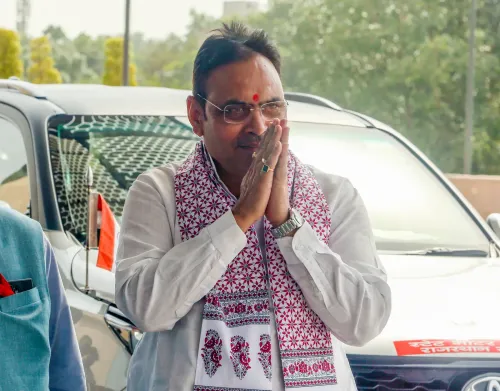
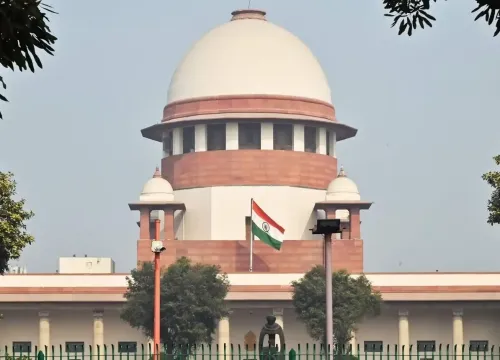
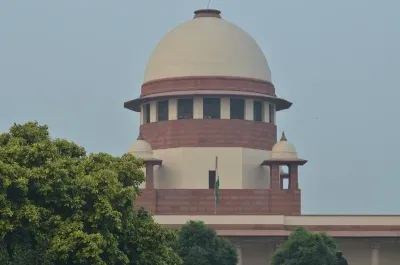
Former Rajasthan MLA and petitioner Sanyam Lodha on Wednesday, 27 May 2025, filed a caveat petition in the Supreme Court in connection with the Rajasthan High Court's order directing the state to complete Panchayat and Urban Local Body elections by 31 July 2026. Through the caveat, Lodha has sought to ensure that no order is passed by the apex court — should the state government or the State Election Commission challenge the High Court's directive — without first hearing his submissions.
Background: A Prolonged Electoral Delay
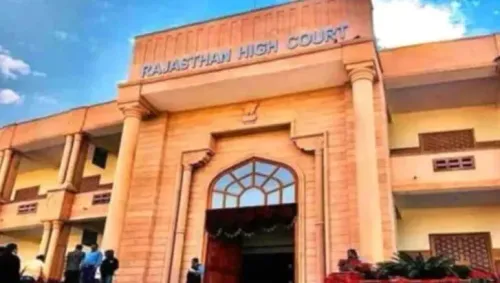
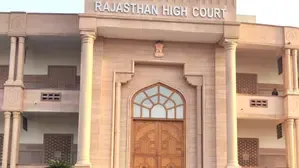
The Rajasthan High Court, in its order dated 22 May, directed the state government to hold Panchayat and Urban Local Body elections by 31 July 2026 and instructed the OBC Commission to submit its report by 20 June. This came after the court had earlier, while disposing of 439 petitions on 14 November 2025, set an initial deadline of 15 April 2026 for conducting the elections — a deadline the state failed to meet.
State Government's Justification
The Rajasthan government sought additional time from the court, citing the pending OBC Commission report and prevailing circumstances as reasons for the postponement. However, petitioners Sanyam Lodha and Girraj Singh Devanda argued that the state had been deliberately stalling the electoral process for nearly one-and-a-half years.
High Court's Firm Observations
The court firmly rejected weather-related justifications — such as heat or rain — as valid grounds for delaying elections in Rajasthan. It underlined that conducting elections is a statutory and mandatory obligation of the government, and that delays by the OBC Commission must not be allowed to obstruct the democratic process.
What Happens Next
With the High Court's order in place, officials indicated that the Rajasthan state government or the State Election Commission may approach the Supreme Court to challenge the directive. Lodha's caveat ensures he will be heard before any such challenge is decided. The outcome of any apex court proceedings could determine whether elections proceed as mandated by 31 July 2026 or face yet another deferral.
Point of View
But the real test is whether the Supreme Court, if approached, will hold the line or grant another extension. The OBC Commission report has become a recurring procedural shield; the court was right to separate that process from the electoral obligation. If the state does move the apex court, the caveat filing signals that petitioners are prepared for a protracted legal battle — and that democratic accountability in local governance will remain a contested space in Rajasthan.
NationPress
10 Oct 2026
Frequently Asked Questions
What is the caveat petition filed by Sanyam Lodha in the Supreme Court?
A caveat petition is a legal notice that ensures the filer is heard before any court order is passed against their interest. Lodha filed it so that if the Rajasthan government or State Election Commission challenges the High Court's election deadline in the Supreme Court, no ex-parte order can be issued without hearing his side.
What did the Rajasthan High Court order regarding local body elections?
The Rajasthan High Court, in its order dated 22 May, directed the state government to complete Panchayat and Urban Local Body elections by 31 July 2026. It also asked the OBC Commission to submit its report by 20 June, and firmly rejected weather-related reasons as valid grounds for delay.
Why have Rajasthan's local body elections been delayed?
The state government cited the pending OBC Commission report and prevailing circumstances as reasons for postponement. Petitioners, however, argued the delay was deliberate and had stretched for nearly one-and-a-half years. The High Court had already set an earlier deadline of 15 April 2026, which was also not met.
Who are the key petitioners in the Rajasthan local body elections case?
The primary petitioners are former MLA Sanyam Lodha and Girraj Singh Devanda, who argued before the Rajasthan High Court that the state was deliberately delaying the electoral process. It was while deciding 439 such petitions on 14 November 2025 that the court first set the April 2026 deadline.
What happens if the Rajasthan government challenges the High Court order?
Officials indicated that the state government or the State Election Commission may move the Supreme Court against the High Court's directive. Lodha's caveat petition ensures he will be given an opportunity to present his case before any such challenge is decided by the apex court.