Rajasthan orders probe into black-market cancer injections from Bikaner hospital
Synopsis
Cancer injections supplied free to advanced-stage patients at Bikaner's Government Cancer Hospital ended up on Delhi's black market — and Rajasthan's health minister has now ordered a full supply-chain audit. With Delhi Police already having arrested accused and seized 22 vials, the case exposes a potentially systemic leak in India's public medicine distribution network.
Key Takeaways
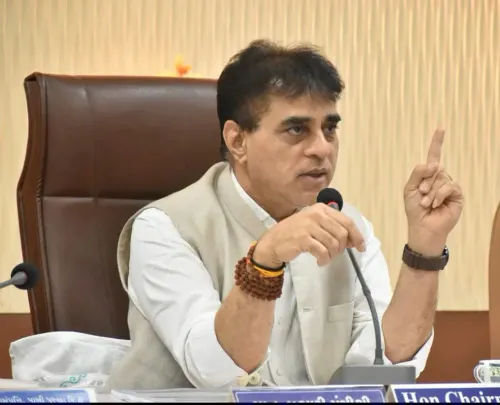
Rajasthan Health Minister Gajendra Singh ordered a factual enquiry on 19 August into the alleged black-market sale of cancer injections from the Government Cancer Hospital, Bikaner .
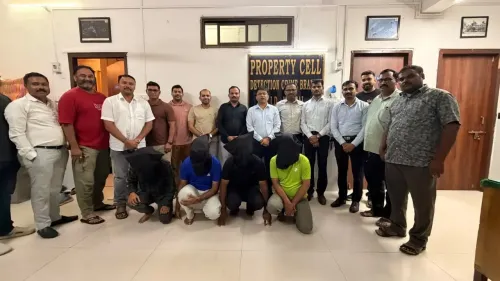
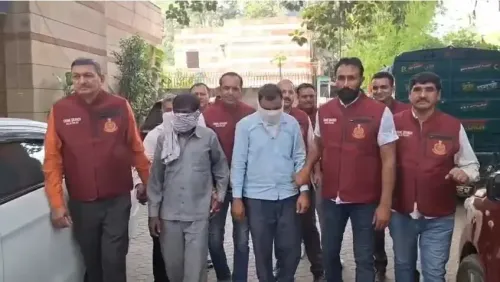
The Delhi Police Crime Branch Inter-State Cell busted the racket, arresting accused and seizing 22 vials of expensive cancer injections.
Four vials from the seizure were confirmed as part of government stock supplied to the Bikaner cancer hospital , where they are provided free to advanced cancer patients.
RMSCL and hospital officials have been directed to audit the full supply chain, including stock registers, indents, dispatch, and distribution records.
The Minister warned of strict action — including personal accountability for officials — if irregularity, negligence, or collusion is established.
The government has also signalled broader reforms to make the medicine supply and distribution system more transparent and robust.
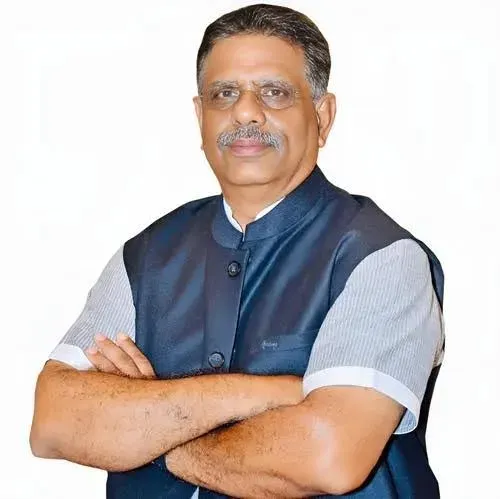
Rajasthan Health Minister Gajendra Singh has ordered a formal factual enquiry into the alleged illegal sale in Delhi of cancer injections originally supplied by the Rajasthan Medical Services Corporation Limited (RMSCL) to the Government Cancer Hospital in Bikaner, one of North India's primary cancer treatment centres. The directive came after four vials from a government consignment meant for advanced cancer patients were recovered from a black-market racket busted in the capital.
How the Racket Came to Light
The Inter-State Cell of the Delhi Police Crime Branch uncovered the black-marketing network and arrested the accused, seizing 22 vials of expensive cancer injections in total. Of these, four vials were traced back to government stock dispatched to the Bikaner cancer hospital, where they are provided free of charge to patients with advanced cancer. The discovery triggered immediate alarm, given that these life-saving medicines are meant exclusively for patients who cannot afford them privately.
What the Government Has Directed
Minister Gajendra Singh directed RMSCL and concerned officials to immediately examine the complete supply chain — covering stock registers, indents, dispatch records, and hospital-level distribution records — to identify discrepancies and establish accountability. He made clear that black marketing or unauthorised sale of expensive, life-saving medicines supplied to government hospitals would not be tolerated under any circumstances.
The Minister further stated that if the enquiry establishes any irregularity, negligence, or collusion at any stage of the medicine supply process, strict action would be taken under applicable rules, with accountability fixed on all officials and employees found responsible.
Systemic Concerns and What It Means for Patients
The diversion of government-issued cancer injections to the black market raises serious questions about supply-chain integrity within Rajasthan's public health infrastructure. Bikaner's Government Cancer Hospital serves a large catchment area across North India, and any leakage of medicines intended for terminal or advanced-stage patients directly compromises their access to treatment. Notably, this is not an isolated concern — medicine diversion from public hospitals has been flagged in several Indian states over the past decade, underscoring the need for real-time inventory tracking.
The Minister emphasised that the availability, distribution, and proper use of expensive medicines for serious diseases such as cancer is being regularly monitored, and instructed officials to further strengthen the government medicine supply and distribution system to make it more transparent, accountable, and robust.
What Happens Next
Action in the present case will be determined on the basis of the enquiry's findings. The Rajasthan government has signalled that systemic reforms to the medicine supply chain are on the table, beyond any punitive action against individuals found culpable. The Delhi Police investigation into the broader racket is separately ongoing.
Point of View
Creating windows for diversion that are rarely caught in real time. The fact that government-issued cancer injections — among the most expensive and tightly allocated medicines in the public system — made it to a Delhi black-market racket points to either organised collusion within the supply chain or catastrophic oversight gaps, possibly both. The enquiry's credibility will hinge on whether it is conducted by an independent body or by the same department that oversees RMSCL. Past internal probes in similar medicine-diversion cases across Indian states have rarely resulted in systemic reform. Rajasthan's health administration will need to go beyond punishing individuals and invest in real-time inventory tracking if it wants to prevent the next leak.
NationPress
4 Oct 2026
Frequently Asked Questions
What is the Rajasthan cancer injection black-market case?
It refers to the discovery that cancer injections supplied free by the Rajasthan government to the Government Cancer Hospital in Bikaner were allegedly diverted and sold illegally on the black market in Delhi. The Delhi Police Crime Branch busted the racket, arresting accused and seizing 22 vials, four of which were traced to the Bikaner government consignment.
Who ordered the enquiry and what does it cover?
Rajasthan Health Minister Gajendra Singh ordered the enquiry on 19 August, directing RMSCL and concerned officials to audit the complete supply chain — including stock registers, indents, dispatch records, and hospital-level distribution records — to identify discrepancies and fix accountability.
Which hospital was the source of the diverted medicines?
The injections were originally supplied through RMSCL to the Government Cancer Hospital in Bikaner, a major cancer treatment centre in North India, where they are distributed free of charge to patients with advanced cancer.
What action could officials face if found guilty?
The Health Minister stated that if the enquiry establishes any irregularity, negligence, or collusion, strict action will be taken under applicable rules, with personal accountability fixed on officials and employees found responsible.
What broader reforms has the government signalled?
Beyond punitive action, the Rajasthan government has directed officials to strengthen and make the medicine supply and distribution system more transparent, accountable, and robust — though specific measures have not yet been detailed pending the enquiry's findings.