Gujarat's Essential Drug List Grows to 1,479 with Addition of 150 New Medications
Synopsis
In a significant move to enhance public healthcare in Gujarat, the state government has expanded its Essential Drug List by adding 150 new medications, bringing the total to 1,479. This update aims to ensure free treatment availability across public healthcare facilities.
Key Takeaways
Gujarat's EDL expanded to 1,479 medications.
150 new drugs added, 57 removed.
Focus on free treatment availability.
Annual review ensures updated healthcare access.
Medicines cover numerous major disease categories.
Gandhinagar, March 5 (NationPress) The government of Gujarat has expanded its Essential Drug List (EDL) for the year 2025–26 by incorporating 150 new medications after a comprehensive review of the current list. This initiative is designed to enhance the accessibility of free medical treatment in the state's public healthcare facilities.
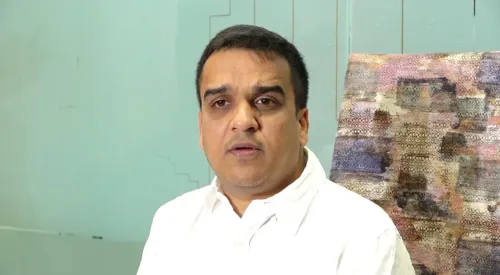
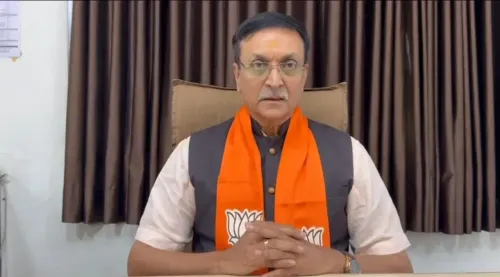
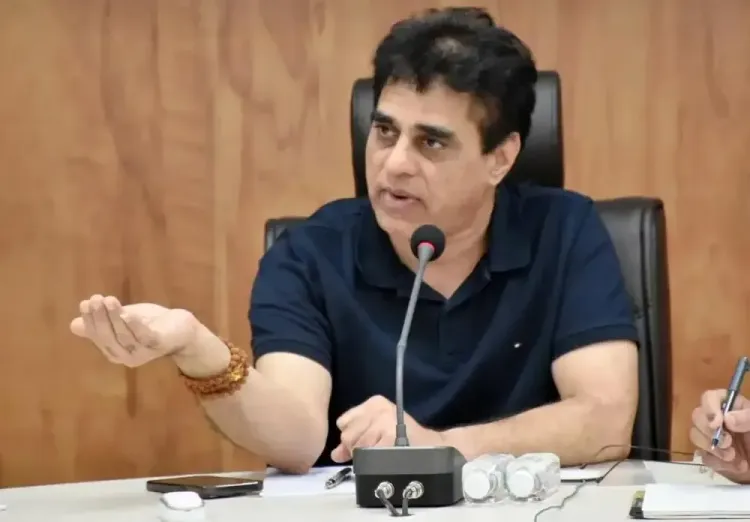
During the announcement, State Health Minister Praful Pansheriya stated that the updated list now boasts 1,479 essential drugs, including surgical supplies and diagnostic tools, which will be provided to patients at no charge through the state's public health system.
The previous year's list included 1,386 medications for 2024–25.
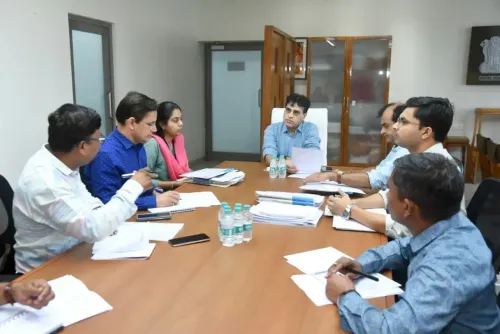
The revision was conducted by Gujarat Medical Services Corporation Limited (GMSCL), following a thorough assessment of the medicines currently utilized in government healthcare facilities.
In the revision process, 150 new drugs were added, while 57 medications deemed unnecessary were removed from the list.
Pansheriya noted that the medications included in the EDL are accessible at all tiers of public healthcare facilities, spanning from primary health centers in both urban and rural areas to district hospitals and medical college-affiliated hospitals.
"Our priority is to provide the best possible treatment and quality medicines for every patient in the state," Pansheriya emphasized.
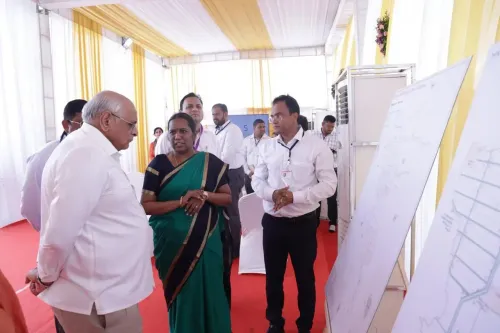
According to him, under the leadership of Chief Minister Bhupendra Patel, the state government views it as a moral obligation to ensure that quality healthcare services are available to every individual in Gujarat.
The Essential Drug List is updated annually by the state government to streamline the procurement and distribution of medicines across government hospitals.
The medications and surgical supplies listed are distributed free of charge via public health institutions at primary, secondary, and tertiary levels.
The revised EDL comprises 378 medicines for primary care and 628 medications designated for secondary healthcare services.
The tertiary level features 1,475 drugs used for specialized and advanced treatments in larger hospitals.
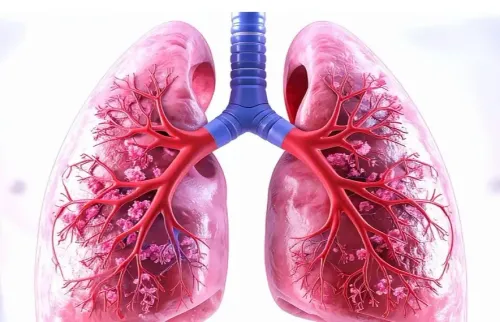
This review has also increased the availability of medicines across numerous major disease categories. For instance, the number of anti-infective drugs has risen from 202 to 216, respiratory medications from 29 to 40, and eye treatments from 51 to 58. The count of medications for gastrointestinal issues has grown from 52 to 56, and the list of medical devices has expanded from 287 to 349.
The updated list further includes medications for various critical illnesses, encompassing 116 drugs for heart conditions, 56 for cancer, 75 for neurological disorders, and 43 for mental health issues.
Pansheriya stated that the annual revision of the drug formulary ensures that the state's healthcare infrastructure remains current and that patients obtain modern and effective treatments through government medical facilities.
Point of View
This expansion of the Essential Drug List by the Gujarat government underscores a commitment to improving public health access. The inclusion of new medications reflects a proactive approach towards addressing the healthcare needs of the population, ensuring that essential treatments are available at no cost.
NationPress
27 Sept 2026
Frequently Asked Questions
What is the purpose of the Essential Drug List?
The Essential Drug List aims to ensure the availability of crucial medications and treatments free of cost in public healthcare facilities.
How many new medicines were added to the EDL?
A total of 150 new medicines were added to the Essential Drug List in Gujarat.
Who is responsible for reviewing the Essential Drug List?
The Gujarat Medical Services Corporation Limited (GMSCL) is responsible for reviewing and updating the Essential Drug List.
How many total medicines are now included in the EDL?
The revised Essential Drug List now includes 1,479 essential medicines.
What types of facilities will provide these medicines?
The medicines will be supplied across all levels of public healthcare facilities, including primary health centers, district hospitals, and medical colleges.