Rajasthan CM Office: Weekly Pay Mandatory Under VB G Ram Ji Yojana
Synopsis
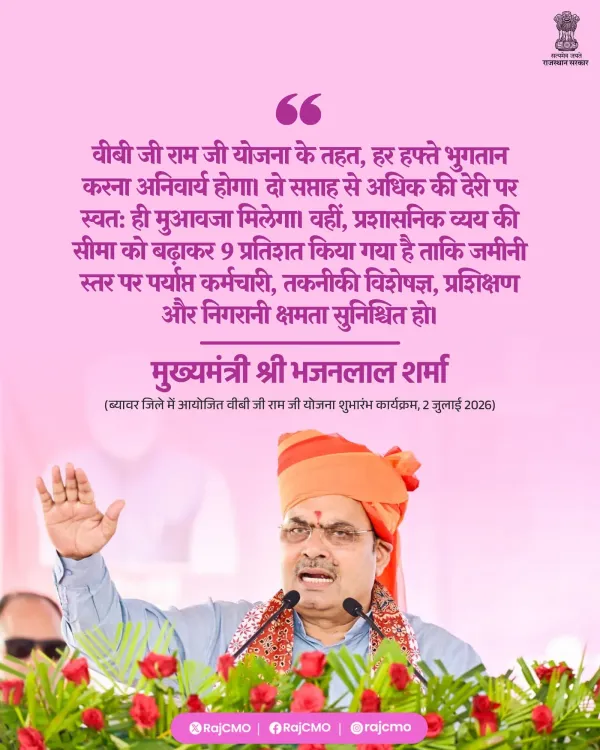
The Rajasthan Chief Minister's Office has announced that weekly payment to beneficiaries under the VB G Ram Ji Yojana will be mandatory, with automatic compensation triggered for any delay exceeding two weeks — a move aimed at protecting daily wage workers and rural labourers from irregular disbursals.
Key Takeaways
The Rajasthan CMO announced on 3 July 2026 that weekly payment is mandatory under the VB G Ram Ji Yojana .
A delay of more than two weeks will automatically trigger compensation for beneficiaries — no complaint required.
The scheme targets daily wage workers and rural labourers in Rajasthan.
The announcement was tagged to Chief Minister Bhajanlal Sharma , signalling direct political ownership.
The automatic compensation clause mirrors provisions under the national MGNREGA framework of 2005.
Full scheme details — beneficiary categories, funding, and grievance redressal — are yet to be officially notified.
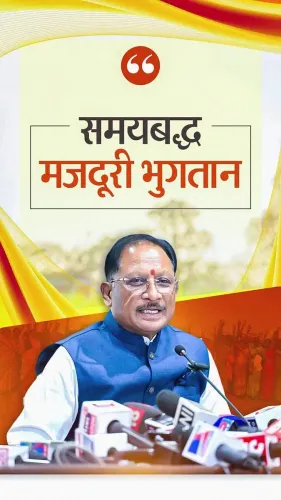
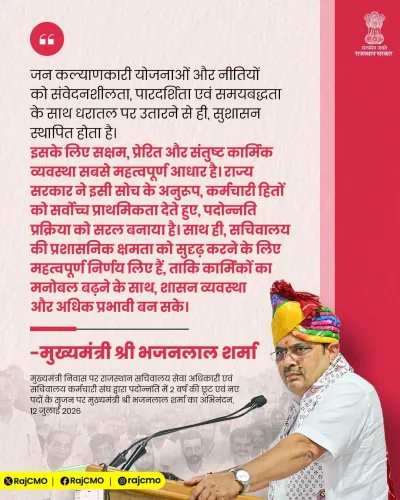
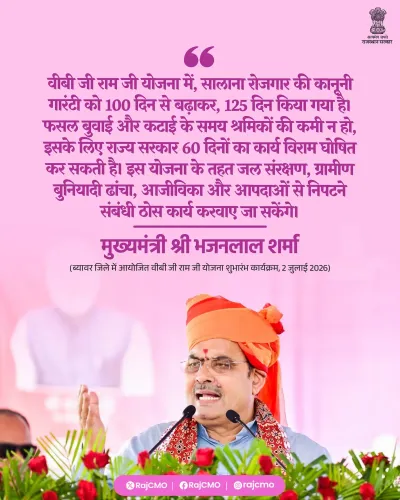
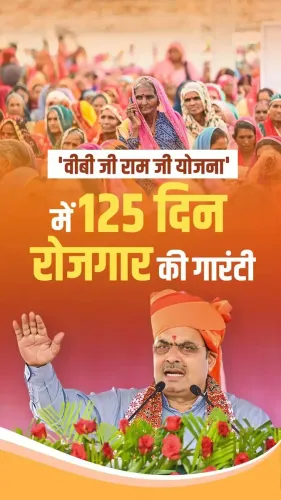
The Chief Minister's Office of Rajasthan announced on Friday, 3 July 2026 that under the VB G Ram Ji Yojana, weekly payment to beneficiaries will be mandatory, and any delay exceeding two weeks will automatically trigger compensation — tagging Chief Minister Bhajanlal Sharma in the post under the hashtag #आपणो_अग्रणी_राजस्थान ('Our Leading Rajasthan').
Context
The post, shared from the official Rajasthan CMO account, states in Hindi: 'वीबी जी राम जी योजना के तहत, हर हफ्ते भुगतान करना अनिवार्य होगा। दो सप्ताह से अधिक की देरी पर स्वतः ही मुआवजा मिलेगा।' — translated as: 'Under the VB G Ram Ji Yojana, weekly payment will be mandatory. For a delay of more than two weeks, compensation will be provided automatically.'
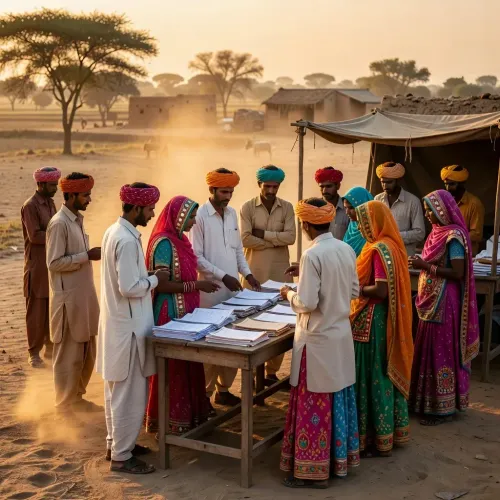
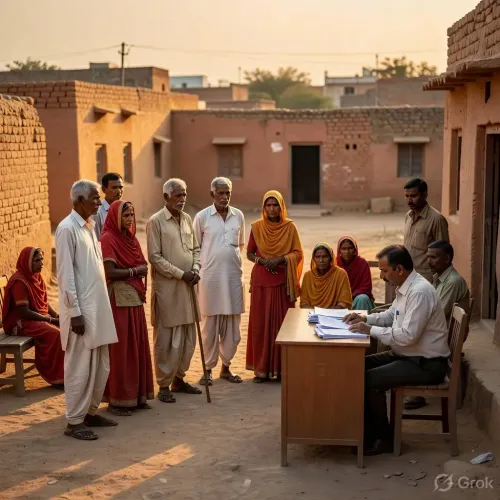
The announcement directly addresses a persistent grievance among daily wage workers and rural labourers in Rajasthan — the irregular and delayed disbursal of wages and scheme benefits, which disrupts household cash flow in the informal sector.
Policy Backdrop
The framing of this scheme echoes the architecture of the Mahatma Gandhi National Rural Employment Guarantee Act (MGNREGA) of 2005, which mandates fortnightly wage payments to rural workers and provides compensation for delays beyond the stipulated period. Rajasthan has historically been one of the larger implementers of MGNREGA, given its large rural and semi-arid geography.
Since the BJP government under Chief Minister Bhajanlal Sharma came to power in December 2023, the state administration has signalled a focus on welfare delivery efficiency. Tightening payment timelines and introducing automatic compensation mechanisms are consistent with a broader national pattern of state governments strengthening accountability in wage and benefit disbursal for unorganised sector workers.
Stakeholders and Impact
The primary beneficiaries of this provision are daily wage workers and rural labourers enrolled under the scheme — groups that are especially vulnerable to cash-flow disruptions caused by payment delays. The automatic compensation clause is significant because it removes the burden of filing a formal complaint from the worker, shifting accountability to the implementing agency.
For the Government of Rajasthan, the weekly payment mandate creates an administrative obligation on disbursing departments and local bodies to maintain timely fund flows. Any systemic failure in payment infrastructure could trigger automatic compensation liabilities, creating a financial incentive for timely compliance.
What's Next
Observers will watch for official government notifications detailing the VB G Ram Ji Yojana's full beneficiary categories, funding mechanism, and the precise formula for calculating automatic compensation. Questions on implementation timelines and grievance redressal are also expected to surface in the Rajasthan Legislative Assembly during upcoming sessions.
If the automatic compensation mechanism is enforced rigorously, it could set a precedent for other state welfare schemes in Rajasthan — and potentially serve as a model for other BJP-governed states seeking to demonstrate accountability in welfare delivery ahead of future electoral cycles.
Point of View
It shifts accountability squarely onto the state machinery, which could either strengthen trust or expose administrative gaps if fund flows are not streamlined. This fits a broader BJP-state pattern of repackaging welfare accountability as governance reform. The real test will be in implementation — whether the notification infrastructure, local body capacity, and fund release mechanisms can actually sustain a weekly payment cycle at scale.
NationPress
1 Oct 2026
Frequently Asked Questions
What is the VB G Ram Ji Yojana in Rajasthan?
The VB G Ram Ji Yojana is a welfare scheme announced by the Rajasthan government under which weekly payment to beneficiaries is mandatory and automatic compensation is provided for delays exceeding two weeks. Full details of beneficiary categories and funding are yet to be officially notified.
What happens if payment is delayed under VB G Ram Ji Yojana?
If payment is delayed by more than two weeks under the VB G Ram Ji Yojana, beneficiaries will automatically receive compensation — without needing to file a separate complaint.
Who benefits from the VB G Ram Ji Yojana?
The scheme is aimed at daily wage workers and rural labourers in Rajasthan who are enrolled under the programme.
Is the VB G Ram Ji Yojana similar to MGNREGA?
The scheme shares structural similarities with MGNREGA, which also mandates timely wage payments and provides compensation for delays, but it is a separate Rajasthan state-level initiative.
Who is the Chief Minister of Rajasthan in 2026?
Bhajanlal Sharma of the BJP is the Chief Minister of Rajasthan, having taken office in December 2023 after the state assembly elections.