Rajasthan CM Bhajan Lal Extends VB Ram Ji Yojana to 125 Days
Synopsis
The Rajasthan government has raised the legal employment guarantee under the Veer Bal Gangadhar Ram Ji Yojana from 100 to 125 days annually, the Chief Minister's Office announced on 3 July 2026, extending income security for rural households beyond the national MGNREGA baseline.
Key Takeaways
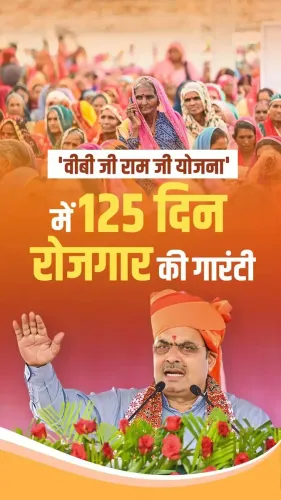
The Chief Minister's Office of Rajasthan announced on 3 July 2026 that the annual legal employment guarantee under the Veer Bal Gangadhar Ram Ji Yojana has been raised from 100 days to 125 days .
The increase adds 25 extra days of legally guaranteed work per year for eligible rural households in Rajasthan .
The scheme supplements the national MGNREGA framework, which provides a baseline guarantee of 100 days of wage employment.
Chief Minister Bhajan Lal Sharma of the BJP , in office since December 2023 , was directly tagged in the official announcement.
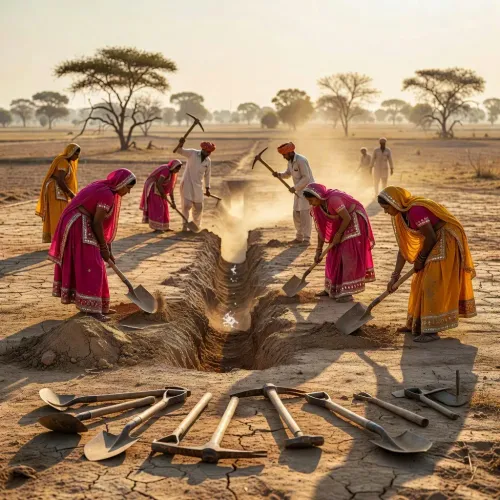
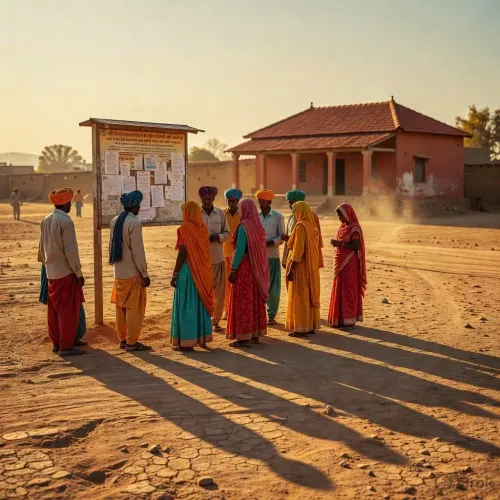
The primary beneficiaries are unskilled rural labourers in Rajasthan, where seasonal agricultural employment is limited by arid conditions.
Budget allocations and person-days generated versus targets in coming financial years will determine whether the enhanced guarantee is fully delivered.
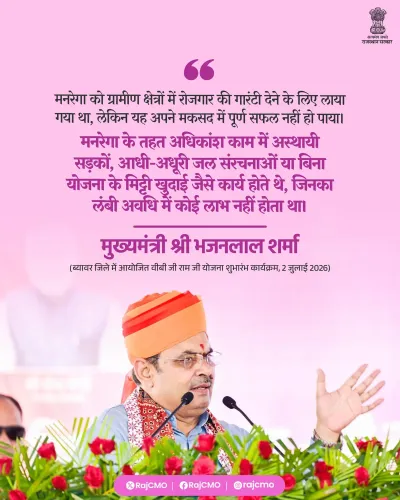
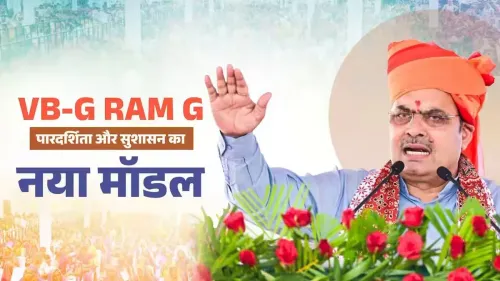
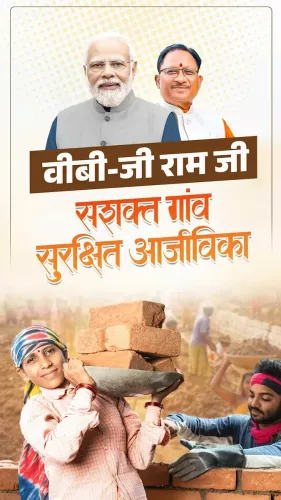
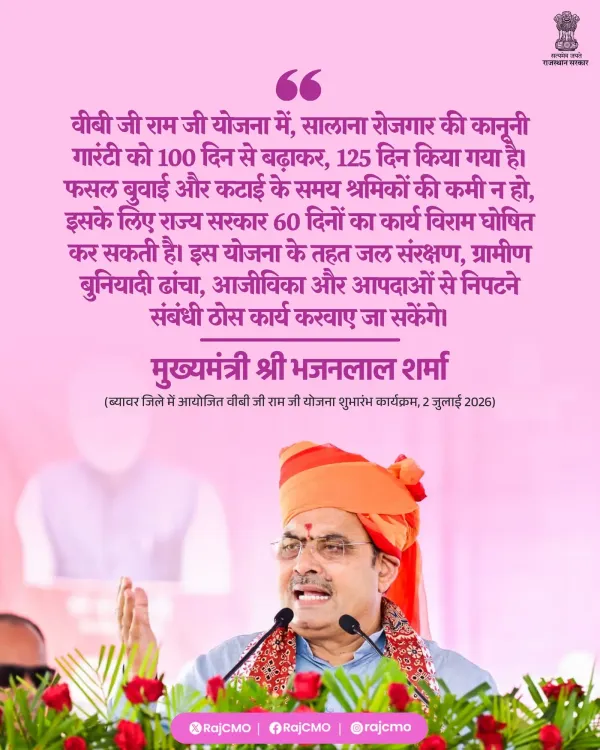
The Chief Minister's Office of Rajasthan announced on Friday, 3 July 2026 that the state government has extended the annual legal employment guarantee under the Veer Bal Gangadhar Ram Ji Yojana from 100 days to 125 days, tagging Chief Minister Bhajan Lal Sharma in the official post on X.
Context
The post, shared under the hashtag #आपणो_अग्रणी_राजस्थान ('Our Foremost Rajasthan'), states: 'वीबी जी राम जी योजना में, सालाना रोजगार की कानूनी गारंटी को 100 दिन से बढ़ाकर, 125 दिन किया गया है' — meaning, 'In the VB Gangadhar Ram Ji Yojana, the annual legal guarantee of employment has been increased from 100 days to 125 days.' The announcement positions the scheme as a state-level supplement to existing rural employment frameworks.
The extension of 25 additional guaranteed work days is aimed at rural households and unskilled labourers enrolled under the scheme, providing a stronger legal safety net against seasonal joblessness and distress migration.
Policy Backdrop
The Mahatma Gandhi National Rural Employment Guarantee Act (MGNREGA), enacted in 2005, set the national baseline of 100 days of legally guaranteed wage employment per rural household per year. Several Indian states have at various points sought to go beyond this floor by layering state-funded schemes on top of the central programme.
Rajasthan's move follows a broader pattern of state governments — under both major national parties — competing on welfare delivery metrics, particularly in rural employment, where demand for work often outstrips the 100-day central guarantee during lean agricultural seasons. The Veer Bal Gangadhar Ram Ji Yojana is the state's vehicle for this supplementary guarantee.
Stakeholders and Impact
The primary beneficiaries are rural households across Rajasthan — one of India's largest states by area — where arid conditions and limited irrigation make agricultural employment highly seasonal. The additional 25 days of legally backed work translate into tangible income security for unskilled labourers who exhaust their MGNREGA entitlement before the agricultural season resumes.
Chief Minister Bhajan Lal Sharma, who took office in December 2023, has positioned welfare scheme expansion as a key governance priority for the BJP government in the state. The tagging of his handle in the CMO's announcement signals the political ownership the administration is asserting over this decision.
What's Next
The effectiveness of the enhanced guarantee will depend on Rajasthan's budget allocations for the scheme and the state's administrative capacity to generate sufficient person-days against the revised target. Official data on work demand versus fulfilment in subsequent financial years will be the key metric to watch.
If the state consistently delivers on the 125-day promise, it could set a benchmark that pressures other states — and potentially the central government — to revisit the MGNREGA ceiling, reinforcing a competitive dynamic in rural welfare policy across India.
Point of View
Not just governance efficiency. By tagging Chief Minister Bhajan Lal Sharma directly, the CMO is personalising the credit, reinforcing his image as a welfare-focused leader ahead of future electoral cycles. This move fits a well-established pattern of state-level welfare escalation in India, where the MGNREGA ceiling has long been seen as a floor that ambitious state governments routinely try to exceed. The real test, however, will be fiscal: Rajasthan's ability to fund and administer the additional 25 days at scale will determine whether this is durable policy or electoral optics.
NationPress
1 Oct 2026
Frequently Asked Questions
What is the Veer Bal Gangadhar Ram Ji Yojana in Rajasthan?
The Veer Bal Gangadhar Ram Ji Yojana is a Rajasthan state government rural employment scheme that provides a legal guarantee of a fixed number of annual work days to eligible households, functioning as a supplement to the central MGNREGA programme.
How many days of employment does the VB Gangadhar Ram Ji Yojana now guarantee?
As of the 3 July 2026 announcement by the Chief Minister's Office of Rajasthan, the scheme now legally guarantees 125 days of employment per year, up from the earlier 100 days.
How is this different from MGNREGA?
MGNREGA is a central government law that guarantees 100 days of wage employment per rural household per year across India. The Veer Bal Gangadhar Ram Ji Yojana is a Rajasthan state-level scheme that extends this guarantee by an additional 25 days, providing a total of 125 days of legally backed employment.
Who is Bhajan Lal Sharma and why is he mentioned?
Bhajan Lal Sharma is the BJP Chief Minister of Rajasthan, in office since December 2023. He was directly tagged in the CMO's announcement, signalling political ownership of the employment guarantee expansion.
Who benefits from the increased employment guarantee in Rajasthan?
Rural households and unskilled labourers across Rajasthan are the primary beneficiaries. The state's arid geography makes agricultural employment highly seasonal, making the additional 25 days of guaranteed work especially significant for workers who exhaust their MGNREGA entitlement early.