Rajnath Singh condoles Namchi tunnel landslide deaths
Synopsis
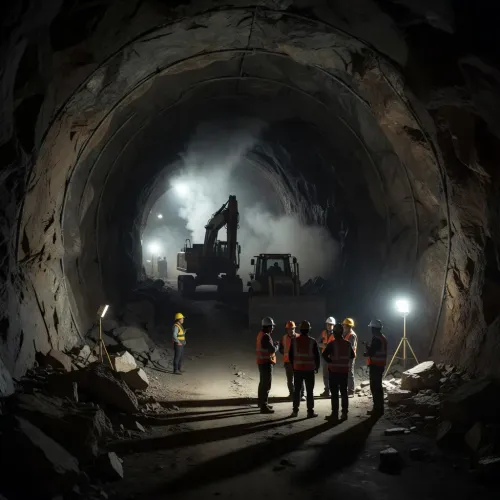
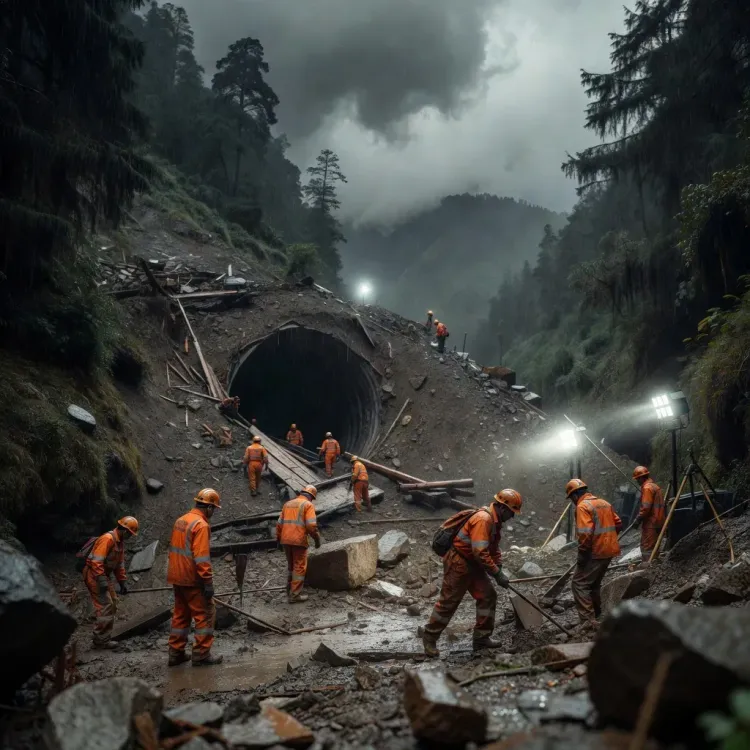
Union Defence Minister Rajnath Singh expressed grief over deaths in a tunnel landslide in Namchi district, Sikkim, on 21 July 2026. Rescue operations are underway. The incident highlights the risks of Himalayan tunnel construction under Bharatmala Pariyojana during monsoon season.
Key Takeaways
A landslide struck an under-construction tunnel in Namchi district, Sikkim on or before 21 July 2026 , causing loss of life and injuries.
Union Defence Minister Rajnath Singh expressed condolences and confirmed rescue operations are underway.
The Border Roads Organisation (BRO) , under the Defence Ministry, is the central agency responsible for strategic tunnel projects in Sikkim.
Sikkim's Himalayan terrain makes it highly vulnerable to landslides, especially during the monsoon season.
Tunnel projects in Sikkim form part of Bharatmala Pariyojana , India's national highway connectivity programme launched in 2015 .
Safety reviews and compensation announcements from the Sikkim government and BRO are expected in the aftermath.
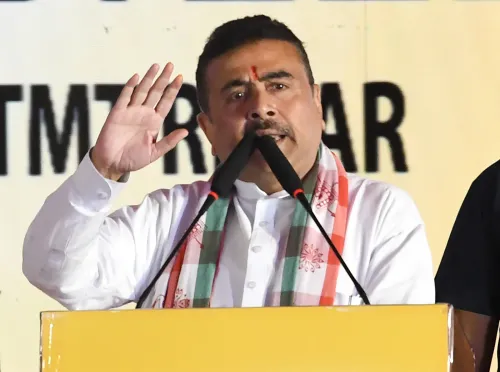
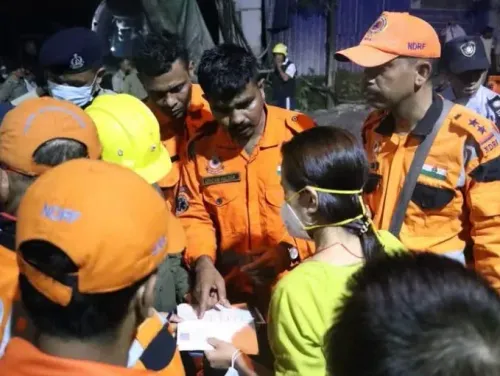
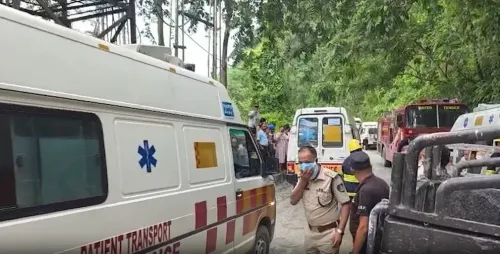
Union Defence Minister Rajnath Singh on Tuesday, 21 July 2026, expressed deep grief over the loss of lives in a landslide at an under-construction tunnel in Namchi district, Sikkim, stating that rescue operations are currently underway to assist those affected.
Singh posted on X: 'Deeply saddened by the loss of precious lives due to a landslide at the under-construction tunnel in Namchi district, Sikkim. My thoughts are with all those who have lost their loved ones and prayers with those who are injured. Rescue ops are currently underway to assist all those affected.'
Context
Namchi, the administrative headquarters of South Sikkim district, sits in the Eastern Himalayas — terrain characterised by steep gradients, fragile geology, and heavy monsoon rainfall that together make it among the most landslide-prone zones in India. Tunnel construction in such terrain carries inherent risk, particularly during the monsoon season when soil saturation sharply raises the probability of slope failure.
The Defence Ministry, through the Border Roads Organisation (BRO), is the principal central agency responsible for building and maintaining strategic roads and tunnels across Sikkim and other Himalayan border states. When accidents occur on BRO-executed or BRO-monitored projects, the Defence Ministry is among the first central bodies to coordinate relief and rescue.
Policy Backdrop
Tunnel and road projects in Sikkim are part of Bharatmala Pariyojana, the national highway programme launched in 2015 that prioritises all-weather connectivity in the Northeast and Himalayan border regions. The programme envisions a network of tunnels, bridges, and expressways designed to reduce travel time and ensure strategic access in areas that remain cut off during adverse weather.
Sikkim borders China, giving these connectivity projects both civilian and strategic significance. Successive governments have accelerated infrastructure spending in the state, with the BRO executing several high-altitude tunnel projects to supplement existing road links that are frequently disrupted by landslides and floods.
Stakeholders and Impact
The immediate victims are construction workers at the tunnel site and local residents in the vicinity of Namchi district. Tunnel construction crews in Himalayan projects typically include migrant labourers alongside local workers, making rescue coordination across multiple jurisdictions necessary.
Families of those killed or injured, the Sikkim state government, and central agencies including the BRO are the key stakeholders in the immediate relief phase. Any subsequent safety audit or compensation announcement will involve both the state administration and the Union Defence Ministry given the BRO's role in border-area infrastructure.
What's Next
Rescue operations flagged by Singh as 'currently underway' will determine the final toll. The Sikkim government and the BRO are expected to issue updates on the number of workers accounted for and the status of those still trapped or missing.
A safety review of tunnel construction protocols in landslide-prone Himalayan districts is likely to follow, as similar incidents in recent years have prompted calls for stricter geological surveys and real-time slope-monitoring systems before and during monsoon months. Compensation packages for victims' families will be a key political and administrative measure to watch in the days ahead.
Point of View
Consistent with the BRO's operational responsibility for border-area tunnel projects in Sikkim. The condolence post follows a familiar pattern where the Union government asserts a coordinating role in disaster response even before state-level details are confirmed. The timing — mid-monsoon — underscores a recurring vulnerability in India's Himalayan infrastructure push: construction schedules driven by strategic and political imperatives often conflict with seasonal geological risk. The incident is likely to reignite debate over mandatory monsoon-period construction pauses and real-time slope-monitoring standards for BRO projects.
NationPress
20 Oct 2026
Frequently Asked Questions
What happened at the Namchi district tunnel in Sikkim?
A landslide struck an under-construction tunnel in Namchi district, Sikkim, causing loss of lives and injuries. Rescue operations were underway as of 21 July 2026.
Who is responsible for tunnel construction in Sikkim?
The Border Roads Organisation (BRO), which operates under the Union Ministry of Defence, is the principal central agency building and maintaining strategic tunnels and roads in Sikkim and other Himalayan border states.
What is Bharatmala Pariyojana and how is it linked to Sikkim?
Bharatmala Pariyojana is a national highway programme launched in 2015 to improve all-weather connectivity across India, including tunnel and road projects in the Northeast and Himalayan border regions such as Sikkim.
Why are landslides common at construction sites in Sikkim?
Sikkim's Eastern Himalayan terrain features steep slopes, fragile geology, and heavy monsoon rainfall, making it one of the most landslide-prone regions in India, especially during construction activity.
What action did Rajnath Singh take after the Sikkim tunnel landslide?
Union Defence Minister Rajnath Singh posted a public condolence message on 21 July 2026, expressing grief over the deaths, offering prayers for the injured, and confirming that rescue operations were underway.