Rajnath Singh Thanks BJP National President for Warm Wishes
Synopsis
Union Defence Minister Rajnath Singh publicly acknowledged warm wishes from BJP National President Nitin Nabin on X on 10 July 2026, expressing gratitude in a brief Hindi post that reflects the party's emphasis on visible internal cohesion between its government and organisational wings.
Key Takeaways
Rajnath Singh posted on X on 10 July 2026 thanking BJP National President Nitin Nabin for 'affectionate best wishes.' The post was written in Hindi and addressed Nabin with the respectful honorific 'ji.' Rajnath Singh is a senior BJP leader who has served as Chief Minister of Uttar Pradesh , Union Home Minister , and currently as Union Defence Minister .
The exchange is consistent with a broader BJP practice of using social media to publicly display party solidarity and internal courtesies.
No policy announcement or specific personal milestone was stated as the trigger for the exchange.
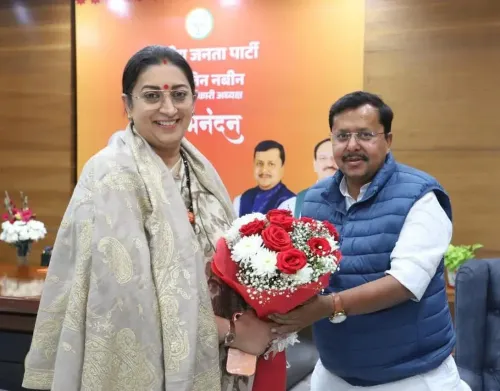
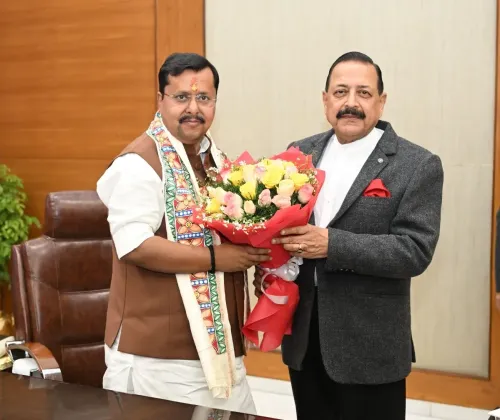
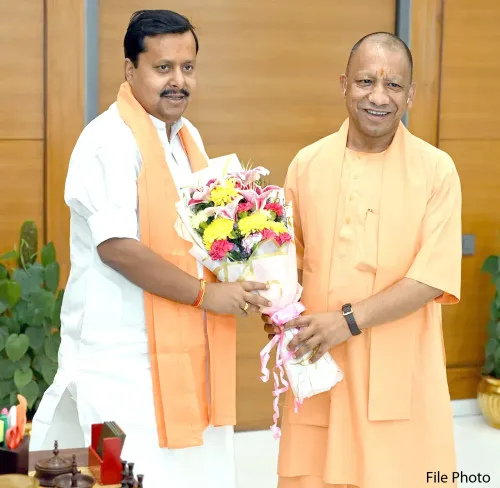
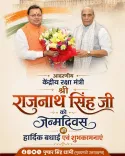
Union Defence Minister Rajnath Singh on Friday, 10 July 2026 publicly acknowledged warm wishes extended to him by BJP National President Nitin Nabin, expressing gratitude through a brief post on X.
Context
In his post, Rajnath Singh wrote, 'स्नेहपूर्ण शुभकामनाओं के लिए आपका आभार, राष्ट्रीय अध्यक्ष जी' — translating to: 'Thank you for your affectionate best wishes, National President ji.' The message was addressed directly to Nitin Nabin, who holds the position of BJP National President.
The exchange reflects a visible and deliberate display of warmth between a senior cabinet minister and the party's organisational head, conducted openly on a public platform.
Policy Backdrop
Rajnath Singh is one of the most senior figures in the Bharatiya Janata Party, having served as Chief Minister of Uttar Pradesh, Union Home Minister, and now as Union Minister of Defence. His standing within the party makes any public exchange with the national president a signal of internal solidarity.
Senior BJP leaders have consistently used social media platforms to acknowledge party courtesies, a practice that underscores the organisation's emphasis on visible internal cohesion. Such exchanges typically follow personal milestones, party anniversaries, or routine collegial courtesies rather than policy events.
Stakeholders and Impact
The primary stakeholders in this exchange are the BJP's organisational leadership and its parliamentary wing. Public acknowledgments of this kind reinforce the image of a unified party hierarchy, particularly between the government and the organisational apparatus.
For Nitin Nabin, the public response from a minister of Rajnath Singh's seniority carries symbolic weight, affirming the relationship between the cabinet and the party president's office.
What's Next
Observers will watch for further signals of party-government coordination at upcoming BJP national executive meetings or organisational conclaves, where leadership interactions of this nature tend to reflect broader internal dynamics. Such courtesies, while routine, often precede or accompany larger organisational announcements or reshuffles within the party structure.
Point of View
Signalling to the rank and file that the party's top tier operates in harmony. Coming at a time when organisational transitions and executive meetings shape the party's direction, even routine acknowledgments from senior leaders carry implicit signals about alignment and loyalty. The exchange is unlikely to have immediate policy consequences, but it adds to the pattern of deliberate, public relationship management that defines the BJP's communication culture.
NationPress
10 Jul 2026
Frequently Asked Questions
Why did Rajnath Singh thank Nitin Nabin on X?
Rajnath Singh thanked BJP National President Nitin Nabin for extending 'affectionate best wishes' to him, as stated in his 10 July 2026 post on X. The specific occasion for the wishes was not mentioned in the post.
Who is Rajnath Singh?
Rajnath Singh is India's Union Minister of Defence and a senior BJP leader. He previously served as Chief Minister of Uttar Pradesh and Union Home Minister .
What did Rajnath Singh post on X on 10 July 2026?
He posted a short message in Hindi expressing gratitude to BJP National President Nitin Nabin for his warm wishes, saying: 'Thank you for your affectionate best wishes, National President ji.'
Is this exchange significant for BJP politics?
While routine in nature, such public acknowledgments between senior BJP cabinet ministers and the party president are part of a deliberate strategy to project internal unity and cohesion within the party.