NEET-UG 2026: Jairam Ramesh files privilege notice against Dharmendra Pradhan
Synopsis
Congress MP Jairam Ramesh has escalated the NEET-UG 2026 paper leak row into a parliamentary privilege battle, filing a formal notice against Education Minister Dharmendra Pradhan for allegedly denigrating parliamentary committees. The move targets not just the minister’s words but the NTA’s credibility — and tests whether Rajya Sabha’s Chair will allow a full privilege inquiry.
Key Takeaways
Jairam Ramesh filed a privilege notice on 18 May against Education Minister Dharmendra Pradhan under Rule 187 of Rajya Sabha’s Rules of Procedure.
The notice alleges Pradhan made “derogatory” remarks about parliamentary committees while discussing the NEET-UG 2026 paper leak controversy.
The complaint is addressed to Rajya Sabha Chairman C.P.
Radhakrishnan , who will decide whether to admit the privilege motion.
Ramesh alleged the minister targeted the Standing Committee on Education — one of eight Rajya Sabha standing committees — because of its bipartisan composition.
The Congress MP argued that Pradhan’s remarks amounted to “contempt of the House” and undermined India’s constitutional democratic framework.
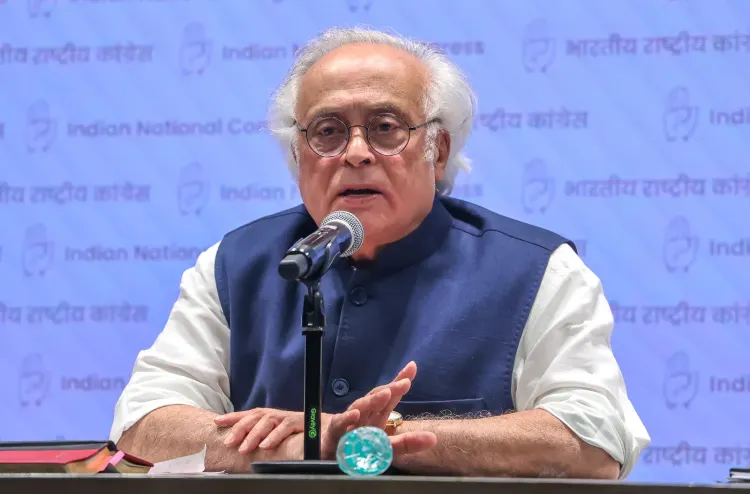
Congress MP and former Union Minister Jairam Ramesh on Monday, 18 May submitted a formal notice seeking privilege proceedings against Union Education Minister Dharmendra Pradhan over remarks the latter allegedly made about parliamentary committees while addressing the NEET-UG 2026 paper leak controversy. The notice, filed under Rule 187 of the Rules of Procedure and Conduct of Business in the Council of States, marks a sharp escalation in the political battle over examination integrity and the role of the National Testing Agency (NTA).
The Privilege Notice
Ramesh addressed his letter to Rajya Sabha Chairman C.P. Radhakrishnan, alleging that Pradhan's comments constituted a “grave breach of privilege and contempt of the House.” The Congress MP charged that the Education Minister had made “outrageous” and “highly derogatory” references to Opposition members, Parliament, parliamentary committees, and the manner in which committee reports are drafted.
“I have given notice of question of privilege under Rule 187 of the Rules of Procedure and Conduct of Business in the Council of States against the Union Minister of Education for having lowered the dignity of Parliament and Parliamentary Committees,” Ramesh said in a post on social media.
What Ramesh Alleged Against Pradhan
According to Ramesh, Pradhan made the contentious remarks last week while discussing reforms within the NTA in the context of the NEET-UG 2026 controversy. Ramesh alleged the minister deliberately targeted the Standing Committee on Education — one of the eight standing committees of the Rajya Sabha — because of its bipartisan character.
“The Minister’s comments also tantamount to imputing dishonourable motives to members of parliamentary committees themselves,” Ramesh wrote in his letter dated 18 May. He further argued that the minister’s conduct revealed “contempt for Parliament, parliamentary committees, members of parliamentary committees drawn from all political parties and India’s constitutional democracy itself.”
The Constitutional Argument
Ramesh grounded his complaint in a broader democratic principle, stating that parliamentary committees are an extension of Parliament itself — “rightly referred to as mini-Parliament.” He argued that the executive’s accountability to the legislature and its committees is “a fundamental tenet of India’s democratic polity.”
The Congress MP also alleged that Pradhan was presiding over “rot” in the Education Ministry that was “destroying the future of lakhs of students across the country” — a direct reference to recurring paper leak allegations that have dogged the NEET-UG examination process.
Background: NEET-UG Under Scrutiny
The NEET-UG examination has faced persistent allegations of paper leaks and irregularities over successive cycles. The NTA, which administers the test for medical college admissions across India, has been under pressure to overhaul its security protocols. The Standing Committee on Education had been examining these concerns, making Pradhan’s alleged remarks about the committee’s functioning particularly sensitive in parliamentary terms.
This is not the first time a privilege notice has been filed over the NEET controversy; the issue has repeatedly spilled from examination halls into the halls of Parliament. How Rajya Sabha Chairman Radhakrishnan responds to the notice will determine whether formal privilege proceedings are initiated.
Point of View
However, is the NEET-UG examination itself: year after year, paper leak allegations surface, and year after year, accountability stops short of systemic reform. Using a privilege motion to spotlight ministerial conduct is legitimate, but it risks overshadowing the more urgent question of why the NTA’s security architecture keeps failing lakhs of students who have no recourse once an exam is compromised.
NationPress
1 Oct 2026
Frequently Asked Questions
What is the privilege notice filed by Jairam Ramesh against Dharmendra Pradhan?
It is a formal complaint filed on 18 May under Rule 187 of Rajya Sabha’s Rules of Procedure, alleging that Education Minister Dharmendra Pradhan made derogatory remarks about parliamentary committees while discussing the NEET-UG 2026 paper leak issue. Ramesh has asked Rajya Sabha Chairman C.P. Radhakrishnan to initiate privilege proceedings against the minister.
What remarks by Dharmendra Pradhan triggered the notice?
According to Jairam Ramesh, Pradhan made comments last week about Opposition members, Parliament, parliamentary committees, and the way committee reports are drafted, while discussing NTA reforms in the context of the NEET-UG 2026 controversy. Ramesh alleged these remarks lowered the dignity of Parliament and imputed dishonourable motives to committee members.
What is a breach of parliamentary privilege?
A breach of parliamentary privilege refers to any act that obstructs or undermines the functioning of Parliament or its members in their official capacity. Parliamentary committees are considered an extension of Parliament, and remarks that denigrate their work or members can be treated as contempt of the House, subject to the presiding officer’s discretion.
What happens next after the privilege notice is filed?
The notice has been submitted to Rajya Sabha Chairman C.P. Radhakrishnan, who will decide whether to admit it and refer the matter to the Privileges Committee. If admitted, the committee examines the alleged breach and recommends action, which can range from a reprimand to suspension.
Why is the NEET-UG 2026 controversy significant?
NEET-UG is the national entrance examination for medical college admissions in India, administered by the National Testing Agency. Recurring paper leak allegations have raised serious concerns about examination integrity, affecting lakhs of students. The controversy has prompted calls for structural reforms at the NTA and greater parliamentary oversight of the examination system.