Will the RBI Introduce New Guidelines for Banks to Compensate Customers in Fraud Cases?

Synopsis
The RBI is preparing to introduce new regulations that will ensure banks compensate customers for small-value fraud. Governor Sanjay Malhotra highlights a comprehensive review of existing guidelines to adapt to evolving technology in banking. This move aims to enhance consumer protection and prevent mis-selling of financial products.
Key Takeaways
New RBI guidelines aim to protect customers from fraud.
Compensation framework for small-value fraudulent transactions is being developed.
Intensified regulations against mis-selling of financial products.
Public consultation will be sought for the draft guidelines.
Review of recovery agent engagement practices is underway.
WARNING: This email was sent from an external source. Please do not click on any links or open attachments unless you are certain of the sender's identity and the safety of the content.
The Reserve Bank of India (RBI) is set to implement new guidelines aimed at ensuring that banks adequately compensate customers in instances of fraudulent transactions involving small amounts.
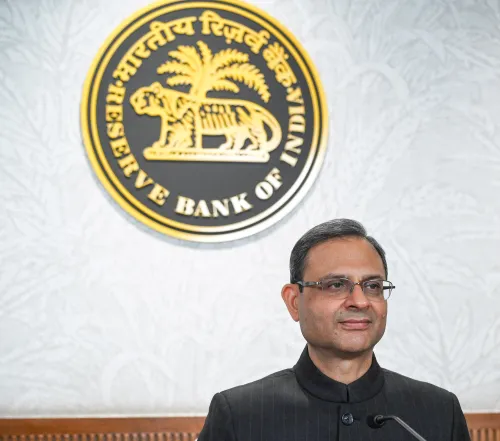
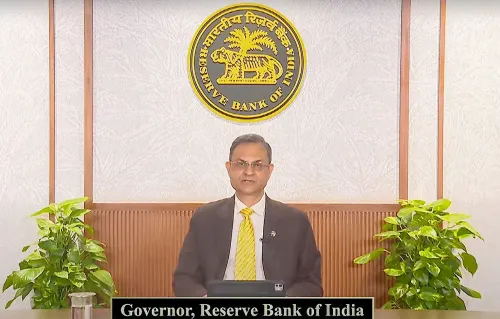
On February 6, RBI Governor Sanjay Malhotra revealed that the central bank is currently formulating updated regulations concerning customer compensation in cases of fraud. The existing guidelines, which were established in 2017, limited customer liability in unauthorized electronic banking transactions, detailing the conditions and timelines for either zero or restricted liability. Given the swift technological advancements in the banking sector and payment systems since these guidelines were issued, a comprehensive review has been undertaken. Consequently, a draft of the revised regulations, which will include a compensation framework for small-value fraudulent transactions, will soon be released for public feedback, as stated by the RBI Governor.
Additionally, Malhotra announced that the RBI is intensifying regulations to prevent banks and non-banking financial companies (NBFCs) from mis-selling financial products and services. Mis-selling can have profound ramifications, affecting both customers and the financial institutions involved. There is a pressing need to ensure that third-party products sold at bank counters align with customer needs and risk tolerance. To address this, the RBI will soon issue extensive guidelines regarding the advertising, marketing, and sales of these financial products and services, which will also be opened for public consultation.
Furthermore, the RBI plans to reassess and standardize existing conduct-related guidelines concerning the engagement of recovery agents and other loan recovery practices. Draft guidelines on this matter will also be made available for public consultation shortly.
At present, various sets of instructions govern different categories of Regulated Entities (REs) such as banks and NBFCs regarding their engagement with recovery agents and loan recovery conduct.
Point of View
It is essential to acknowledge the RBI's proactive approach in safeguarding consumer rights within the rapidly evolving financial landscape. The proposed measures are likely to bolster trust in banking institutions, ensuring a balance between innovation and consumer protection.
NationPress
2 Oct 2026
Frequently Asked Questions
What are the new RBI guidelines about?
The RBI is introducing new guidelines to ensure that banks compensate customers for small-value fraudulent transactions.
When will the new guidelines be issued?
The RBI plans to release the draft guidelines for public consultation shortly.
What is mis-selling in financial services?
Mis-selling occurs when financial products are sold to customers without proper consideration of their needs and risk appetite.