Re-polling begins at 15 booths in South 24 Parganas, Bengal under ECI orders
Synopsis
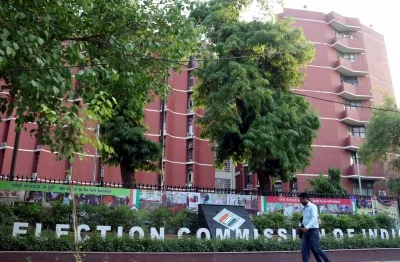
The ECI has ordered re-polling at 15 booths across Magrahat (Paschim) and Diamond Harbour in South 24 Parganas — a sign of the Commission's close scrutiny of West Bengal's two-phase election. With 700 CAPF companies retained and a three-stage counting verification in place, the ECI is clearly taking no chances ahead of the 4 May results.
Key Takeaways
Re-polling began at 15 booths in South 24 Parganas , West Bengal, from 7 am on 2 May under ECI orders.
11 booths are in Magrahat (Paschim) and 4 booths in Diamond Harbour .
Special poll observer Subrata Gupta has also recommended re-polling at 30 booths in Falta Assembly constituency ; ECI decision pending.
Votes will be counted on 4 May at 77 counting centres with a mandatory three-stage verification including QR code checks.
The ECI has retained 700 CAPF companies in West Bengal to prevent post-poll violence.
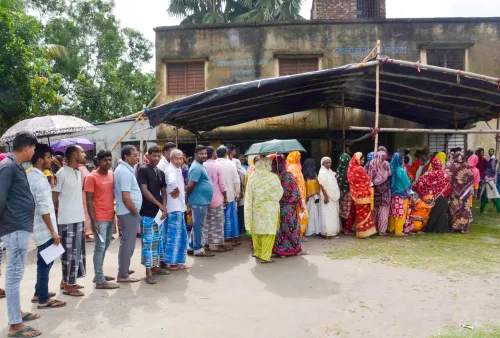
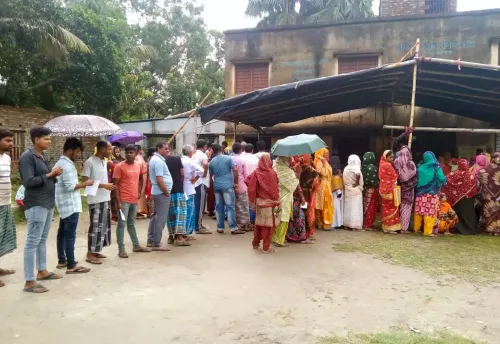
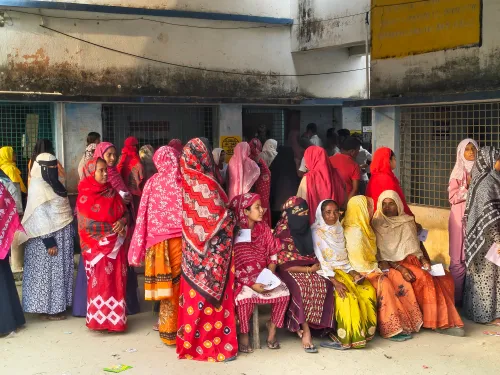
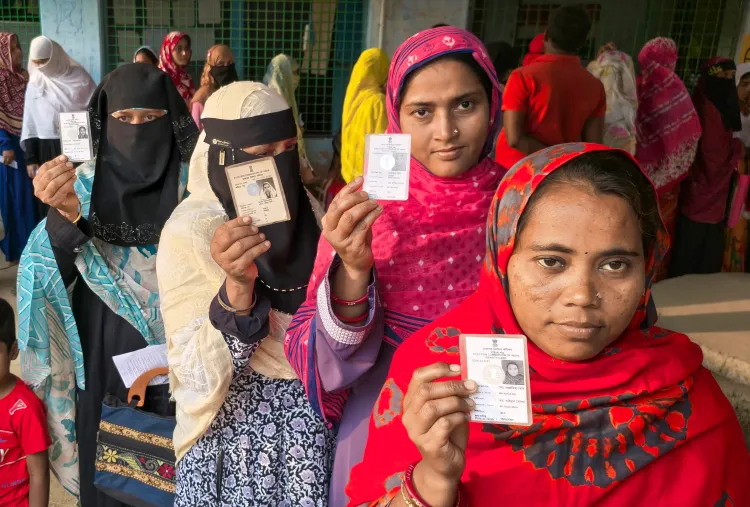
Re-polling ordered by the Election Commission of India (ECI) commenced at 15 polling booths across two Assembly constituencies in South 24 Parganas district, West Bengal, from 7 am IST on Saturday, 2 May. The exercise covers booths in Magrahat (Paschim) and Diamond Harbour constituencies, both of which had polled in the second phase of the West Bengal Assembly elections on 29 April.
Which Booths Are Covered
Of the 15 booths under re-poll, 11 are located in Magrahat (Paschim) — booths numbered 46, 126, 127, 128, 142, 214, 215, 216, 230, 231, and 232. The remaining four are in Diamond Harbour — booths 117, 179, 194, and 243. Polling is scheduled to continue until 6 pm, with the provision that voting will extend until the last voter in queue has cast their ballot.
Voter Turnout and Security Arrangements
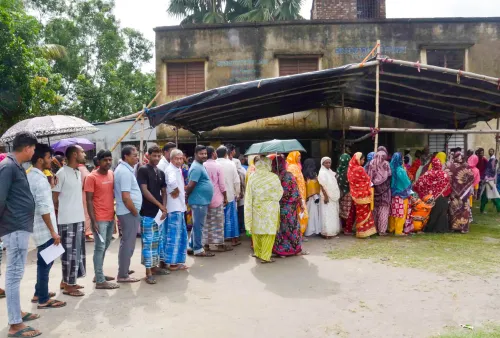
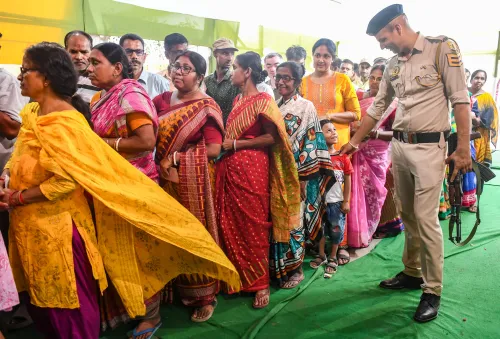
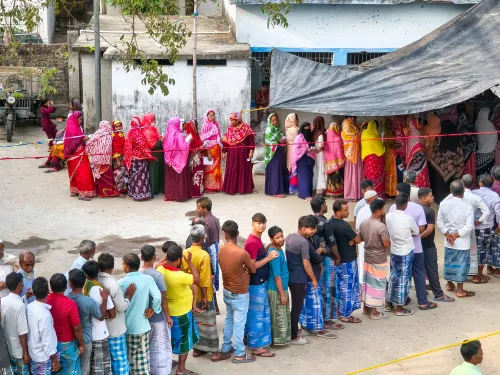
Long queues were reported outside polling booths from the very first hour of voting on Saturday. Security arrangements for the re-poll are reportedly as elaborate as those deployed during the two main phases held on 23 April and 29 April. The ECI has retained 700 companies of Central Armed Police Forces (CAPF) in West Bengal till further orders, a measure specifically aimed at preventing post-poll violence of the kind witnessed after the 2021 West Bengal Assembly elections.
More Booths May Follow
According to insiders from the office of the Chief Electoral Officer (CEO), West Bengal, the ECI-appointed special poll observer for West Bengal, Subrata Gupta, had also recommended re-polling for 30 polling booths under Falta Assembly constituency in the Diamond Harbour subdivision of South 24 Parganas. However, the Commission is yet to convey any decision on that recommendation.
Counting Day: What to Expect
Votes will be counted on 4 May, with results to be declared on the same day. The number of counting centres has been reduced to 77 to enable tighter security concentration. Entry to counting centres will require a three-stage verification process for authorised electoral officers, staff, political party agents, and candidates. The first two stages involve manual identity card checks, while the third stage requires QR code verification. The measures reflect heightened sensitivity around the electoral process in the state.
Point of View
And that the Commission has acted on only 15 so far, raises a legitimate question: what threshold of irregularity triggers a full re-poll versus a partial one? The answer, and the ECI's eventual decision on the Falta booths, will define how credible this election's mandate is perceived to be.
NationPress
23 Sept 2026
Frequently Asked Questions
Why is re-polling being held in South 24 Parganas?
The Election Commission of India ordered re-polling at 15 booths in South 24 Parganas following irregularities identified during the second phase of the West Bengal Assembly elections held on 29 April. The re-poll covers booths in Magrahat (Paschim) and Diamond Harbour constituencies.
Which booths are included in the re-poll on 2 May?
Re-polling is being held at booths 46, 126, 127, 128, 142, 214, 215, 216, 230, 231, and 232 in Magrahat (Paschim), and booths 117, 179, 194, and 243 in Diamond Harbour — 15 booths in total.
When will the results of the West Bengal Assembly elections be declared?
Counting of votes is scheduled for 4 May, with results to be declared on the same day. The process will take place across 77 counting centres with a three-stage identity verification system.
What is the status of re-polling at Falta Assembly constituency?
ECI-appointed special poll observer Subrata Gupta recommended re-polling at 30 booths in Falta Assembly constituency under Diamond Harbour subdivision. However, the Election Commission has not yet issued a decision on this recommendation.
Why has the ECI retained 700 CAPF companies in West Bengal?
The ECI retained 700 companies of Central Armed Police Forces in West Bengal till further orders to prevent post-poll violence, citing the violence that followed the 2021 West Bengal Assembly elections as a key concern.