CM Revanth Reddy hails Telangana cadre at Vote Bachao rally
Synopsis
Telangana CM A. Revanth Reddy praised thousands of Congress workers who attended the Vote Bachao Desh Bachao rally at Ramlila Maidan, invoking Ambedkar and the Constitution to frame the event as a stand against alleged vote theft and democratic erosion.
Key Takeaways
Revanth Reddy lauded Congress cadre who attended the #VoteBachaoDeshBachao rally at Ramlila Maidan, Delhi on November 1, 2026 .
He alleged that attempts were made to disrupt workers' travel to Delhi, but the cadre's determination held firm.
The rally's ideological anchor was Dr.
Ambedkar and the constitutional right to universal adult suffrage, guaranteed since 1950 .
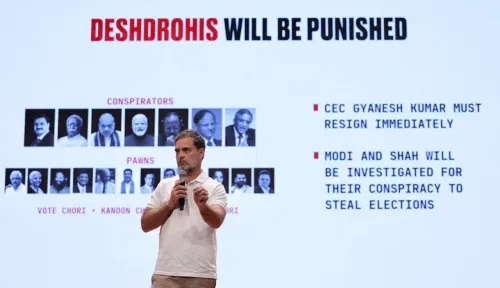
Revanth Reddy used the Ramayana's Vanara Sena analogy to frame Congress as defenders of democracy against 'vote theft.' The hashtag #votechori (vote theft) signals Congress intends to contest the integrity of the electoral process, not just policy differences.
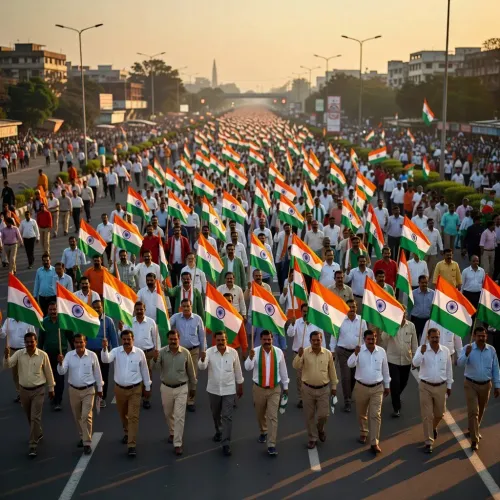
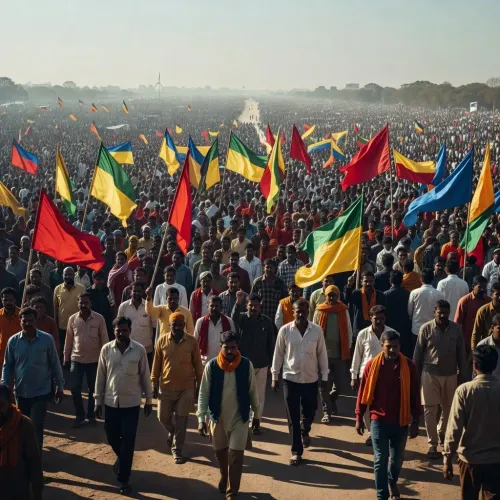
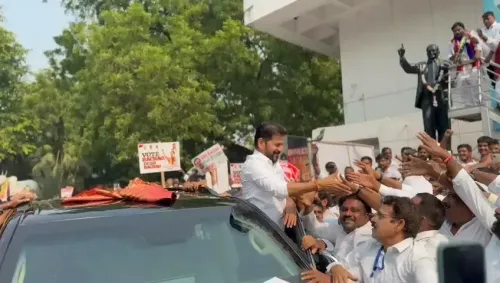
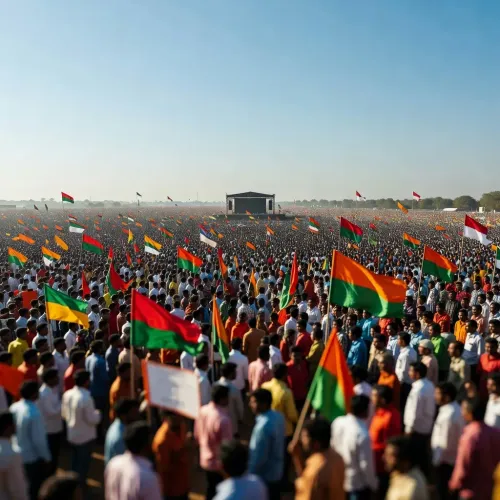
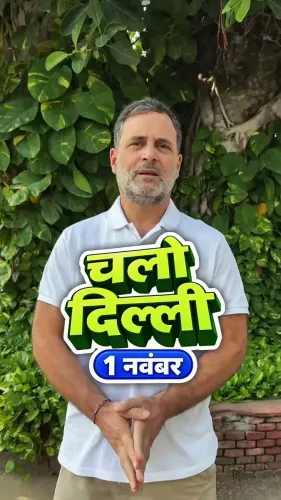
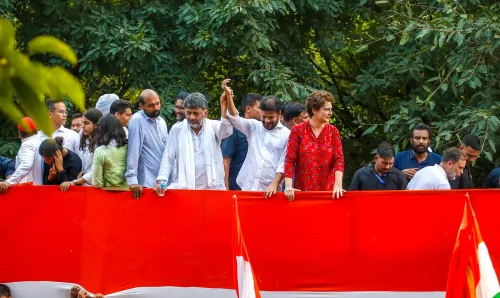
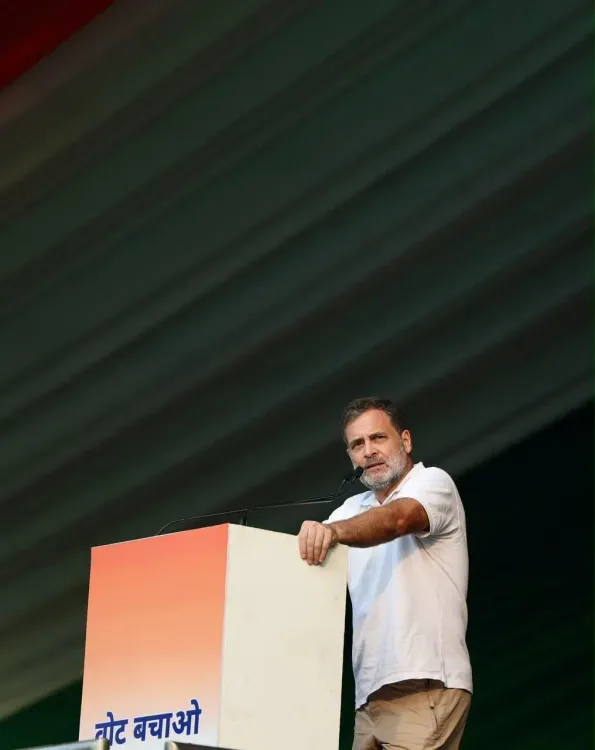
Thousands of Congress workers from Telangana converged on Ramlila Maidan in Delhi for the #VoteBachaoDeshBachao rally — and Telangana Chief Minister A. Revanth Reddy made sure the moment was not understated. In a post on Sunday, November 1, 2026, he praised the cadre's resolve, saying their presence was 'a powerful testament to Telangana's fighting spirit and its commitment to safeguarding democracy.'
A march that faced resistance — and came anyway
Revanth Reddy did not mince words about the obstacles his party workers reportedly faced. 'Despite attempts to disrupt their journey and prevent them from reaching Delhi, the determination of our cadre remained unshaken,' he wrote. The claim of organised disruption is significant: it frames the rally not merely as a protest march but as an act of defiance against what the Congress leadership portrays as deliberate suppression of political mobilisation. The specific nature of the alleged disruptions was not detailed in the post and remains unverified.
Ambedkar, the Constitution, and the right to vote
The ideological anchor of the rally, as Revanth Reddy laid it out, is Dr. B.R. Ambedkar — the principal architect of the Constitution of India, adopted on 26 November 1949 and brought into force on 26 January 1950. Universal adult suffrage, which Ambedkar championed through the Constituent Assembly, is what the Congress is now invoking as the battle line. 'The right to vote, guaranteed by Babasaheb Dr. B.R. Ambedkar through our Constitution, is the foundation of our democracy,' Revanth Reddy wrote. Invoking Ambedkar is a deliberate move: it broadens the appeal beyond party faithful to Dalit communities and constitutionalist voters who regard him as a founding moral authority.
The Vanara Sena frame: mythology enters the political battlefield
'Like the Vanara Sena stood with Lord Rama in the fight against Ravana, our Congress family will stand united in the fight against vote theft and those undermining democratic institutions,' Revanth Reddy wrote. The Ramayana analogy is a recurring device in Indian political messaging — used here to position the Congress as righteous defenders against an unnamed but unmistakable adversary. It is an aggressive rhetorical choice, casting the ruling dispensation in the role of a mythological villain without naming them directly. The language of '#votechori' (vote theft) escalates further, signalling that the party intends to contest not just policies but the integrity of the electoral process itself.
Ramlila Maidan and the weight of the venue
Ramlila Maidan carries its own political symbolism — a historic open ground in central Delhi that has hosted defining moments of Indian public life, from independence-era gatherings to mass protests. The choice of venue is rarely accidental. For the Congress, staging a democracy-defence rally at a ground steeped in popular memory is as much a statement as the speeches delivered there. Revanth Reddy's sign-off — 'Let us protect every vote. Let us defend the Constitution. Let us save our democracy.' — reads less like a conclusion and more like an opening salvo in what the party is framing as a prolonged electoral battle.
Point of View
Revanth Reddy broadens the ideological tent beyond traditional Congress voters. The Ramayana framing, meanwhile, signals a willingness to contest the BJP on cultural symbolism — a terrain the ruling party has long dominated. Whether the rally's momentum translates into concrete electoral or legal challenges to voting procedures will determine if this is genuine democratic mobilisation or high-decibel theatre.
NationPress
1 Nov 2026
Frequently Asked Questions
What is the Vote Bachao Desh Bachao rally?
The Vote Bachao Desh Bachao rally is a Congress-organised event held at Ramlila Maidan in Delhi to protest alleged electoral irregularities and defend constitutional voting rights.
Why did Revanth Reddy praise Telangana Congress workers?
Telangana CM A. Revanth Reddy praised the workers because thousands travelled to Delhi for the rally despite reported attempts to disrupt their journey, which he called a testament to their determination.
What is the significance of invoking B.R. Ambedkar at the rally?
Dr. B.R. Ambedkar was the principal architect of India's Constitution and championed universal adult suffrage. Invoking him broadens the Congress appeal to Dalit communities and constitutionalist voters.
What does 'votechori' mean in the context of the rally?
'Votechori' means vote theft in Hindi. Congress used the hashtag to allege that democratic processes and electoral integrity are being undermined by the ruling dispensation.
Why was Ramlila Maidan chosen for the Congress democracy rally?
Ramlila Maidan is a historic public ground in central Delhi associated with major political and public gatherings, lending symbolic weight to the Congress rally on democratic rights.