Rijiju Inaugurates Tagi Raja War Memorial in West Kameng
Synopsis
Union Minister Kiren Rijiju inaugurated the Tagi Raja War Memorial Park at Gohainthan in West Kameng, Arunachal Pradesh, honouring the tribal warrior and freedom fighter as part of the government's broader push to integrate Northeast tribal histories into India's national narrative.
Key Takeaways
Kiren Rijiju inaugurated the Tagi Raja War Memorial Park at Gohainthan, West Kameng on October 25, 2026 .
Tagi Raja is recognised as a tribal warrior who led resistance against colonial forces in what is now Arunachal Pradesh.
West Kameng borders both Bhutan and China , giving the memorial strategic as well as cultural significance.
The inauguration aligns with the central government's Azadi Ka Amrit Mahotsav initiative, which since 2021 has focused on commemorating tribal and regional freedom fighters.
Similar memorials and commemorations have been established for regional figures in Nagaland and Mizoram over the past decade.
Rijiju framed Tagi Raja as 'not only a great warrior but an inspirational Tribal freedom fighter,' signalling a broader push to centre Northeast histories in India's freedom struggle narrative.
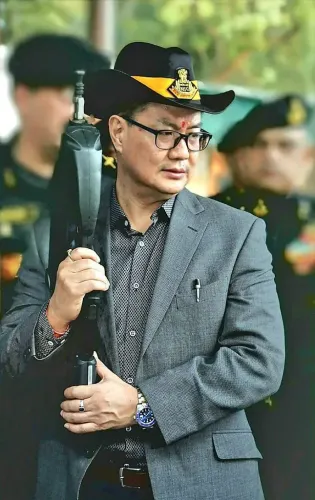
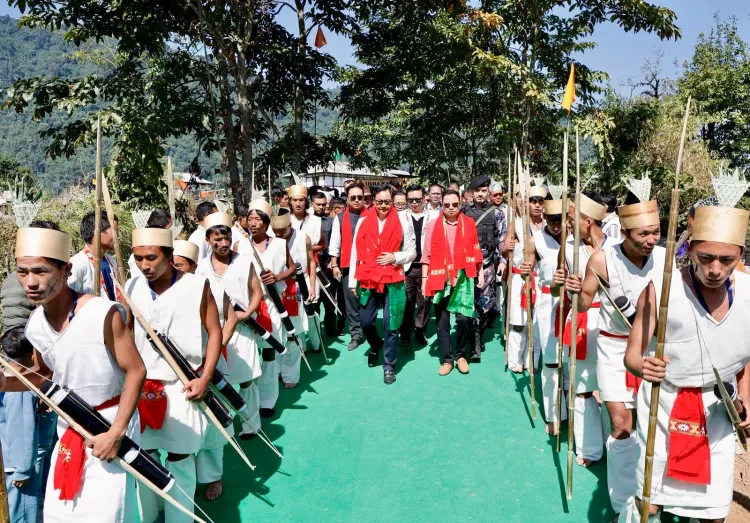
A tribal warrior who once stood against colonial forces now has a permanent place in Arunachal Pradesh's landscape. Union Parliamentary Affairs Minister Kiren Rijiju on Sunday, October 25, 2026, inaugurated the Tagi Raja War Memorial Park at Gohainthan in West Kameng district, calling the moment 'historic' and honouring Tagi Raja as both a great warrior and an inspirational tribal freedom fighter.
Who Was Tagi Raja — and Why This Memorial Matters
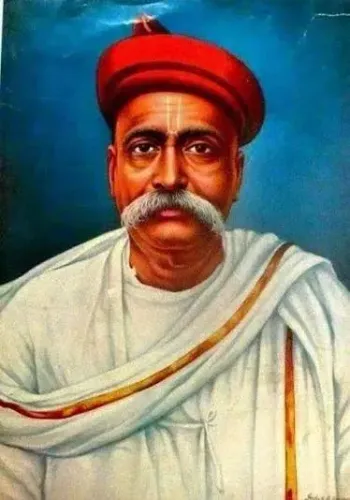
Tagi Raja is recognised in Arunachal Pradesh's historical memory as a tribal leader who led resistance against colonial forces. His story belongs to a chapter of India's freedom struggle that was long written in the margins — regional, oral, and largely absent from mainstream national narratives. Rijiju's inauguration speech described him as 'not only a great warrior but an inspirational Tribal freedom fighter,' framing the memorial as an act of long-overdue national acknowledgement.
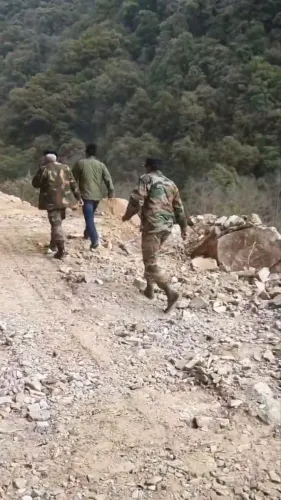
West Kameng is no ordinary district — it shares borders with both Bhutan and China, making it a zone of strategic sensitivity as well as deep cultural heritage. Establishing a war memorial park at Gohainthan here carries weight well beyond ceremony.
Azadi Ka Amrit Mahotsav and the Push to Reclaim Tribal Histories
This inauguration fits a deliberate pattern. Since 2021, the central government's Azadi Ka Amrit Mahotsav initiative has systematically sought to bring tribal and regional freedom fighters — long overlooked in textbook histories — into the national commemoration framework. Memorials, cultural parks, and institutional recognition have been extended to figures in Nagaland, Mizoram, and other northeastern states over the past decade.
Rijiju, himself a senior BJP leader from Arunachal Pradesh, has been a consistent voice for integrating the Northeast's distinct historical experience into the broader Indian freedom struggle story. The Tagi Raja Memorial Park is both a cultural landmark and a political signal — that the stories of border communities count in the national ledger.
What Gohainthan Gains
For the tribal communities of West Kameng and the residents of Gohainthan, the park represents something concrete: a space of pride, memory, and identity in a district that has historically operated at the edge of national attention. Memorial infrastructure in border regions also carries soft-power value — reinforcing cultural connectivity at a frontier where India's civilisational roots matter as much as its strategic boundaries.
Rijiju's presence at the inauguration — as a Union minister, not merely a local MP — underscores the centrality the government is assigning to this recognition.
A warrior once remembered only in local lore now stands commemorated in stone and park — and the Northeast's freedom fighters are, one memorial at a time, being written into history where they always belonged.
Point of View
Plural story — with tribal and northeastern figures moving from footnote to foreground. For Rijiju, the event carries dual purpose: reinforcing his own political identity as a champion of Arunachal's heritage while advancing a BJP cultural agenda that ties border communities more tightly to the national mainstream. The choice of West Kameng — a district that faces both Bhutan and China — also signals that memorialisation in frontier zones is never purely symbolic. Watch for follow-up parliamentary references to similar projects elsewhere in the Northeast as the government deepens this commemorative infrastructure ahead of future legislative sessions.
NationPress
25 Oct 2026
Frequently Asked Questions
Where is the Tagi Raja War Memorial Park located?
The Tagi Raja War Memorial Park is located at Gohainthan in West Kameng district, Arunachal Pradesh, a border region adjoining Bhutan and China.
Who inaugurated the Tagi Raja War Memorial Park?
Union Parliamentary Affairs Minister and Minister of Minority Affairs Kiren Rijiju inaugurated the park on October 25, 2026.
What is Azadi Ka Amrit Mahotsav and how does this memorial connect to it?
Azadi Ka Amrit Mahotsav is a central government initiative launched in 2021 to commemorate India's 75th year of independence, with a specific focus on recognising tribal and regional freedom fighters. The Tagi Raja memorial is part of this broader push to integrate Northeast tribal histories into the national narrative.
Why is West Kameng significant?
West Kameng is a strategically sensitive district in Arunachal Pradesh that shares borders with both Bhutan and China. It is also a region of deep cultural and historical heritage for its tribal communities.