How is RJD's Manoj Jha Advocating for Gig Workers' Rights?
Synopsis
RJD MP Manoj Kumar Jha has reached out to PM Modi, advocating for the protection of gig workers' rights amidst growing concerns of exploitation. His letter addresses key issues affecting millions and urges government intervention for a fairer labor landscape.
Key Takeaways
Manoj Jha advocates for gig workers' rights to PM Modi.
Growing exploitation and poor working conditions are issues.
Nationwide strike reflects workers' dissatisfaction.
Calls for legal recognition and protections for gig workers.
Need for reforms in the gig economy to ensure justice.
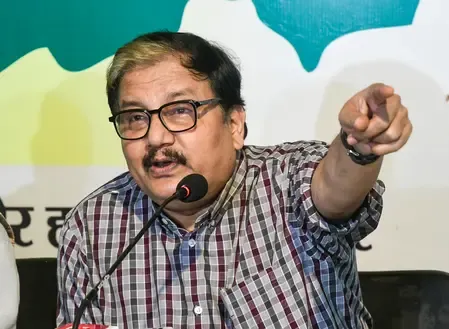
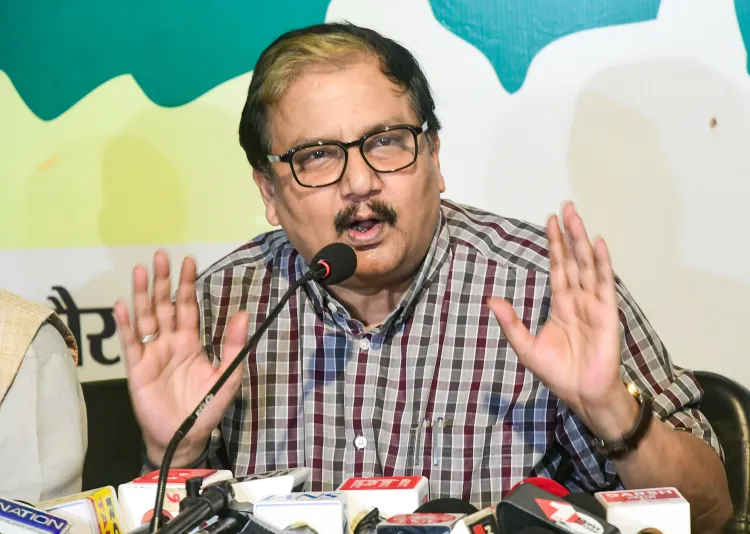
Patna, December 31 (NationPress) RJD Rajya Sabha MP Manoj Kumar Jha has addressed a letter to Prime Minister Narendra Modi, calling for urgent action to safeguard the rights of gig and platform delivery workers amidst escalating exploitation concerns.
In his correspondence, the RJD representative emphasized that he voices the collective concerns of millions of gig and platform delivery workers across India, who are grappling with a worsening crisis due to deteriorating working conditions and systematic infringement of fundamental labor rights.
Referring to the nationwide flash strike that occurred on December 25, 2025, Jha pointed out that this protest significantly disrupted services in major cities, including Delhi, Karnataka, Hyderabad, and Mumbai.
He noted that the strike was not an impulsive act but a desperate reaction to ongoing exploitation, plummeting incomes, precarious work models, and the lack of effective grievance redressal mechanisms.
Jha criticized that instead of engaging in meaningful dialogue, numerous platform companies resorted to arbitrary tactics, including blocking worker IDs, enforcing algorithmic penalties, threatening account deactivations, pressuring peaceful protesters with police involvement, and employing agencies to dismantle the strike.
He described these measures as a blatant assault on workers' constitutional rights to organize and voice dissent.
Highlighting the nature of gig work, Jha pointed out that workers are subjected to perilous and inhumane delivery models, such as 10-minute deliveries, excessive working hours without sufficient rest, and declining per-order payments. He further alleged that platform companies exert total algorithmic control with a lack of transparency and accountability, while shifting business risks—including accidents, health hazards, fuel costs, and vehicle maintenance—entirely onto workers, despite labeling them as “partners” rather than employees.
The RJD MP also expressed broader societal concerns, referencing an analysis by Prabir Kumar Chandopadhyay, which indicates that the culture of quick delivery is not solely demand-driven but is actively changing consumer behavior.
He cautioned that the increasing reliance on instant delivery is eroding self-reliance, planning skills, and productivity among the youth, while heightening pressure on workers and fostering a culture of instant gratification.
In light of these issues, Jha urged the Prime Minister to take decisive action and consider a series of recommendations, including integrating platform companies under existing labor laws, officially recognizing gig and platform workers as individuals with enforceable rights, banning unsafe delivery practices like 10-minute deliveries, ceasing arbitrary ID blocks and algorithmic penalties with due process and appeal rights, implementing a fair and transparent wage structure with a guaranteed minimum wage tied to hours worked and actual costs, providing comprehensive social security including health insurance, accident coverage, disability benefits, and pensions, regulating algorithmic management to ensure transparency, non-discrimination, and accountability, and safeguarding the right to unionize and engage in collective bargaining without fear of retribution.
In concluding his letter, Jha remarked that the nationwide strike reflects mounting anger and dissatisfaction among gig workers.
He emphasized that the gravity of the situation necessitates immediate government intervention to ensure that India’s digital economy is founded on principles of justice, security, and dignity, rather than what he characterized as an architecture of exploitation.
The RJD leader called for a significant initiative towards enacting a comprehensive national law to protect gig and platform workers throughout the nation.
Point of View
The call for intervention by Manoj Kumar Jha reflects a critical moment for gig workers in India. Their rights and welfare are essential for a balanced economy, and addressing their concerns is vital for sustainable growth. The demand for legal recognition and protection is not just a labor issue; it's a broader societal concern that requires immediate attention.
NationPress
22 Sept 2026
Frequently Asked Questions
What are gig workers?
Gig workers are individuals who work on a freelance or short-term basis, often through online platforms, providing services like delivery, ridesharing, and more.
Why is Manoj Jha addressing PM Modi?
Manoj Jha is urging PM Modi to protect gig workers’ rights and address their exploitation as they face deteriorating working conditions and lack of legal protections.
What happened during the nationwide strike?
The nationwide strike on December 25, 2025, significantly disrupted delivery services across major cities, highlighting the workers’ grievances about their treatment.
What demands are being made for gig workers?
Demands include recognition of gig workers as employees, implementation of fair wages, social security benefits, and regulation of platform companies.
How does the gig economy impact society?
The gig economy influences consumer behavior, self-reliance, and productivity, raising concerns about the long-term implications for workers and society at large.