Sabarimala scam shadow: Did Devasom portfolio cost CPI(M) two ministers in Kerala 2026?

Synopsis
Two CPI(M) ministers who consecutively held Kerala's Devasom portfolio — overseeing Sabarimala — lost their seats in the 2026 Assembly elections. With the opposition having weaponised the Sabarimala gold scam allegations throughout the campaign, the back-to-back defeats are forcing a reckoning over whether temple administration controversies cost the Left more than just two constituencies.
Key Takeaways
Kadakampally Surendran (Devasom Minister, 2016–21 ) lost in Kazhakootam to BJP's V.
Vasavan (Devasom Minister, 2021–26 ) lost his home turf to Congress debutant Natakam Suresh .
Both the BJP and Congress used the alleged Sabarimala gold scam as a key campaign plank against the Left government.
The Left Democratic Front (LDF) lost the 2026 Kerala Assembly elections to the United Democratic Front (UDF) .
Analysts note anti-incumbency and local factors also contributed, but the symbolic weight of two consecutive Devasom ministers losing is hard to ignore.
Two senior CPI(M) leaders who served as Devasom Ministers in Kerala lost their seats in the 2026 Kerala Assembly elections, triggering questions in political circles about whether controversies surrounding Sabarimala Temple administration played a decisive role in their defeats. The back-to-back losses of ministers directly linked to temple oversight have made the Sabarimala gold scam allegations a defining post-poll talking point in Thiruvananthapuram.
The Two Defeats That Sparked the Question
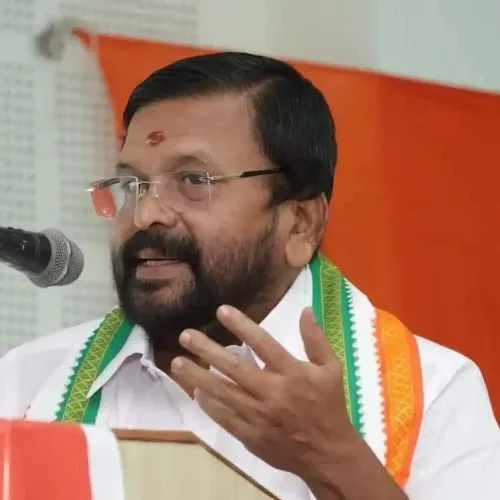
Kadakampally Surendran, who served as Devasom Minister during the Left's first term (2016–21), was seeking a hat-trick of victories from Kazhakootam. He was defeated by senior Bharatiya Janata Party (BJP) leader V. Muraleedharan. In a parallel upset, V.N. Vasavan, who held the Devasom portfolio in the second term (2021–26), lost in his home turf to debutant Indian National Congress (Congress) leader Natakam Suresh. Both ministers had overseen the administration of Sabarimala and other temples under the Pinarayi Vijayan government across its two consecutive terms.
How the Sabarimala Narrative Shaped the Campaign
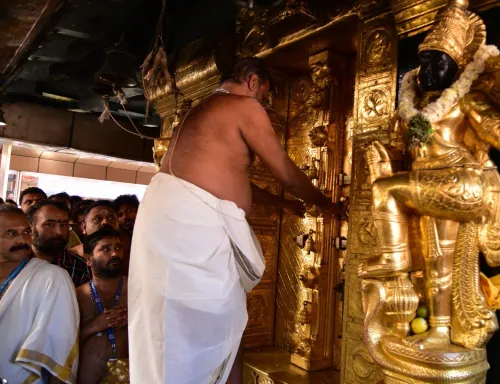
Both the Congress and the BJP aggressively raised the alleged Sabarimala gold scam as a key poll plank, targeting not just the two ministers but the Left government as a whole. The issue reportedly resonated well beyond individual constituency boundaries, feeding into a broader perception battle over the government's handling of temple affairs. Sabarimala has long been more than a religious centre — it is an emotional and political touchstone in Kerala, and any controversy linked to it tends to ripple across the state's electorate. Opposition parties appeared to have successfully tapped into that sentiment, turning administrative questions into political liabilities for those directly associated with the Devasom portfolio.
Local Factors vs. the Sabarimala Effect
Political analysts caution against attributing the defeats solely to the Sabarimala narrative. Anti-incumbency and hyper-local factors certainly played a part in both constituencies. Notably, Kazhakootam has seen shifting voter demographics, while Vasavan's constituency had its own internal dynamics. Yet the simultaneity of two Devasom-linked defeats in the same election cycle is difficult to dismiss as pure coincidence, particularly given how consistently the opposition deployed the temple scam angle across the campaign.
What It Means for the Left Front
For the CPI(M) and the broader Left Democratic Front (LDF), the losses raise uncomfortable questions about the electoral cost of managing sensitive religious institutions. In Kerala's deeply layered political landscape, where faith and governance frequently intersect, the verdict suggests that narratives built around belief and institutional trust can carry significant electoral weight. The defeats add to the Left's post-poll reckoning as the party assesses what went wrong after losing power to the United Democratic Front (UDF).
What Happens Next
With the new government set to take charge, the Devasom portfolio and the pending questions around the Sabarimala gold scam allegations are expected to return to the legislative spotlight. Whether the incoming administration orders a formal inquiry into the alleged irregularities will be closely watched, both by devotees and by a political opposition eager to press its advantage.
Point of View
Cross-constituency campaign that kept the Sabarimala issue alive from nomination day to counting day. For the CPI(M), the lesson may be that in a state where temple politics and identity politics are inseparable, administrative controversies around revered shrines carry an electoral half-life far longer than the news cycle.
NationPress
19 Sept 2026
Frequently Asked Questions
Who are the two Devasom Ministers who lost in the 2026 Kerala Assembly elections?
The two ministers are Kadakampally Surendran, who served as Devasom Minister from 2016 to 2021, and V.N. Vasavan, who held the portfolio from 2021 to 2026. Both are senior CPI(M) leaders who lost their respective seats in the 2026 Kerala Assembly elections.
What is the Sabarimala gold scam?
The Sabarimala gold scam refers to allegations of financial irregularities in the administration of Sabarimala Temple, raised by opposition parties — the BJP and Congress — against the Pinarayi Vijayan-led Left government. The specific details of the alleged scam were used as a campaign issue during the 2026 Kerala Assembly elections, though the matter is reportedly yet to be fully adjudicated.
Did the Sabarimala issue alone cause the Left's defeat in Kerala?
Political analysts suggest the defeats were shaped by a combination of anti-incumbency, local factors, and the Sabarimala controversy. However, the fact that both ministers directly linked to the Devasom portfolio lost in the same election cycle has made the Sabarimala narrative a central part of post-poll analysis.
Who defeated Kadakampally Surendran and V.N. Vasavan?
Kadakampally Surendran was defeated by BJP's V. Muraleedharan in Kazhakootam, while V.N. Vasavan lost to Congress debutant Natakam Suresh in his home constituency.
What happens to the Sabarimala scam allegations under the new Kerala government?
With the United Democratic Front (UDF) set to form the new government, the Sabarimala gold scam allegations are expected to return to the legislative spotlight. Whether the incoming administration orders a formal inquiry will be closely watched by both devotees and the political opposition.