Saket building collapse: Amicus flags MCD failures before Supreme Court, seeks audit of Delhi structures
Synopsis
The Saket building collapse — six dead, 14 injured — wasn't just a structural failure. An amicus curiae has told the Supreme Court that the MCD had over a decade of documented violations on record, that its own counsel reportedly told the Delhi High Court no construction was ongoing just weeks before the collapse, and that the suspensions that followed are 'cosmetic'. The apex court's response could set the template for municipal accountability across India.
Key Takeaways
Amicus curiae Senior Advocate Ajit Kumar Sinha filed a status report before the Supreme Court on 8 June flagging the Saket building collapse .
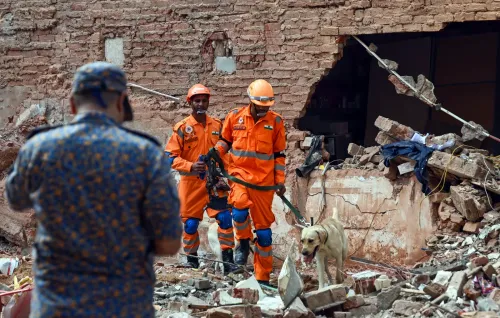
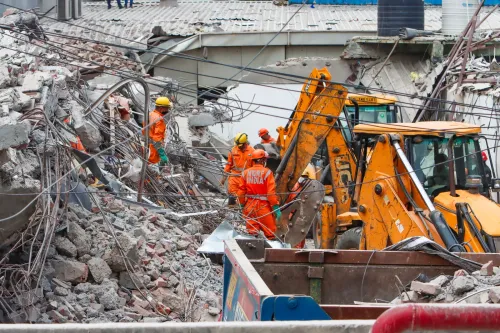
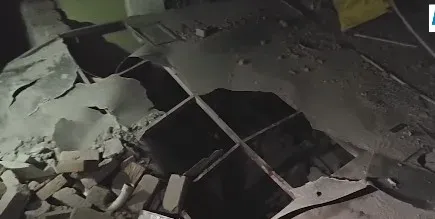
The collapse at 261, Western Marg, Saidulajab killed six persons and injured 14 .
Municipal records show the structure was booked for unauthorised construction as far back as 2012 ; violations persisted through 2015 and beyond with no effective action.
MCD counsel allegedly told the Delhi High Court earlier this year that 'no construction whatsoever' was ongoing — the building collapsed less than two months later.
The amicus has sought a structural audit of all MCD-jurisdiction buildings, time-bound demolitions, and affidavits on compensation to victims' families.
The Supreme Court had previously warned of a looming 'major mishap' in Lajpat Nagar and Sarojini Nagar due to unsafe structures.
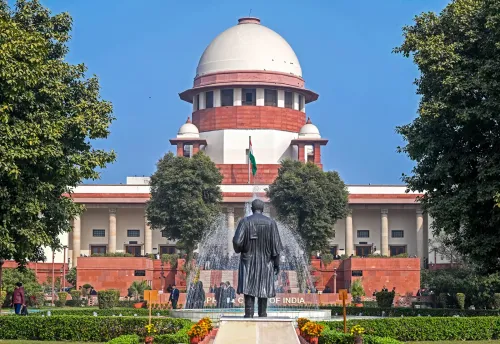
The Supreme Court has been apprised of the collapse of an illegally constructed five-storeyed building in Delhi's Saket area, which claimed six lives and left 14 persons injured, with amicus curiae Senior Advocate Ajit Kumar Sinha arguing that the tragedy was a direct consequence of years of unchecked unauthorised construction and alleged systemic failure by the Municipal Corporation of Delhi (MCD). The status report, filed on 8 June in ongoing pan-India proceedings on building bye-law violations, calls for sweeping directions against the civic body.
A Decade of Violations, No Action
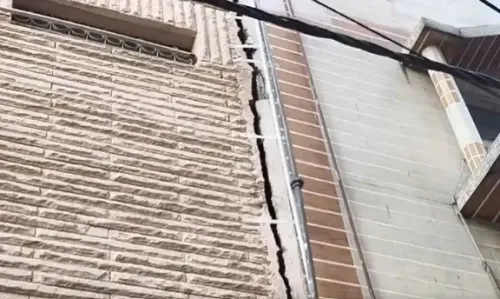
The building, located at property number 261, Western Marg, Saidulajab, New Delhi, had been repeatedly flagged for unauthorised construction since 2012, according to municipal records cited in the report. The basement, ground floor, and first floor were booked for violations in 2012, and the second and third floors were similarly booked in 2015. The fourth and fifth floors were allegedly added recently, ultimately triggering the collapse. Despite repeated detection of violations, no effective demolition or sealing action was taken by the MCD, the amicus curiae contended.
MCD's Alleged False Statement to Delhi High Court
The report details a troubling sequence of judicial proceedings. In 2020, the building's owner approached the Delhi High Court alleging the South Delhi Municipal Corporation sought demolition without prior notice; the court directed the civic body to hear the owner first. A subsequent petition flagging inaction was disposed of after the corporation undertook to act if unauthorised construction was found. Earlier this year, one Abdul Sakir filed a petition before the Delhi High Court specifically seeking action against alleged unauthorised construction at the same site. Counsel for the MCD reportedly told the court that 'no construction whatsoever is going on in the subject property' and characterised the dispute as private — a statement the amicus curiae says led to the petition's dismissal. The building collapsed less than two months later. 'This false statement led to dismissal of the case which was filed by one Abdul Sakir pointing out illegal construction happening over the subject property,' the report stated.
Systemic Failure, Not an Isolated Incident
The amicus curiae argued that the illegal construction could not have continued since 2015 unless enforcement officials had 'turned a blind eye' to violations. The post-collapse suspension of an assistant engineer and a junior engineer was characterised in the report as a 'post-facto and cosmetic exercise' driven by public outrage rather than genuine accountability. This assessment aligns with the Supreme Court's own prior observations in the same proceedings, where the apex court had warned that areas including Lajpat Nagar and Sarojini Nagar risked a 'major mishap or calamity' due to structures built beyond permissible limits.
What the Amicus Has Sought
The status report urges the Supreme Court to direct the MCD to file a detailed affidavit on surveys conducted and action taken against illegal constructions across New Delhi. It also seeks a structural audit of all buildings under MCD jurisdiction, time-bound demolition or sealing of illegal structures, and a full explanation of how the five-storeyed structure was allowed to persist. Additionally, the amicus has called for action-taken reports from the Delhi government and Delhi Police — including disclosure of any alleged involvement of municipal officers — and an affidavit detailing compensation offered to the families of the deceased.
What Comes Next
The matter is part of a broader Supreme Court-monitored exercise examining building bye-law violations on a pan-India basis, giving any directions in this case potential national implications. With the apex court having already flagged dangerous structures across Delhi, the Saket collapse is likely to sharpen judicial scrutiny of municipal enforcement mechanisms — and of the accountability gap between repeated violations on record and the absence of remedial action on the ground.
Point of View
Litigated, and then administratively ignored. The most damaging detail in the amicus report is not the decade of inaction; it is the allegation that MCD counsel actively misled the Delhi High Court weeks before the structure fell. If that claim holds, it transforms this from a negligence case into one of potential contempt and obstruction. The Supreme Court's pan-India building-violations docket now has a concrete, lethal data point to anchor its directions — and the pressure to move beyond observations to enforceable compliance timelines has rarely been higher.
NationPress
19 Sept 2026
Frequently Asked Questions
What happened in the Saket building collapse in Delhi?
An illegally constructed five-storeyed building at 261, Western Marg, Saidulajab in Delhi's Saket area collapsed, killing six persons and injuring 14. The structure had been repeatedly flagged for unauthorised construction since 2012, but no effective action was taken by the MCD.
What has the amicus curiae sought from the Supreme Court?
Senior Advocate Ajit Kumar Sinha has urged the Supreme Court to direct the MCD to file an affidavit on action taken against illegal constructions, order a structural audit of all MCD-jurisdiction buildings, mandate time-bound demolitions, and seek action-taken reports from the Delhi government and Delhi Police, including on compensation to victims' families.
Why is the MCD being held responsible for the collapse?
The amicus curiae's report argues that the MCD had documented violations at the site since 2012 yet failed to seal or demolish the structure. It also alleges that MCD counsel told the Delhi High Court earlier this year that no construction was ongoing at the property — a claim the report says led to dismissal of a petition, with the building collapsing less than two months later.
What is the Supreme Court's broader role in this matter?
The Supreme Court has been monitoring pan-India violations of building bye-laws and land-use regulations. In the same proceedings, it had already warned that unsafe structures in Delhi localities including Lajpat Nagar and Sarojini Nagar risked a major mishap. The Saket collapse is the latest development placed before the court in these ongoing proceedings.
Were any officials held accountable after the collapse?
An assistant engineer and a junior engineer were suspended following the collapse. However, the amicus curiae characterised these suspensions as a 'post-facto and cosmetic exercise' in response to public outrage, arguing they do not address the systemic failure that allowed violations to continue for over a decade.