India flags peacekeeping priority in UNSC 2028-29 bid at UN debate
Synopsis
India is staking its UNSC 2028-29 campaign on peacekeeping credibility — and with 300,000 troops deployed across 50+ missions and 184 Blue Helmets killed in service, it has the numbers to back the pitch. But the real move is structural: New Delhi wants troop-contributors to have a formal say in mandate-setting, a reform that challenges the Council's unilateral authority and could redraw how the UN's most visible operations are governed.
Key Takeaways
India's Permanent Representative P.
Harish declared peacekeeping a central pillar of India's UNSC 2028-2029 non-permanent seat candidacy at a UN open debate on 18 September 2026 .
India has deployed nearly 300,000 troops across more than 50 UN missions — the largest troop-contributing record in peacekeeping history.
184 Indian peacekeepers have died in service as Blue Helmets.
India's campaign manifesto is named Shanti (Peace), standing for Securing Holistic Advancement through Norms, Trust and Integrity .
External Affairs Minister S.
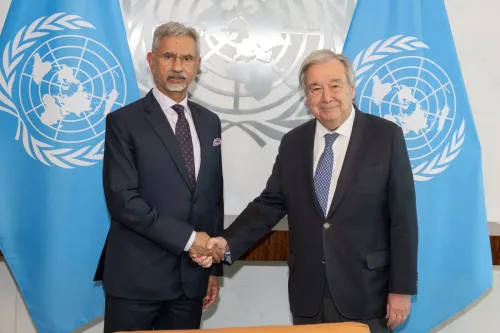
Jaishankar formally launched the candidacy at the UN in June 2026 ; the election is expected in 2027 .
UN Secretary-General António Guterres echoed India's calls for greater host-state consultation and a longer-term vision for peacekeeping deployments.
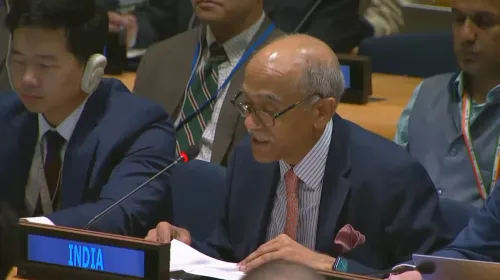
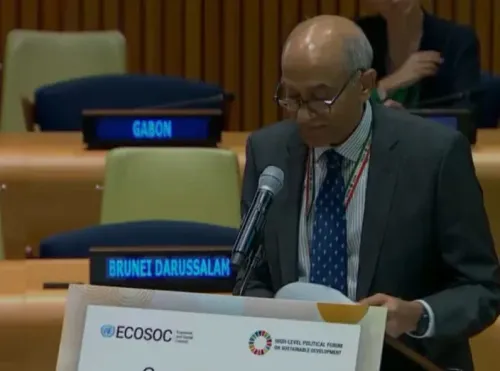
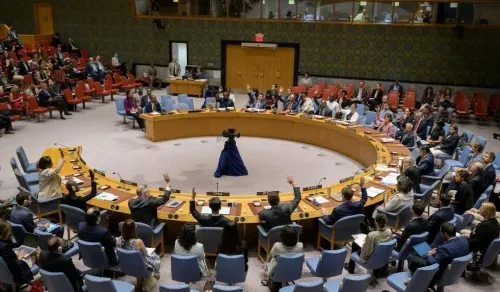
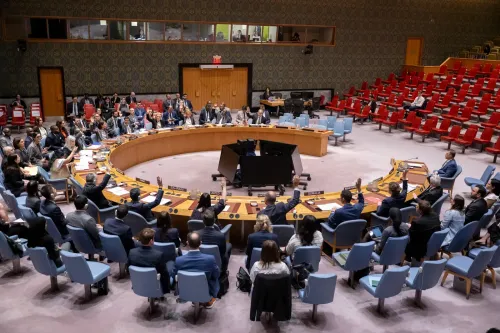
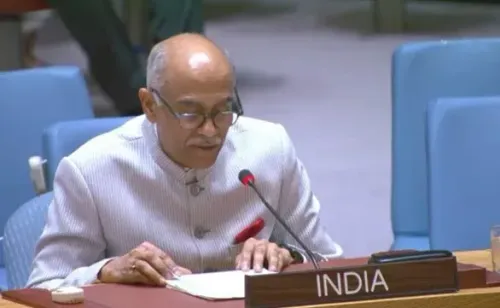
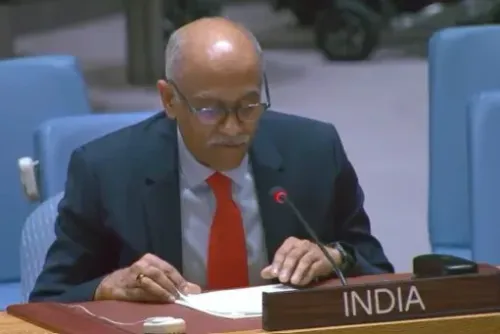
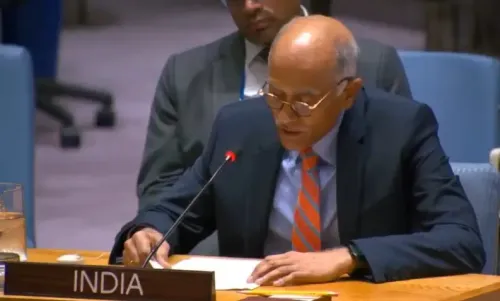
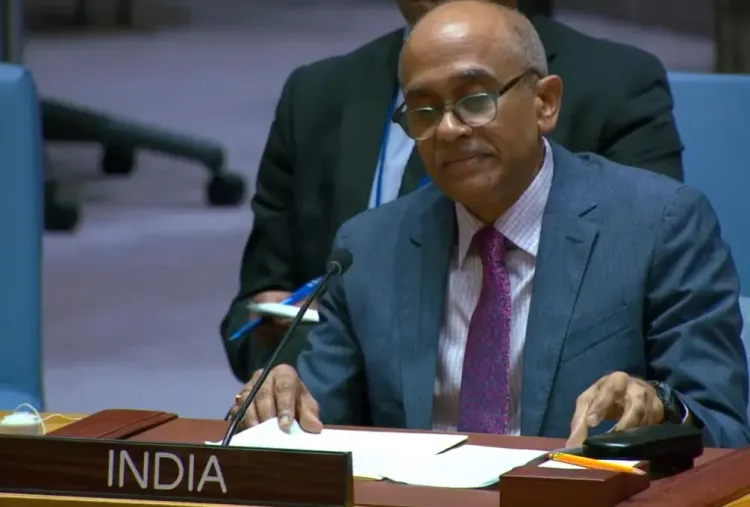
India has placed UN peacekeeping at the centre of its campaign for a non-permanent seat on the United Nations Security Council (UNSC) for 2028-2029, with Permanent Representative P. Harish reaffirming New Delhi's commitment to a better-resourced and more representative peacekeeping architecture at an open Security Council debate on 18 September 2026.
'Because we regard peacekeeping as irreplaceable to this Council's core purpose, India has made it a priority for our Security Council candidacy for 2028-2029,' Harish said at the debate held in New York.
India's Record as Top Troop Contributor
Harish anchored India's case in its unmatched operational track record. India has deployed nearly 300,000 troops across more than 50 missions — the largest troop contribution of any nation in UN peacekeeping history. 184 Indian peacekeepers have died in service as Blue Helmets.
'Our approach is shaped not by rhetoric but by their sweat and blood,' Harish said, drawing a direct line between India's sacrifices and its standing to speak on peacekeeping reform.
Key Reforms India Is Proposing
Beyond its candidacy pitch, India outlined concrete structural changes it believes would make peacekeeping more effective. Harish argued that troop- and police-contributing countries 'should have a structured voice in shaping mandates, through consultation before they are adopted or reviewed' — a significant shift from the current system in which the Security Council issues mandates unilaterally.
He also called for aligning host-state priorities with mission mandates so that operations do not become 'long-term auxiliary political instruments.' Missions, he said, must have 'a clear political process, with which this Council must stay engaged.'
On resource efficiency, Harish urged rationalising mandates to eliminate waste: 'Missions sustained on political life-support without operational rationale drain resources that are needed elsewhere and undermine the credibility of peacekeeping as a whole.'
The Shanti Manifesto and India's Candidacy
India's bid for the Asia Pacific regional seat was formally launched by External Affairs Minister S. Jaishankar at the United Nations in June 2026. The campaign manifesto, named Shanti — the Sanskrit word for peace — stands for Securing Holistic Advancement through Norms, Trust and Integrity. The election for the non-permanent seat is slated for 2027.
UN Secretary-General's Aligned Call
UN Secretary-General António Guterres echoed several of India's concerns at the same debate. Guterres stressed the need for a longer-term vision of goals before peacekeepers are deployed, and called for closer consultation with host countries, saying peace 'must be built from within — by the national actors, who hold the key.'
The convergence between India's reform agenda and the Secretary-General's remarks is notable and may bolster New Delhi's credibility among fence-sitting member states ahead of the election.
What Comes Next
With the UNSC non-permanent seat election expected in 2027, India will use upcoming multilateral forums — including the UN General Assembly high-level week — to consolidate support across the Asia Pacific group. The Shanti platform's emphasis on peacekeeping reform, troop-contributor consultation, and mandate rationalisation is designed to resonate with the Global South, which provides the bulk of Blue Helmet deployments but has historically had limited say in mandate-setting.
Point of View
Yet the Council members who control those mandates are unlikely to dilute their authority easily. The Shanti platform smartly aligns India with the Global South — which contributes most Blue Helmets but gets least say — turning a reform agenda into a coalition-building tool. The real test will be whether India's bilateral diplomacy before the 2027 election can convert sympathy into votes, especially among Asian members who may have competing candidacies or strategic ties to P5 bloc preferences.
NationPress
19 Sept 2026
Frequently Asked Questions
What is India's UNSC 2028-2029 candidacy about?
India is seeking a non-permanent seat on the United Nations Security Council for the term 2028-2029, representing the Asia Pacific regional group. External Affairs Minister S. Jaishankar formally launched the bid at the UN in June 2026, with peacekeeping reform as the campaign's central plank under a manifesto called Shanti.
What is India's record in UN peacekeeping?
India is the largest troop-contributing nation in UN peacekeeping history, having deployed nearly 300,000 troops across more than 50 missions. A total of 184 Indian peacekeepers have died in service as Blue Helmets.
What reforms is India proposing for UN peacekeeping?
India has called for troop- and police-contributing countries to have a structured voice in shaping mission mandates before they are adopted, closer alignment between host-state priorities and mission goals, and rationalisation of mandates to eliminate missions that lack operational justification and drain resources.
What does 'Shanti' stand for in India's UNSC campaign?
Shanti is the Sanskrit word for peace and serves as the name of India's UNSC campaign manifesto. It is an acronym for Securing Holistic Advancement through Norms, Trust and Integrity.
When will the election for India's UNSC seat be held?
The election for the non-permanent seat, for which India is campaigning under the Asia Pacific regional group, is expected to be held in 2027, with the winning country serving a two-year term from 2028 to 2029.