India slams UNSC reform deadlock, calls out 'select few' blocking progress
Synopsis
For the 17th consecutive cycle, UNSC reform talks have been deferred — and India is done being diplomatic about it. Permanent Representative P Harish invoked the Hindu concept of rebirth to mock the endless loop, while squarely blaming a 13-member bloc led by Italy and Pakistan for weaponising procedure to kill progress. The G4 and L69 are pushing hard for text-based negotiations in the 81st session, but structural obstruction remains firmly in place.
Key Takeaways
The UN General Assembly voted on 28 July to roll over UNSC reform negotiations to the 81st session (from September), marking the 17th consecutive deferral .
India's Permanent Representative P Harish accused a 'select few' countries of holding the process 'hostage' through 'narrow, divisive interests.' The Uniting for Consensus bloc — 13 members led by Italy , including Pakistan — has blocked adoption of a negotiating text, creating a structural deadlock.
The G4 ( India, Brazil, Japan, Germany ) and the L69 group both demanded text-based negotiations with defined timelines in the next session.
Japan's Permanent Representative Yamazaki Kazuyuki called it 'deeply regrettable' that the Elements Paper ignores majority support for expansion in both permanent and non-permanent Council categories.
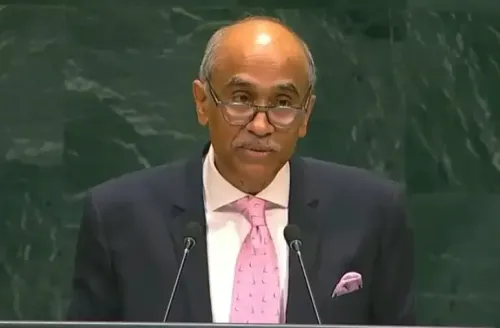
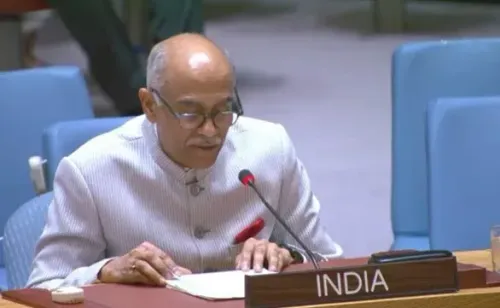
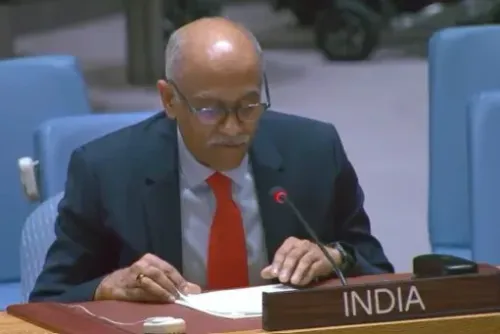
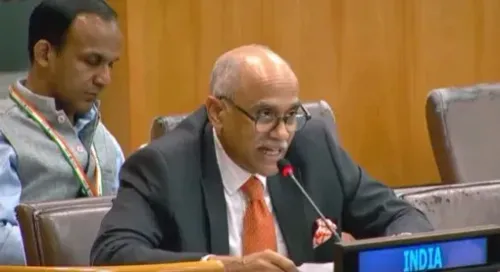
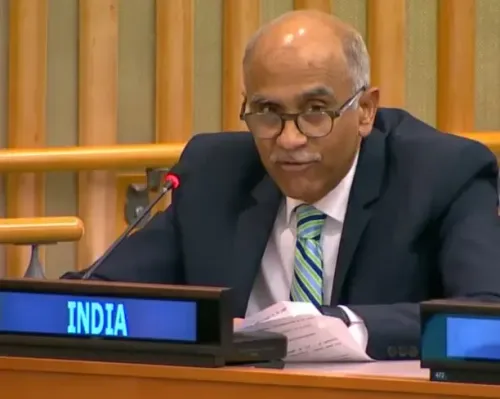
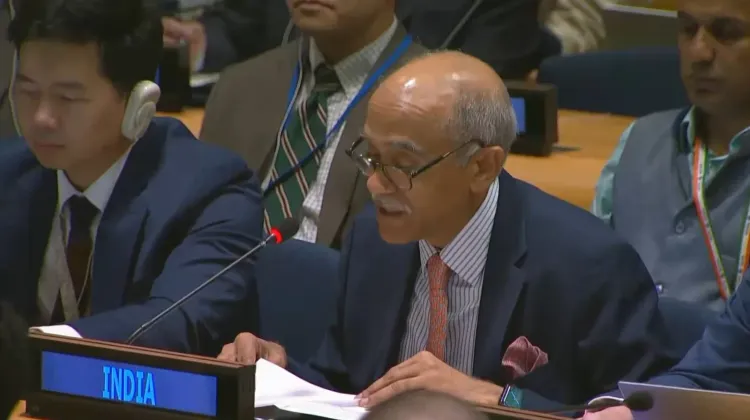
India on Tuesday, 28 July sharply criticised the continued stalling of United Nations Security Council (UNSC) reform negotiations, declaring that the process was being 'held hostage by the narrow, divisive interests of a select few' countries. The UN General Assembly, through a voice vote, once again rolled over the Inter-Governmental Negotiations (IGN) on Security Council reform to its 81st session, set to begin in September.
India's Blunt Rebuke at the General Assembly
India's Permanent Representative P Harish delivered a pointed address, invoking Indian philosophy to underscore the futility of the repeated deferrals. 'In Indian philosophy, it is said that a soul has to go through cycles of births and deaths, making incremental progress each time, before attaining liberation. The IGN have been through seventeen cycles already. Sadly, however, there is no liberation in sight. How much longer should the world wait?' he said.
Harish warned that the credibility of the UN itself was eroding with each passing session. 'Every session that we spend regurgitating our positions from the comfort of New York, the hope for a fit-for-purpose UN grows weaker in the real world,' he added, noting a 'palpable sense of disappointment among Member States and global citizenry' over the Security Council's inability to meaningfully intervene in global conflicts.
The Uniting for Consensus Bloc and Its Tactics
The reform process has been systematically obstructed by a 13-member bloc known as Uniting for Consensus (UfC), led by Italy and including Pakistan. The group deploys procedural manoeuvres to prevent the adoption of a negotiating text, creating a structural deadlock: progress toward consensus is impossible without a guiding text, yet the bloc refuses to allow one to be adopted. Critics argue this is a deliberate strategy to preserve the current composition of the Security Council.
G4 and L69 Push for Text-Based Negotiations
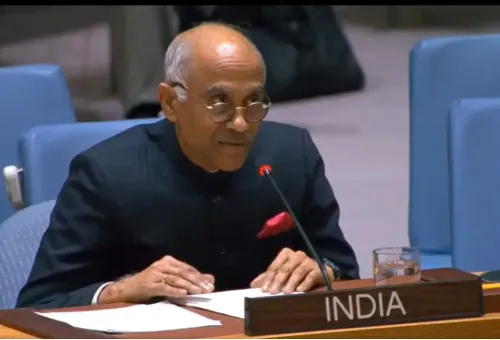
Japan's Permanent Representative Yamazaki Kazuyuki, speaking on behalf of the G4 — comprising India, Brazil, Japan, and Germany — called on the incoming Co-Chairs of the IGN to develop a 'consolidated model' and 'finally pave the way for text-based negotiations.' He described it as 'deeply regrettable' that the Elements Paper, a key working document, 'continues to fail to reflect the undeniable fact that a majority of Member States support the expansion in both permanent and non-permanent categories.'
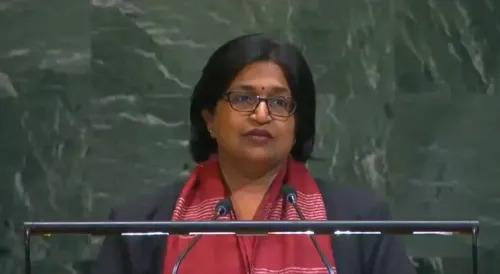
Saint Lucia's Permanent Representative Menissa Rambally, speaking for the cross-continental reform group L69, echoed the demand, calling for a consolidation of proposed reform models. 'This is a mandate for the eighty-first session, not an aspiration to be deferred indefinitely,' she said.
India's Position: Text, Timelines, and Global South Representation
Harish reiterated India's longstanding demand for structured, time-bound negotiations. 'The path to securing such reforms is clear — text-based negotiations with clearly defined timelines and milestones. The outcome of such a genuine effort must lead to an expansion in both categories, with greater representation of the Global South,' he said. India, as a G4 member, has long sought a permanent seat on an expanded Security Council.
What Happens Next
The IGN will formally reconvene under the 81st General Assembly session from September. Whether the new Co-Chairs will succeed in producing a consolidated negotiating text — the minimum condition for substantive progress — remains uncertain, given the UfC's entrenched opposition. After seventeen cycles of inconclusive talks, pressure is mounting on the Assembly to move beyond procedural rituals toward a binding reform framework.
Point of View
And India's frustration is entirely warranted. The Uniting for Consensus bloc's procedural veto is a masterclass in preserving the status quo under the cover of consensus-seeking. What mainstream coverage underplays is the asymmetry: a minority of states, with no credible reform alternative of their own, can indefinitely block a majority's clearly expressed preference. The G4's push for a consolidated model in the 81st session is the right move, but without the General Assembly asserting its authority over the process — rather than deferring to a manufactured logjam — the 18th cycle looks as likely as the 17th.
NationPress
27 Oct 2026
Frequently Asked Questions
What are the UNSC reform negotiations and why are they stalled?
The UNSC reform negotiations, conducted through the Inter-Governmental Negotiations (IGN) framework, seek to expand the UN Security Council's membership — particularly its permanent seats — to better reflect today's geopolitical realities. They have stalled for 17 consecutive cycles because the Uniting for Consensus bloc, led by Italy and including Pakistan, uses procedural tactics to block the adoption of any negotiating text, making structured progress impossible.
What did India say at the UN General Assembly on 28 July?
India's Permanent Representative P Harish accused a 'select few' nations of holding the reform process 'hostage' through narrow, divisive interests. He invoked Indian philosophy — comparing the IGN's 17 cycles to the Hindu concept of rebirth — to highlight the futility of repeated deferrals, and reiterated India's demand for text-based negotiations with clear timelines and milestones.
What is the G4 and what does it want from UNSC reform?
The G4 is a lobbying coalition of India, Brazil, Japan, and Germany, all of which seek permanent seats on an expanded UN Security Council. The group is pushing for text-based negotiations in the 81st General Assembly session and has called on Co-Chairs to produce a consolidated reform model that accurately reflects majority member-state support for expansion in both permanent and non-permanent categories.
Who is blocking UNSC reform and how?
The Uniting for Consensus (UfC) bloc — a 13-member group led by Italy and including Pakistan — is the primary obstacle. It prevents the adoption of a negotiating text by insisting on full consensus before any text is agreed, while simultaneously refusing to allow a text that could build toward consensus, creating a deliberate deadlock.
What happens at the 81st UN General Assembly session regarding UNSC reform?
The IGN will reconvene under the 81st General Assembly session beginning in September. Both the G4 and the L69 cross-continental group have demanded that the incoming Co-Chairs produce a consolidated model of proposed reform options and pave the way for text-based negotiations, describing it as a mandate rather than an aspiration.