India at UNSC reforms talks: G4 flags flawed record-keeping, demands text-based negotiations
Synopsis
India has accused the UN's own record-keepers of downplaying the scale of support for Security Council expansion — a procedural fight that cuts to the heart of whether UNSC reform ever moves forward. With the G4 warning of zero real progress without text-based negotiations, and the UfC using every procedural tool available to stall, the battle over how meeting notes are written has become a proxy war for the future shape of global power.
Key Takeaways
India , speaking for the G4 , criticised the IGN Elements Paper on 20 May for understating member-state support for UNSC expansion.
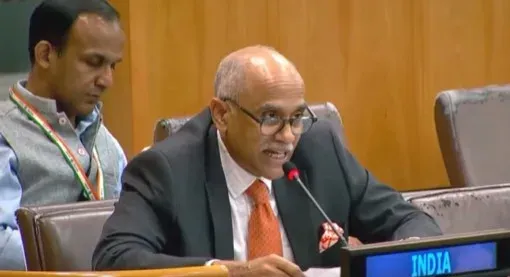
Permanent Representative P.
Harish said describing support as merely 'significant' does not reflect the majority view.
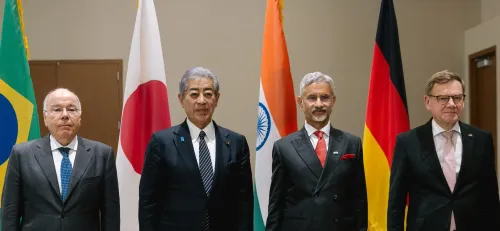
The G4 — India, Brazil, Germany, Japan — demanded that the IGN move immediately to text-based negotiations .
The Uniting for Consensus (UfC) bloc, led by Italy and including Pakistan , opposes permanent-seat expansion and has blocked a formal negotiating text.
The last IGN session saw overwhelming support for the African Group's demand for both permanent and non-permanent seats.
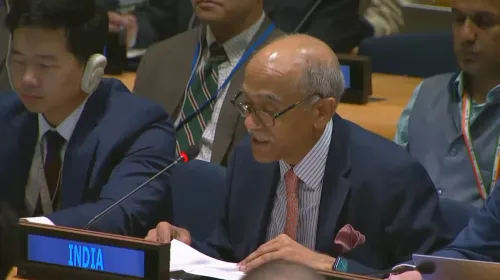
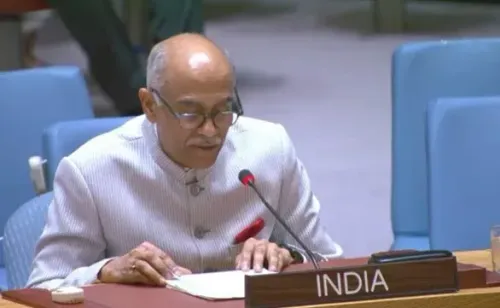
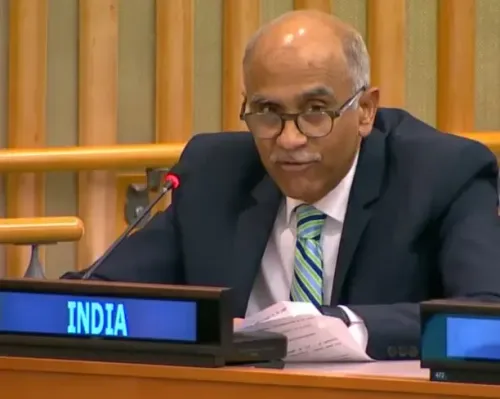
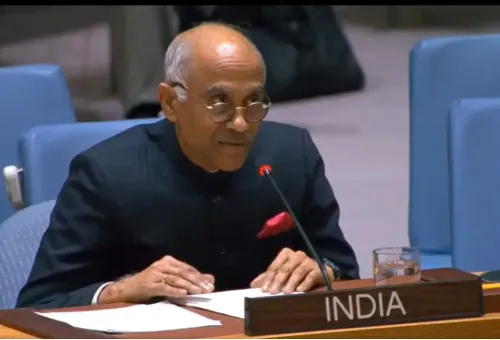
India on Tuesday sharply criticised the record-keeping of the Intergovernmental Negotiations (IGN) for United Nations Security Council (UNSC) reforms, asserting that the official document from the last session misrepresented the breadth of member-state support for expanding both permanent and non-permanent membership categories. The criticism was voiced at the United Nations in New York on behalf of the G4 — the bloc comprising India, Brazil, Germany, and Japan — all of which seek permanent seats in a reformed Council.
What India Said at the IGN
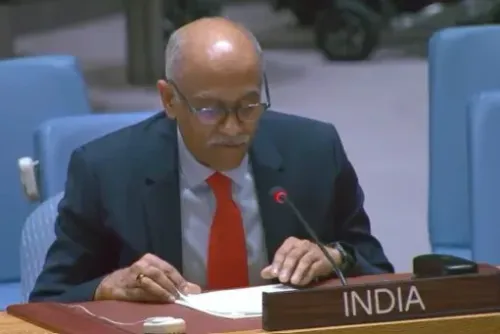
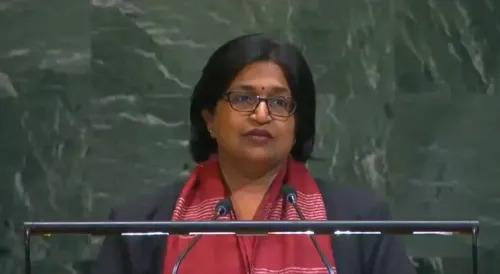
India's Permanent Representative P. Harish told the IGN session that characterising the level of support for UNSC expansion as merely 'significant' does not accurately reflect the views of the majority of member states. Most UN members, he argued, back expansion in both the permanent and non-permanent categories.
Harish called on the IGN to ensure its Elements Paper — the session's working document — 'accurately capture the views and sentiments of a majority of member states in an objective manner.' In the absence of a formal negotiating text, the Elements Papers have become the primary mechanism for tracking progress in the stalled reform process.
The Demand for Text-Based Negotiations
The G4 has repeatedly urged the IGN to move to text-based negotiations, which would formalise the agenda and mark concrete progress. Harish stated that 'a consolidated model must lead to text-based negotiations' and that such a model must be drawn up 'solely in accordance with the views expressed by various groups and member states in IGN discussions.'
He pushed back against the argument — advanced by opposing states — that a negotiating text requires prior consensus, saying, 'A consolidated model is a starting point for discussion, not an end point designed for consensus or the lowest common denominator.' The G4 warned that the IGN 'runs the obvious risk of not achieving any real progress' until text-based negotiations begin.
Who Is Blocking Reform Progress
A grouping known as Uniting for Consensus (UfC), headed by Italy and including Pakistan as a prominent member, opposes any expansion of the permanent membership category. The UfC has repeatedly deployed procedural manoeuvres to prevent the adoption of a negotiating text, effectively freezing the IGN's forward movement.
This comes amid renewed momentum from the African Group, whose joint position — discussed at the last IGN session — received what participants described as overwhelming support for increasing both permanent and non-permanent seats for the continent. The African demand aligns with the G4's broader push for a more representative Council.
Why the Elements Paper Matters
With a formal negotiating text blocked, the Elements Papers produced at each IGN session have become the de facto record of where member states stand. Inaccurate or understated language in these documents can dilute the apparent strength of the reform coalition — which is precisely what India and the G4 allege happened at the last session.
Harish emphasised that 'possible bridging proposals and hybrid ideas must evolve from discussions among groups and member states on the basis of text negotiation,' underscoring that procedural shortcuts cannot substitute for a structured text-based process. The G4 called for negotiations on the basis of a text 'without any further delay.'
Point of View
But it is substantively consequential: in the absence of a negotiating text, how a document characterises support is the only currency the reform coalition has. India's complaint that 'significant' understates majority backing is not semantic pedantry — it is a direct challenge to the UfC's strategy of manufacturing ambiguity to stall. Decades of IGN sessions have produced little more than records of disagreement, and the G4's warning about 'no real progress' is not new rhetoric — it is a pattern. The deeper question is whether the G4 has the diplomatic leverage to force a text onto the table, or whether the UfC's procedural veto will outlast yet another reform push.
NationPress
16 Sept 2026
Frequently Asked Questions
Why did India criticise the UNSC reform negotiations record-keeping?
India said the official Elements Paper from the last IGN session understated the level of member-state support for expanding both permanent and non-permanent UNSC membership, using the word 'significant' when the G4 argues a clear majority backs expansion. India's Permanent Representative P. Harish called for the document to reflect member views 'in an objective manner.'
What is the G4 group and what does it want?
The G4 is a bloc of India, Brazil, Germany, and Japan that collectively advocates for UNSC reform and mutually supports each other's bids for permanent seats in a reformed Security Council. The group is pushing for text-based negotiations to move the stalled IGN process forward.
What is the Uniting for Consensus group and why is it relevant?
Uniting for Consensus (UfC) is a grouping of countries, led by Italy and including Pakistan, that opposes expanding the permanent membership category of the Security Council. The UfC has used procedural tactics to block the adoption of a formal negotiating text, which has stalled the IGN process.
What are 'Elements Papers' and why do they matter for UNSC reform?
Elements Papers are working documents produced at each IGN session that record the positions and levels of support expressed by member states. Because a formal negotiating text has been blocked by the UfC, these papers have become the primary way to track progress — making their accuracy critical to the reform effort.
What did the African Group's position have to do with the latest IGN session?
The previous IGN session discussed the African Group's joint demand for both permanent and non-permanent seats on a reformed Security Council. Participants reported overwhelming support for that position, which aligns with the G4's broader push — and which the G4 says was inadequately captured in the subsequent Elements Paper.