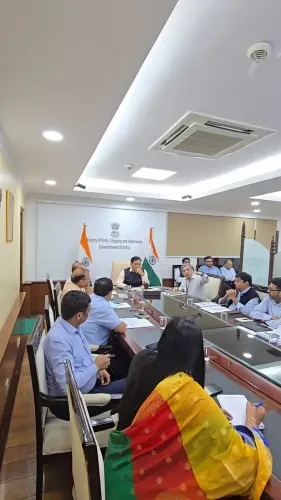
Sonowal Eyes 12% Coastal Freight Share, 10 Lakh Cruise Tourists
Synopsis
Union Minister Sarbananda Sonowal has outlined targets for two proposed schemes — the Coastal Cargo Promotion Scheme and Cruise Bharat Mission — aiming to raise coastal freight to 12% by 2047 and attract 10 lakh cruise passengers by 2029, building on Sagarmala and Maritime India Vision 2047.
Key Takeaways
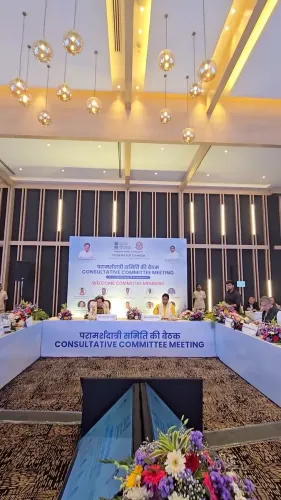
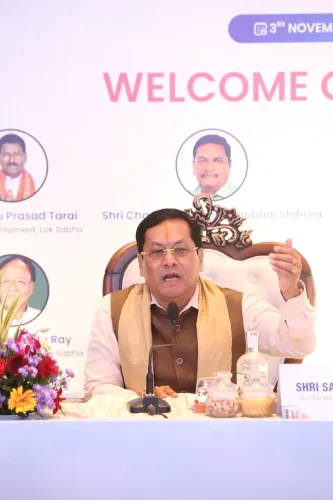
Union Minister Sarbananda Sonowal shared details of two proposed maritime schemes on 3 November 2026 .
The proposed Coastal Cargo Promotion Scheme targets raising coastal shipping's share of domestic freight to 12% by 2047 — roughly double the current level.
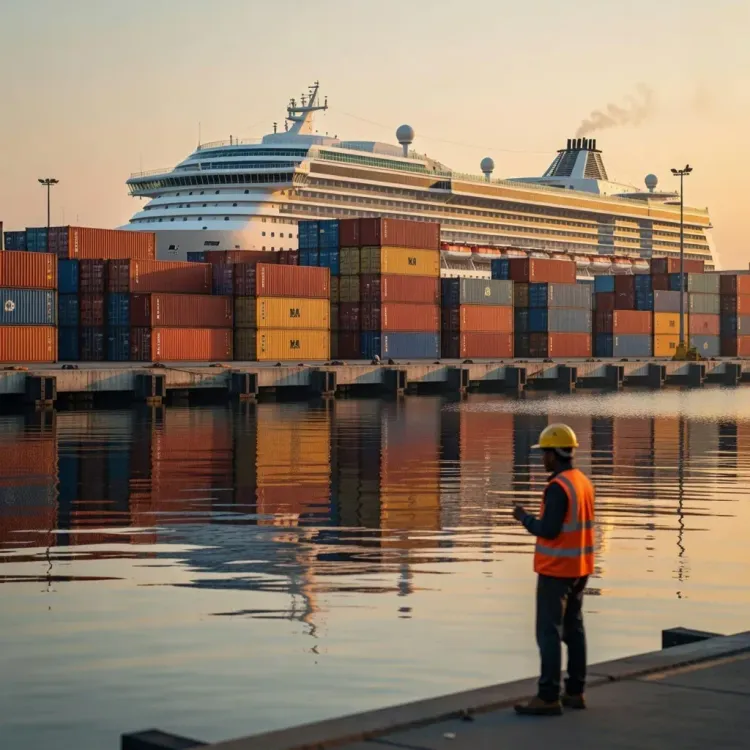
The proposed Cruise Bharat Mission aims to attract 10 lakh sea-cruise passengers by 2029 .
Both schemes build on the Sagarmala Project (launched 2015 ) and the long-term framework of Maritime India Vision 2047 .
Formal legislative backing and budgetary allocations in an upcoming Union Budget or parliamentary session are the critical next steps.
Coastal shipping costs less and emits less per tonne-kilometre than road freight, making the shift a logistics and climate priority.
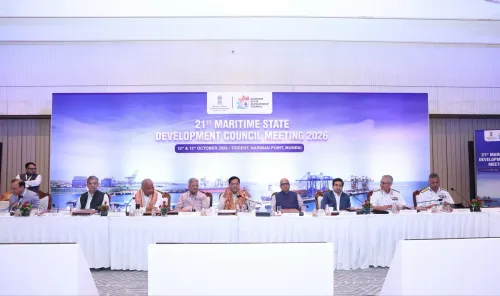
India's coastal shipping ambitions are moving from vision to target: Union Minister of Ports, Shipping and Waterways Sarbananda Sonowal has shared details of two proposed schemes — the Coastal Cargo Promotion Scheme and the Cruise Bharat Mission — that aim to double the domestic freight share of coastal shipping to 12% by 2047 and draw 10 lakh sea-cruise passengers by 2029.
Two Schemes, Two Clocks
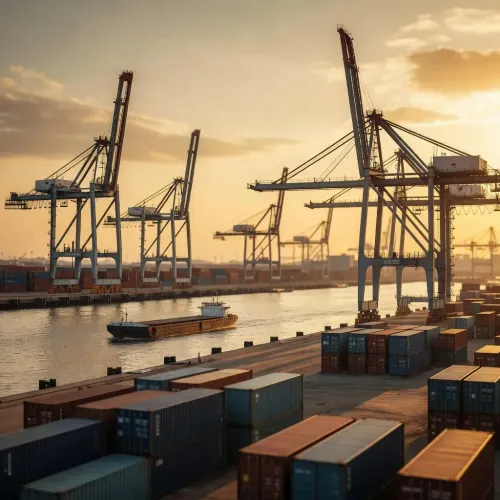
The two proposed missions address different timelines and different audiences. The Coastal Cargo Promotion Scheme targets a structural shift in how Indian freight moves — away from congested highways and overloaded rail lines, toward the country's long-neglected coastline. The Cruise Bharat Mission chases a nearer horizon: 10 lakh cruise passengers by 2029, a number that would require rapid development of berthing infrastructure, immigration facilities, and domestic itineraries along both the eastern and western seaboards. The freight target — coastal shipping capturing 12% of domestic cargo by 2047 — roughly doubles the current share, which has hovered in low single digits for years despite India's 7,500-kilometre coastline. The gap has long frustrated logistics planners: coastal shipping is cheaper and greener per tonne-kilometre than road freight, yet port turnaround times and inland connectivity have blunted its competitiveness.Sagarmala's Long Shadow and What Came After
The policy lineage here runs deep. The Sagarmala Project, launched in 2015, was the first concerted national push for port-led development and coastal shipping corridors. Maritime India Vision 2047 then set longer-range ambitions — a blueprint the two proposed schemes appear to operationalise with specific, measurable targets. The broader momentum also draws from PM Gati Shakti, the national masterplan for multimodal connectivity, which explicitly treats ports as nodes in an integrated logistics grid rather than isolated gateways. The argument is simple: every tonne shifted from road to sea saves fuel, cuts carbon, and frees up highway capacity.What the Numbers Need to Become Real
Targets are easy; legislation and budget lines are not. The critical questions are whether the Coastal Cargo Promotion Scheme and Cruise Bharat Mission receive formal legislative backing and dedicated allocations in the next Union Budget or parliamentary session. Coastal shipping operators and the nascent cruise industry are watching closely — incentive structures, cabotage rules, and port dues will determine whether the headline numbers ever leave the slide deck. For a country that moves the overwhelming majority of its freight by road, the implied shift would be one of the most consequential logistics realignments in independent India's history. The coastline is long. The runway is now.Point of View
Dateable milestones — a meaningful step up from the Sagarmala era's project-level focus. If formalised, the 12% coastal freight target would represent one of the most ambitious modal-shift goals in Indian logistics history, with direct implications for road congestion, fuel subsidies, and supply-chain competitiveness. The cruise target is the shorter-term political proof point: 2029 is close enough that any government will face direct accountability for whether the infrastructure materialises. The real test, as always, is whether the next Union Budget converts these ambitions into line items.
NationPress
3 Nov 2026
Frequently Asked Questions
What is the Coastal Cargo Promotion Scheme?
The Coastal Cargo Promotion Scheme is a proposed Indian government initiative aimed at increasing the domestic freight share of coastal shipping to 12% of total inland freight by 2047, roughly doubling the current share from low single digits.
What is the Cruise Bharat Mission?
The Cruise Bharat Mission is a proposed scheme targeting the attraction of 10 lakh (one million) sea-cruise passengers to India by 2029, requiring expanded port infrastructure, immigration facilities, and domestic cruise itineraries.
What is the current share of coastal shipping in India's freight mix?
Coastal shipping currently accounts for a low single-digit percentage of India's total domestic freight movement, well below its potential given India's 7,500-kilometre coastline.
How does the Sagarmala Project relate to these new schemes?
Launched in 2015, the Sagarmala Project was the foundational national programme for port-led development and coastal shipping corridors. The new proposed schemes build on Sagarmala's infrastructure foundation and the targets set under Maritime India Vision 2047.
When will the new maritime schemes receive formal approval?
Formal legislative backing and budgetary allocations are yet to be confirmed; the next Union Budget and parliamentary session are considered the key decision points for converting the proposals into funded programmes.