India files UNSC candidature for 2028-29 term, permanent seat bid runs parallel
Synopsis
India is running two races at the UN simultaneously — a formal candidature for the 2028-29 non-permanent UNSC seat, even as its permanent membership push continues. With Tajikistan already in the field and OIC backing locked in for Dushanbe, New Delhi faces a real contest for the first time in years — and the outcome could define how consistently India shapes global security decisions this decade.
Key Takeaways
India launched its campaign on 13 July for the UNSC Asia Pacific non-permanent seat for the 2028-29 term.
External Affairs Minister S.
Jaishankar is set to formally announce the candidature at the United Nations .
Tajikistan is the only other declared candidate; it holds OIC endorsement secured in 2023 , backed by 56 General Assembly votes .
India needs a two-thirds majority of the 193-member General Assembly ; in its last election it received 184 votes running unopposed.
India has served eight previous UNSC terms , with gaps of up to 19 years between some tenures — the current bid aims to close those gaps.
The bid runs parallel to India's long-standing campaign for a permanent UNSC seat , reflecting a dual-track diplomatic strategy.
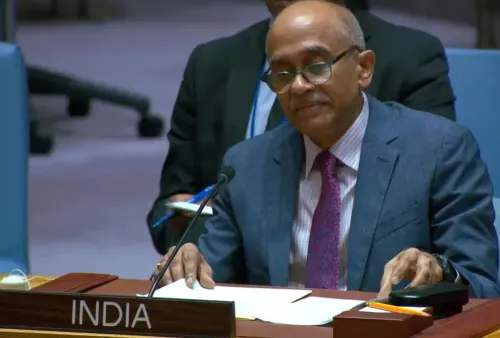
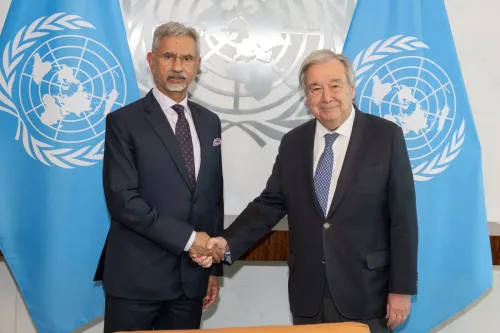
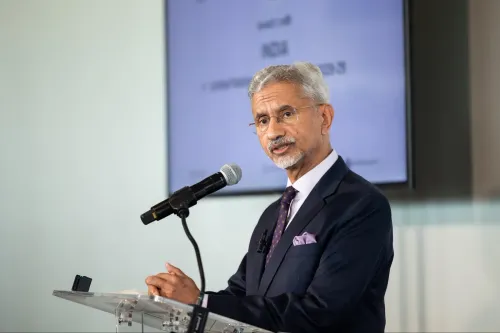
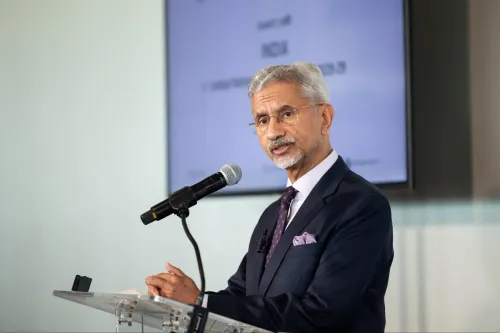
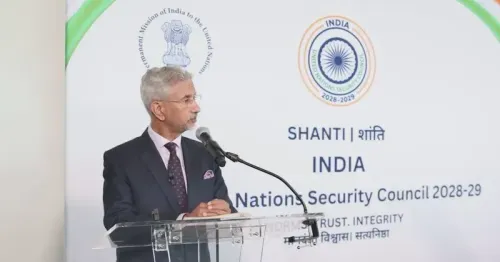
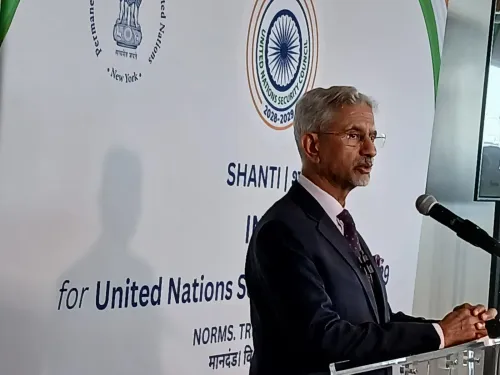
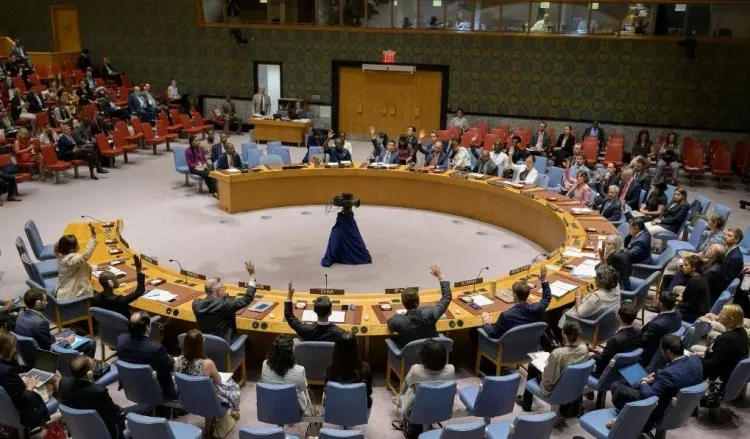
India on Monday, 13 July formally launched its campaign for a non-permanent seat on the UN Security Council (UNSC), targeting the Asia Pacific seat for the 2028-29 two-year term — even as it continues its longer-running push for a permanent seat at the world's most powerful multilateral body. External Affairs Minister S. Jaishankar is set to formally announce the candidature at the United Nations in New York.
India's Candidature and the Competition
The Asia Pacific seat India is contesting will be vacated by Bahrain at the end of next year. So far, only Tajikistan has declared its candidature for the same slot. Dushanbe has been lobbying for the seat for several years and secured the backing of the Organisation of Islamic Cooperation (OIC) as early as 2023, with the bloc citing 'the principle of Islamic solidarity' as the basis for its endorsement. The OIC commands 56 votes in the 193-member UN General Assembly.
India will require a two-thirds majority of General Assembly votes to secure election. In its most recent UNSC election, India ran unopposed with the unanimous backing of the Asia Pacific group and received 184 votes out of 193 — with eight cast as spoiler votes.
India's Track Record at the UNSC
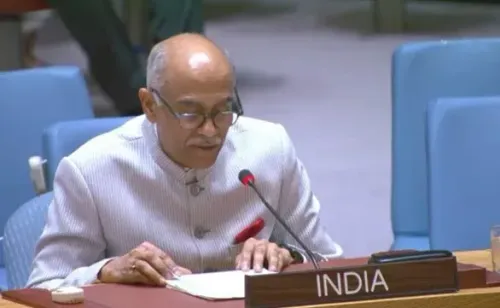
This will be India's ninth bid for a non-permanent seat, having served eight previous terms. Its first term dates to 1950-51, followed by terms beginning in 1967, 1972, 1977, 1984, 1991, 2011, and most recently 2021-22. Notably, there was a 19-year gap between the 1991 and 2011 terms, and a further decade-long gap before the 2021 term. The current bid is explicitly aimed at shortening such intervals and establishing a more consistent Indian presence at the Council.
The highlight of India's 2021-22 term was convening a Council session on Indian soil during its rotating presidency in October 2022. At the Mumbai meeting, Council members paid tribute to victims of the 2008 terrorist attack carried out by Pakistan-based terrorists, gaining a direct view of terrorism's human cost. Sessions in both Mumbai and New Delhi focused on countering the use of emerging technologies by terrorist organisations.
The Dual-Track Strategy
India's simultaneous pursuit of a non-permanent elected seat and a permanent seat reflects a deliberate dual-track diplomatic strategy. New Delhi has long argued that the UNSC's permanent membership structure — unchanged since 1945 — fails to represent contemporary global realities, and has championed reform alongside other aspirants including Germany, Japan, and Brazil. The elected seat bid serves as both a near-term influence mechanism and a platform to amplify India's voice on counterterrorism and Global South priorities while the longer reform process continues.
Broader Asia Pacific Dynamics
The 53-member Asia Pacific Group spans a vast geography — from Lebanon in the west to Kiribati in the east — and regional consensus is not guaranteed. Kyrgyzstan was elected in June to an Asia Pacific seat, succeeding Pakistan, which completes its term at the end of this year. The OIC has separately endorsed Libya for the 2027 Africa seat election. Some nations plan decades ahead: Malaysia, targeting the 2035 election, began lobbying at the start of this decade and already holds OIC backing from 2023.
What Comes Next
With Jaishankar set to formally register the candidature, India's diplomatic outreach across the General Assembly will now intensify. The election itself will be held in 2027 for the term commencing January 2028. Whether the Asia Pacific group reaches consensus behind India — or whether the contest with Tajikistan goes to a full General Assembly vote — will depend heavily on the lobbying campaigns both countries mount over the next two years.
Point of View
But whether it uses the platform to build a credible reform coalition rather than simply logging another two-year tenure. The Tajikistan contest also signals something important: OIC solidarity is increasingly a structural force in UN elections, and India's traditionally consensus-driven Asia Pacific campaigns may face more friction going forward.
NationPress
12 Oct 2026
Frequently Asked Questions
What UNSC seat is India contesting in 2027?
India is contesting the Asia Pacific non-permanent seat on the UN Security Council for the 2028-29 two-year term. The seat will be vacated by Bahrain at the end of 2026, and the election takes place in 2027 in the UN General Assembly.
Who else is running for the Asia Pacific UNSC seat?
Tajikistan is currently the only other declared candidate for the Asia Pacific seat. Dushanbe has been lobbying for the position for several years and secured the backing of the Organisation of Islamic Cooperation (OIC) in 2023, giving it access to 56 General Assembly votes.
How many times has India served on the UN Security Council?
India has served eight terms as a non-permanent UNSC member, with its first term in 1950-51 and its most recent in 2021-22. The current bid for 2028-29 would be its ninth term.
Why is India pursuing both a non-permanent seat and a permanent seat simultaneously?
India's dual-track strategy uses the elected seat as a near-term platform to influence global security decisions — particularly on counterterrorism and Global South issues — while the longer campaign for permanent membership and UNSC reform continues. New Delhi argues that the Council's permanent membership, unchanged since 1945, no longer reflects current global realities.
How many votes does India need to win the UNSC election?
India needs a two-thirds majority of the 193-member UN General Assembly to secure election to the UNSC. In its last election, running unopposed with unanimous Asia Pacific group backing, India received 184 votes.