Jaishankar Launches India's UNSC 2028-29 Campaign #SHANTI
Synopsis
External Affairs Minister Dr. S. Jaishankar on July 14, 2026, launched India's #SHANTI campaign for a UN Security Council non-permanent seat for 2028-29, marking India's ninth bid for the council since 1950 and reaffirming New Delhi's push for Global South representation.
Key Takeaways
Jaishankar launched India's official campaign for a UNSC non-permanent seat for the 2028-29 term on July 14, 2026 .
The campaign is branded #SHANTI , the Sanskrit word for peace, signalling India's thematic pitch to UN member states.
India has held non-permanent UNSC seats eight times since 1950 ; this bid would be its ninth.
India last served on the UNSC during the 2021-22 term after an unopposed election in 2020 .
The UN General Assembly election for the 2028-29 Asian group seat is expected in 2027 .
The campaign runs alongside India's parallel push for permanent UNSC membership and council reform.
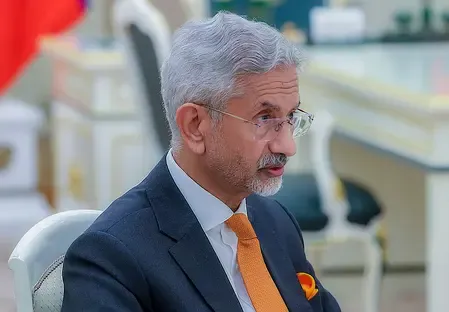
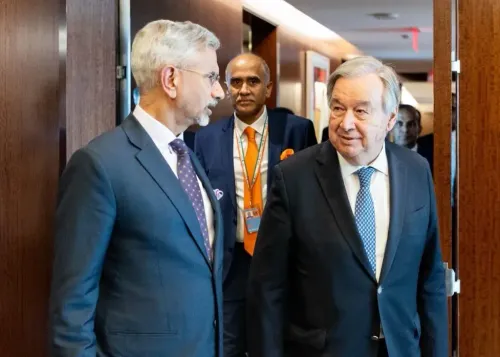
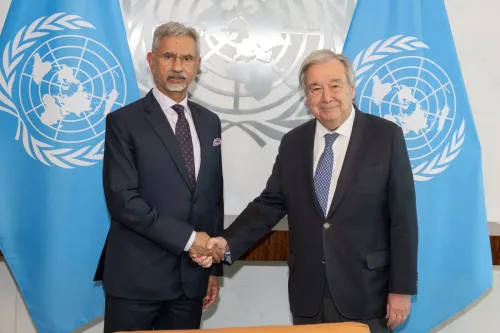
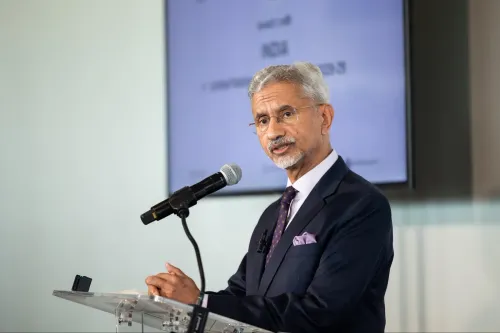
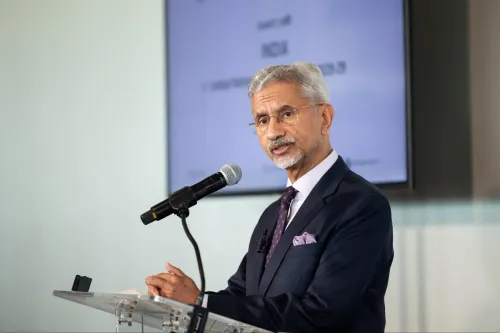
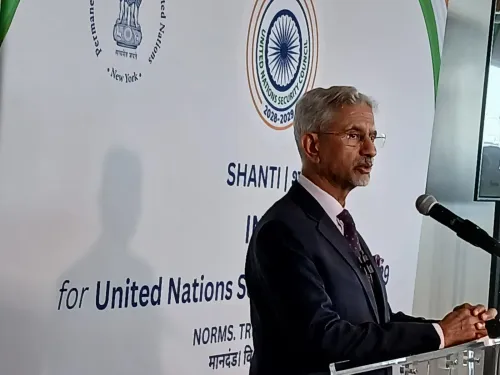
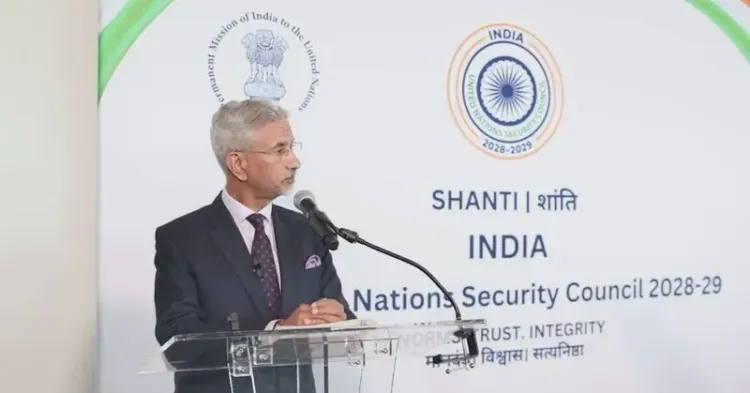
Union External Affairs Minister Dr. S. Jaishankar on Monday, July 14, 2026, spoke at the launch of India's official campaign for a non-permanent seat on the United Nations Security Council for the 2028-29 term, unveiling the campaign under the banner #SHANTI.
Context
India's bid for the 2028-29 UNSC non-permanent seat marks the country's ninth candidature for the council since 1950, underscoring New Delhi's sustained engagement with the UN's principal peace and security organ. The campaign hashtag #SHANTI — the Sanskrit word for peace — signals the thematic framing India has chosen for its outreach to fellow UN member states.
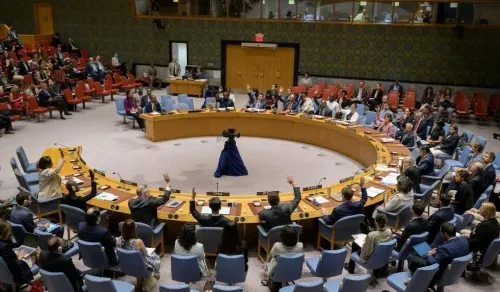
The UN Security Council comprises 15 members: five permanent members with veto power and ten elected non-permanent members serving staggered two-year terms. Elections for the 2028-29 Asian group seat are expected to be held at the UN General Assembly in 2027.
Policy Backdrop
India last served on the UNSC during the 2021-22 term, having been elected unopposed in the 2020 General Assembly vote. Across successive governments, New Delhi has consistently paired such non-permanent candidatures with a broader demand for permanent membership and structural reform of the council to reflect 21st-century geopolitical realities.
Dr. Jaishankar, who has served as Foreign Secretary and as India's ambassador to the United States, China, and Singapore, has been a vocal advocate for equitable representation of the Global South in multilateral institutions. The #SHANTI campaign is consistent with that long-standing diplomatic posture.
Stakeholders and Impact
The campaign's immediate audience is the 193-member UN General Assembly, whose votes determine council composition. Indian diplomats at missions worldwide are expected to lead outreach efforts, making the case for India's candidature on the basis of its contributions to UN peacekeeping, its standing as the world's most populous democracy, and its role as a voice for developing nations.
The launch also carries domestic political significance, reinforcing the government's narrative of an assertive, globally respected Indian foreign policy under the current administration.
What's Next
The formal UN General Assembly election for the 2028-29 Asian group seat is anticipated in 2027, giving India's diplomatic corps roughly a year to consolidate support. In parallel, negotiations on UNSC reform — including proposals to expand the council's permanent membership — are expected to continue as a complementary track.
How effectively the #SHANTI campaign translates into secured votes from across the Global South, Africa, and other regional blocs will be a key measure of India's current diplomatic reach.
Point of View
New Delhi is consciously pitching itself as a civilisational voice for stability at a time of heightened global conflict. For Dr. Jaishankar, who has consistently framed India's foreign policy as moving from 'alignment' to 'autonomy', a successful UNSC campaign would add institutional weight to that narrative. The 2027 vote will, in effect, be a referendum on how much diplomatic capital India has accumulated across the Global South and beyond.
NationPress
12 Oct 2026
Frequently Asked Questions
What is India's #SHANTI UNSC campaign?
#SHANTI is India's official campaign for a non-permanent seat on the UN Security Council for the 2028-29 term, launched by External Affairs Minister Dr. S. Jaishankar on July 14, 2026. The name uses the Sanskrit word for peace as its central theme.
When will the UN vote on India's UNSC seat for 2028-29?
The UN General Assembly election for the 2028-29 Asian group seat is expected to be held in 2027, giving India roughly a year to campaign among the 193 member states.
How many times has India been on the UN Security Council?
India has held non-permanent UNSC seats eight times since 1950. The 2028-29 bid, if successful, would make it the ninth occasion.
What is India's position on UNSC reform?
India has long advocated for expanding the Security Council's permanent membership to reflect 21st-century geopolitical realities, arguing that the current structure under-represents the Global South, Africa, and Asia.
What was India's last UN Security Council term?
India served as a non-permanent member of the UNSC during the 2021-22 term, having been elected unopposed at the UN General Assembly in 2020.