Jaishankar Pays Tribute to UN Peacekeepers on International Day
Synopsis
On the International Day of UN Peacekeepers, External Affairs Minister Dr. S. Jaishankar paid tribute to peacekeepers worldwide, reaffirming India's deep-rooted commitment to UN peace operations and its push for stronger multilateral frameworks. India is one of the largest cumulative troop contributors to UN missions globally.
Key Takeaways
Jaishankar posted a tribute on 29 May , the International Day of UN Peacekeepers , honouring personnel serving under UN Peacekeeping worldwide.
The International Day of UN Peacekeepers was established by the UN General Assembly in 2002 to recognise the service and sacrifice of peacekeeping personnel.
India has participated in UN peacekeeping since the 1950 Korean mission and is among the largest cumulative troop-contributing countries in the world.
India has consistently advocated for reforms in peacekeeping mandates, financing, and decision-making to give greater voice to troop-contributing nations.
The post used the campaign hashtag #InvestInPeace , aligning with the broader UN campaign theme for the observance.
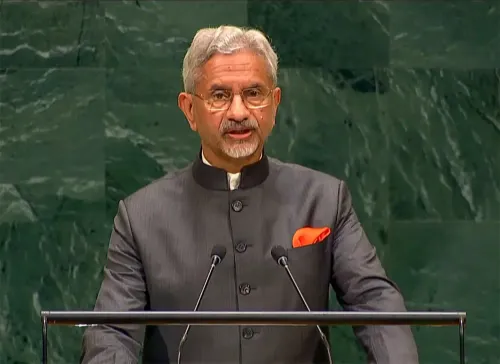
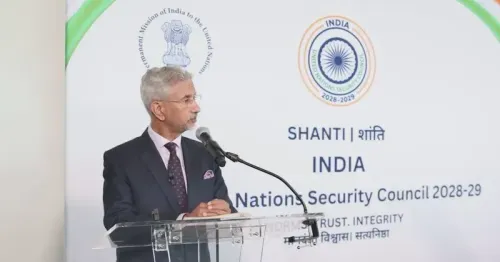
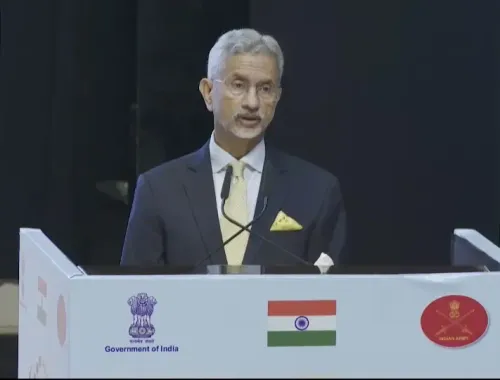
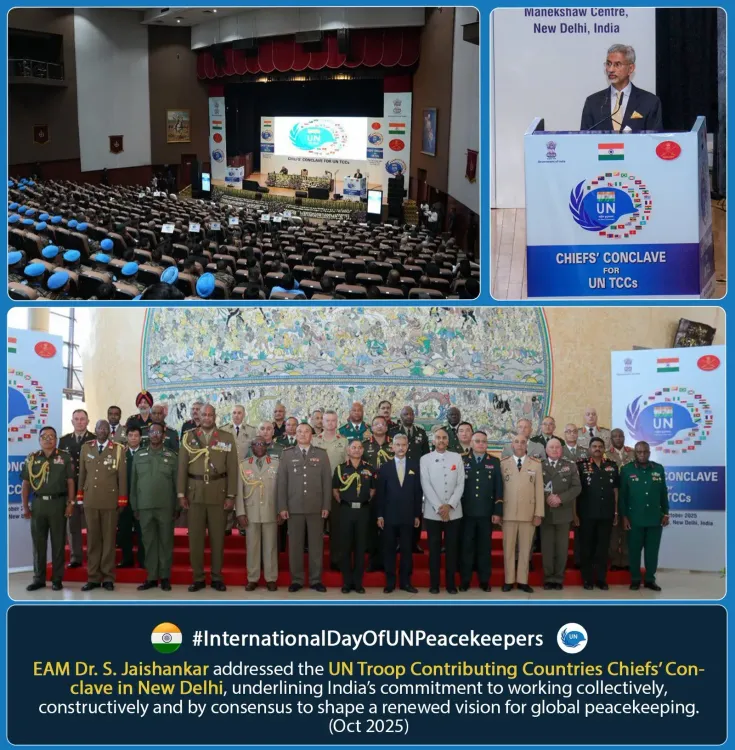
Union External Affairs Minister Dr. S. Jaishankar on Friday, 29 May paid tribute to the women and men serving under UN Peacekeeping on the International Day of UN Peacekeepers, underscoring India's longstanding commitment to multilateral peace operations.
Context
The International Day of UN Peacekeepers is observed every year on 29 May, a date established by the UN General Assembly in 2002 to honour the service and sacrifice of military, police, and civilian personnel deployed in conflict zones under Security Council mandates. The day also commemorates peacekeepers who have lost their lives in the line of duty.
Dr. Jaishankar wrote on X: 'On the International Day of UN Peacekeepers today, pay tribute to the brave women and men serving under @UNPeacekeeping across the world. Their steadfast commitment to preserving peace and security continues to make a meaningful difference in some of the most challenging environments.' He tagged his post with the campaign hashtag #InvestInPeace.
Policy Backdrop
India has one of the longest and most extensive records of participation in UN peacekeeping, dating back to the Korean mission of 1950. Over the decades, India has emerged as one of the largest cumulative troop-contributing countries, deploying personnel to missions across Africa, the Middle East, and beyond.
Successive Indian governments have consistently paired such commemorations with calls for structural reforms in peacekeeping — including stronger mandates, equitable financing, and greater decision-making authority for troop-contributing nations. This stance reflects India's broader foreign policy goal of amplifying the voice of the Global South within multilateral institutions.
Stakeholders and Impact
Indian Armed Forces personnel currently serving in various UN peacekeeping missions are the most direct stakeholders of this recognition. Their families, veterans' organisations, and the broader defence establishment view such high-level acknowledgements as affirmations of the sacrifices made in the service of international peace.
For the United Nations, statements from senior ministers of major troop-contributing countries reinforce political and diplomatic support for peacekeeping operations at a time when several missions face budgetary pressures and evolving security challenges in their host regions.
What's Next
Attention will turn to India's interventions at the forthcoming UN General Assembly high-level week and any new commitments at the next UN Peacekeeping Ministerial meeting, where troop-contributing countries typically negotiate operational priorities and resource pledges. Dr. Jaishankar's tribute signals that New Delhi intends to keep peacekeeping reform high on its multilateral agenda.
As global flashpoints multiply and the demand for peacekeeping personnel grows, India's continued engagement — both in the field and at the diplomatic table — will be closely watched by partners and the UN Secretariat alike.
Point of View
Consistent with India's strategy of visibly championing multilateralism to strengthen its credentials as a responsible global power. By invoking the hashtag #InvestInPeace, New Delhi aligns itself with the UN's own advocacy messaging, signalling solidarity at a moment when peacekeeping budgets face pressure from major donors. This also fits a longer arc in which India uses high-profile commemorations to build the political case for structural reforms — particularly greater representation for troop-contributing nations in mission planning and financing decisions. The statement is modest in scope but carries weight given India's status as one of the world's foremost contributors of peacekeeping personnel.
NationPress
12 Oct 2026
Frequently Asked Questions
What is the International Day of UN Peacekeepers?
The International Day of UN Peacekeepers is observed every year on 29 May. It was established by the UN General Assembly in 2002 to honour the service of military, police, and civilian personnel deployed in UN peacekeeping missions and to commemorate those who have died in service.
Why did Jaishankar pay tribute to UN peacekeepers?
Dr. S. Jaishankar, as India's External Affairs Minister, marked the International Day of UN Peacekeepers on 29 May by acknowledging the contributions of peacekeepers worldwide, in line with India's longstanding policy of supporting UN-led multilateral peace operations.
How long has India been contributing to UN peacekeeping?
India has participated in UN peacekeeping since the Korean mission of 1950, making it one of the longest-serving and largest cumulative troop-contributing countries in the history of the United Nations.
What is India's position on UN peacekeeping reform?
India has consistently called for reforms that include stronger operational mandates, more equitable financing, and greater decision-making authority for troop-contributing countries, arguing that nations that bear the operational burden should have more say in mission planning.
What does the hashtag InvestInPeace mean?
#InvestInPeace is a campaign hashtag used by the United Nations and member states to advocate for sustained political, financial, and operational support for UN peacekeeping missions around the world.