Sapta Shakti Command seminar on Iran War and global implications, Jaipur
Synopsis
India's Sapta Shakti Command convened a high-level seminar in Jaipur on the Iran War's geopolitical fallout, featuring a former Air Chief and senior diplomats. With 13 seminars since November 2024, the Gyan Shakti Think Tank is quietly building a serious defence-intellectual platform at a time when India's strategic calculus in the Middle East is under growing scrutiny.
Key Takeaways
The Sapta Shakti Command hosted a seminar on "Iran War and its Geopolitical Implications" at Jaipur Military Station on 3 May 2025 .
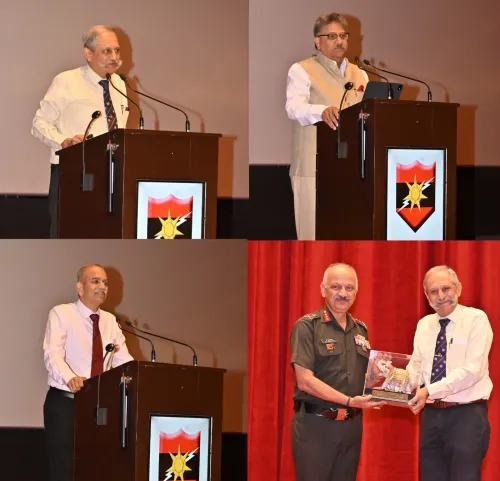
Former Chief of Air Staff Air Chief Marshal Rakesh Kumar Singh Bhadauria led an eminent panel alongside diplomats Dinkar Srivastava , Gopal Baglay , and Satish Mehta .
Key themes included legality of force, AI in warfare, targeted strikes, and the weakening of international institutions.
PS Shekhawat , Chief of Staff, highlighted weaponisation of economic interdependencies and the diffusion of global power centres.
The Gyan Shakti Think Tank has organised 13 seminars since its launch in November 2024 .
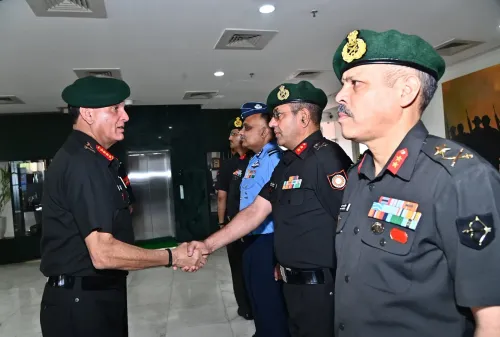
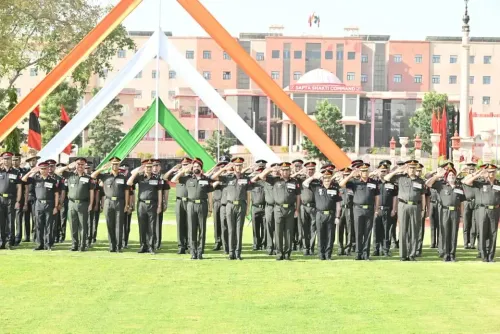
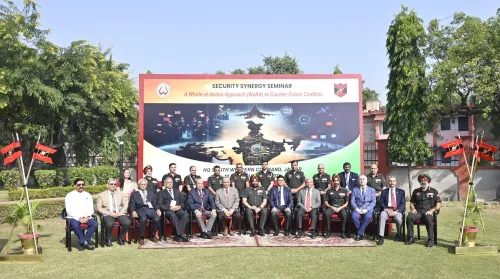
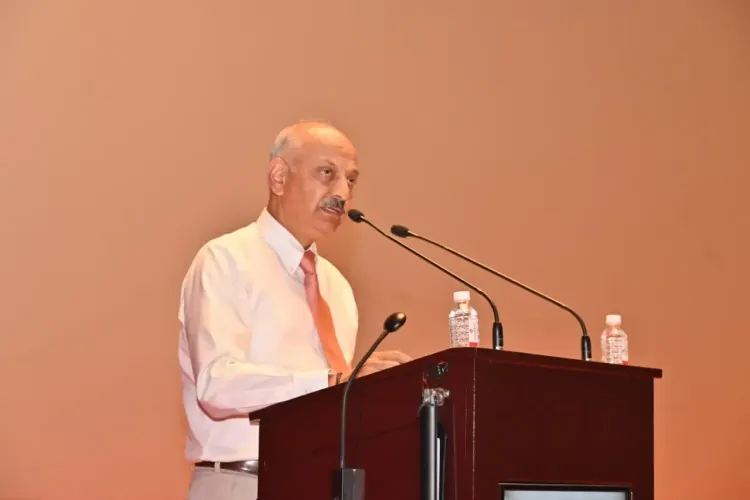
The Sapta Shakti Command, through its Gyan Shakti Think Tank, organised a seminar on "Iran War and its Geopolitical Implications" at Jaipur Military Station on Saturday, 3 May 2025. The event brought together serving officers, veterans, academicians, and students from leading institutions across Jaipur to examine one of the most consequential ongoing conflicts shaping the global order.
Distinguished Panel and Key Speakers
The seminar featured an eminent panel led by former Chief of Air Staff Air Chief Marshal Rakesh Kumar Singh Bhadauria, alongside distinguished diplomats Dinkar Srivastava, Gopal Baglay, and Satish Mehta. Drawing on their extensive strategic and diplomatic careers, the panellists offered layered perspectives on the conflict involving Iran and its cascading regional and global consequences.
Core Themes Discussed
Discussions spanned the geographical and historical roots of the conflict, as well as the socio-political mindset of the nations involved. Panellists examined the broader impact of the war on global economies and the emerging world order, particularly in the context of the weakening influence of international monitoring institutions and alliances.
Critical issues raised included the legality of the use of force, targeted strikes on leadership, and the rapidly evolving nature of modern warfare — marked by increasing reliance on artificial intelligence and air power. These themes reflect a wider global debate about how future conflicts will be fought and governed.
Closing Remarks and Key Observations
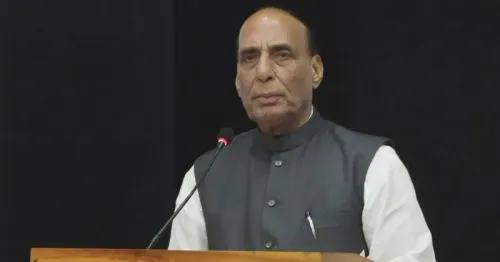
In his closing address, PS Shekhawat, Chief of Staff of the Sapta Shakti Command, commended the speakers for their incisive analysis. He drew attention to three defining trends in contemporary warfare: the weaponisation of economic interdependencies, the diffusion of global power centres, and the growing role of perception in shaping both economic and strategic outcomes. His remarks underscored how the boundaries between economic policy and military strategy are increasingly blurred.
Gyan Shakti Think Tank's Growing Role
Since its inception in November 2024, the Gyan Shakti Think Tank has organised 13 seminars on diverse strategic topics, establishing itself as a credible platform for defence and geopolitical discourse. The think tank continues to foster dialogue among experts, veterans, and young scholars, reflecting the Indian Army's broader commitment to intellectual engagement alongside operational readiness. The Sapta Shakti Command, headquartered in Jaipur, oversees India's strategically vital south-western theatre, making such forums particularly relevant given ongoing regional tensions.
With global power dynamics shifting and the Iran conflict showing no signs of near-term resolution, seminars of this nature are likely to grow in strategic importance for India's defence establishment.
Point of View
Diaspora, and trade exposure to the Middle East, and any escalation carries direct economic consequences. The inclusion of former Air Chief Bhadauria and senior diplomats signals that this was more than an academic exercise; it reflects institutional appetite for structured strategic thinking at the command level. Notably, the emphasis on AI and air power in warfare aligns with the Indian Army's own modernisation priorities. The Gyan Shakti Think Tank's rapid cadence — 13 seminars in under six months — suggests a deliberate effort to institutionalise strategic dialogue within the military, a space that has historically been underserved compared to civilian think tanks.
NationPress
22 Sept 2026
Frequently Asked Questions
What was the Sapta Shakti Command seminar in Jaipur about?
The seminar, titled 'Iran War and its Geopolitical Implications', was held at Jaipur Military Station on 3 May 2025. It examined the conflict involving Iran, its impact on global economies, the evolving nature of warfare, and the weakening of international institutions.
Who were the key speakers at the Jaipur military seminar?
The panel included former Chief of Air Staff Air Chief Marshal Rakesh Kumar Singh Bhadauria and senior diplomats Dinkar Srivastava, Gopal Baglay, and Satish Mehta. The closing remarks were delivered by PS Shekhawat, Chief of Staff of the Sapta Shakti Command.
What is the Gyan Shakti Think Tank?
The Gyan Shakti Think Tank is an intellectual platform established by the Sapta Shakti Command in November 2024 to foster strategic and geopolitical dialogue among defence experts, veterans, academicians, and students. It has organised 13 seminars since its inception.
What key trends in modern warfare were highlighted at the seminar?
Panellists discussed the growing role of artificial intelligence and air power, the weaponisation of economic interdependencies, diffusion of global power centres, and the increasing importance of perception in shaping strategic outcomes.
Why is the Sapta Shakti Command's focus on Iran significant for India?
India has substantial energy imports, trade ties, and a large diaspora in the Middle East, making the Iran conflict directly relevant to Indian strategic and economic interests. The seminar reflects the Indian military's effort to analyse and prepare for the geopolitical consequences of the ongoing conflict.