Trump warns of more Iran strikes as Democrats plan war votes
Synopsis
Trump's stark 'maybe I'll have to' warning over Iran — with no timetable or targets named — signals the conflict is far from over, even as House Democrats prepare floor resolutions to terminate it and demand a public accounting of its costs and goals. With the Strait of Hormuz at stake, India and other Asian energy importers are watching closely.
Key Takeaways
President Donald Trump on 6 November warned he may order further military strikes on Iran , without specifying targets or a timetable.
Trump reiterated that Iran must not acquire a nuclear weapon and said Tehran's nuclear programme would proceed only 'with our approval'.
Representative Gregory Meeks outlined plans in a 4 November letter to bring resolutions to the House floor to immediately terminate the Iran war.
Democratic Whip Katherine Clark accused the administration of waging 'a reckless war that had no exit strategy, had no clear goals' and pledged to press on funding and troop withdrawal.
Neither Democratic statement imposed new restrictions on the president; both described an intended agenda for the incoming Congress.
The IEA identifies India , China , and Japan as principal destinations for oil transiting the Strait of Hormuz , making any escalation a direct risk to Asian energy supply.
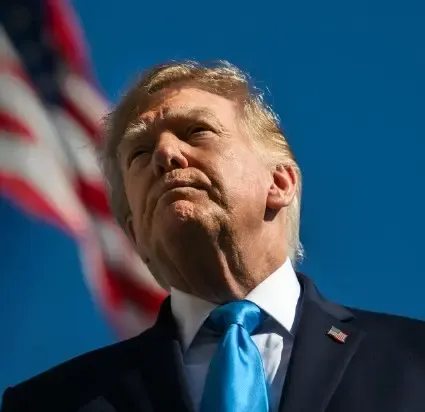
US President Donald Trump on Thursday, 6 November raised the prospect of further military action against Iran, even as senior House Democrats outlined plans to force congressional votes to end the conflict and demand accountability on its objectives and costs.
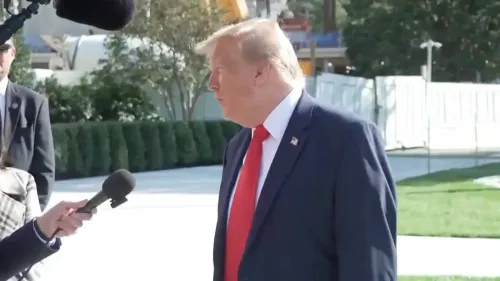
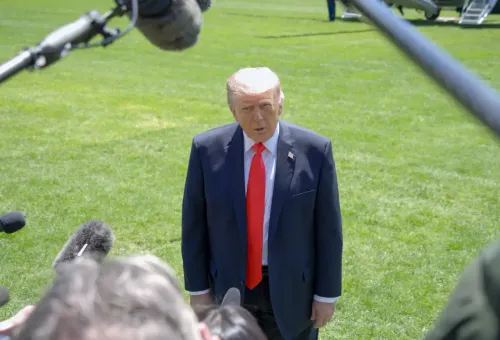
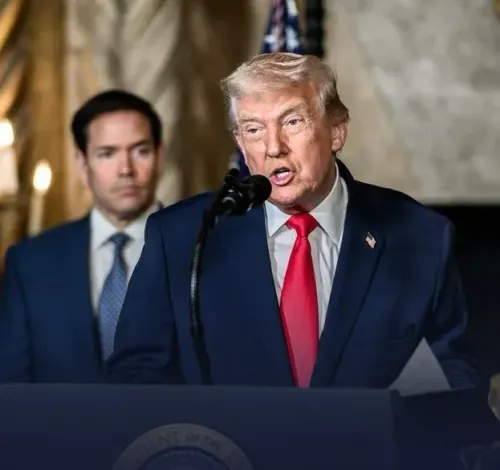
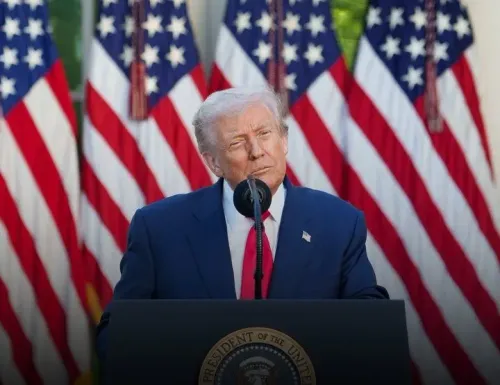
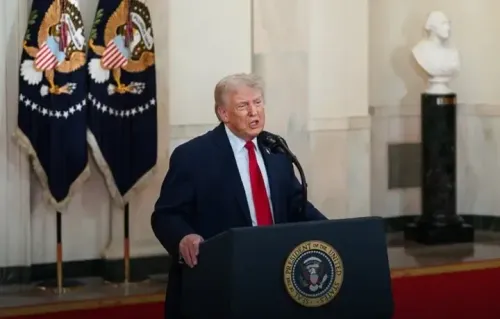
'I would rather not destroy the rest of the country, if possible, but maybe I'll have to. You'll know soon enough,' Trump told reporters at the White House during an Oval Office event. He gave no timetable, identified no targets, and did not announce that new strikes had been ordered.
What Trump Said
Speaking on Thursday afternoon, Trump defended the ongoing military campaign and said a decision would be made on whether to escalate further. He also reiterated his longstanding position that Iran must not acquire a nuclear weapon. Asked about reported proposals concerning Tehran's nuclear programme, he said: 'They're not doing anything without our approval.' Trump did not confirm the substance of any proposal or describe an agreed negotiating framework, leaving both the scope of potential military action and the diplomatic route unspecified.
Democratic Opposition Takes Shape
Representative Gregory Meeks, the senior Democrat on the House Foreign Affairs Committee, set out his legislative plans in a 4 November letter seeking colleagues' support to become the committee's chairman. 'On the legislative front, I intend to bring resolutions to the floor to immediately terminate the President's war with Iran and will prioritize clawing back Congress's proper role in the making of American foreign policy,' he wrote. The letter also proposed demanding public testimony from senior administration officials on Iran, Venezuela, and disputes over congressional authority on military action and trade. It did not establish a date for any vote or identify a newly introduced resolution.
Democratic Whip Katherine Clark told CNN that Democrats would press the administration on continued funding for the conflict and how it intended to bring US troops home safely. Clark accused the president of taking the country into 'a reckless war that had no exit strategy, had no clear goals', and blamed the conflict for increasing pressure on household fuel costs. Her office circulated excerpts of the interview before Trump's afternoon remarks.
Congressional Limits and Distinctions
The two Democrats emphasised different avenues for challenging the administration: Meeks proposed floor resolutions and public testimony, while Clark focused on funding, public costs, and an exit strategy. Notably, neither statement amounted to a new restriction already imposed on the president. Their remarks outlined an intended legislative and oversight agenda for the incoming Congress, not actions already taken.
India and Asia in the Crossfire
The Gulf conflict carries significant implications for major Asian energy importers, including India. The International Energy Agency (IEA) identifies the Strait of Hormuz as a critical oil transit route, listing India, China, and Japan among the principal destinations for oil leaving the waterway. Any sustained escalation risks disrupting energy supply chains that underpin fuel prices and industrial activity across the region. This comes amid already elevated global energy market uncertainty.
What Comes Next
With the new Congress set to take shape, Democrats are expected to test the limits of presidential war-making authority through the floor resolutions and oversight hearings Meeks outlined. Whether those efforts can impose binding constraints on Trump's Iran policy remains to be seen. The administration, meanwhile, has not indicated any shift in its military posture or confirmed the status of diplomatic negotiations.
Point of View
And the gap between rhetorical escalation and a coherent war rationale is widening. Congressional Democrats face their own test: floor resolutions without enough votes to override a veto are largely symbolic, and the administration knows it. For India, the deeper concern is structural — the Strait of Hormuz is not a contingency risk but an everyday supply artery, and any prolonged Iran escalation translates directly into rupee pressure, import bills, and inflationary spillover at home.
NationPress
6 Nov 2026
Frequently Asked Questions
What did Trump say about further military action against Iran?
President Trump on 6 November said 'maybe I'll have to' destroy more of Iran, while giving no timetable or specific targets. He was speaking to reporters at the White House and did not announce that new strikes had been ordered.
What are House Democrats planning in response to the Iran war?
Representative Gregory Meeks outlined plans in a 4 November letter to bring floor resolutions to immediately terminate the Iran war and demand public testimony from senior administration officials. Democratic Whip Katherine Clark separately said Democrats would question funding for the conflict and press for an exit strategy.
Has Congress already restricted Trump's Iran military campaign?
No. Neither Meeks nor Clark has yet imposed binding restrictions on the president. Both statements described a legislative agenda intended for the incoming Congress, not measures already enacted.
Why does the Iran conflict matter for India?
The International Energy Agency identifies the Strait of Hormuz as a critical oil transit route, with India among the principal destinations for oil leaving the waterway. Any escalation in the Gulf risks disrupting energy supplies and driving up fuel costs for Indian consumers and industry.
What is Trump's stated position on Iran's nuclear programme?
Trump has reiterated that Iran must not acquire a nuclear weapon. When asked about proposals concerning Tehran's nuclear programme, he said the country would not proceed 'without our approval', though he did not confirm any specific framework or negotiated agreement.