SC Collegium recommends Chief Justices for Rajasthan, MP, J&K and Ladakh HCs

Synopsis
The Supreme Court Collegium's move to appoint a regular Chief Justice for the Rajasthan High Court is not routine — it comes directly in the wake of a sitting Supreme Court judge writing three letters in a fortnight alleging administrative misconduct by the Acting Chief Justice. The Collegium's swift response signals that internal judicial accountability pressure, even when handled quietly, can produce visible institutional outcomes.
Key Takeaways
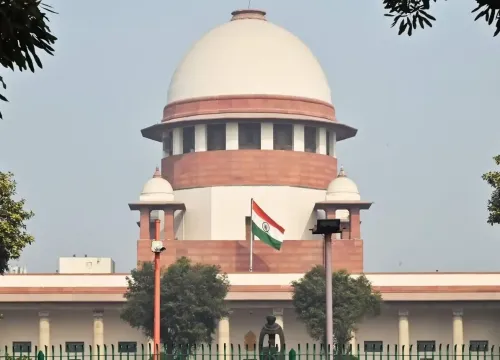
The Supreme Court Collegium , led by CJI Surya Kant , met on 31 August 2026 and recommended Chief Justices for three High Courts .
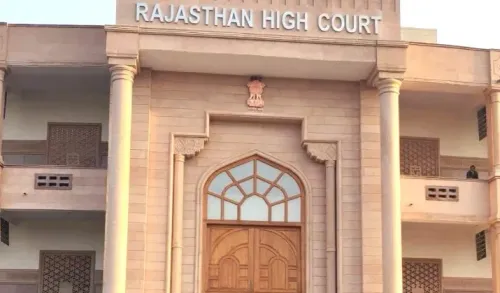
Agrawal (Chhattisgarh HC) recommended as Chief Justice of the Rajasthan High Court .
Justice Alpesh Yeshvant Kogje (Gujarat HC) recommended as Chief Justice of the Madhya Pradesh High Court .
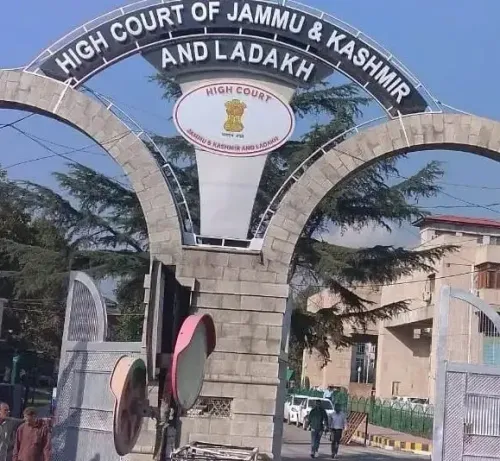
Justice Dr Pushpendra Singh Bhati (Rajasthan HC) recommended as Chief Justice of the Jammu & Kashmir and Ladakh High Court .
Justice Krushna Ram Mohapatra (Orissa HC) recommended as Chief Justice of the Chhattisgarh High Court after incumbent retires on 4 September 2026 .
The Rajasthan appointment follows three letters by Justice Sandeep Mehta alleging misconduct by Acting Chief Justice Sanjeev Prakash Sharma .
The Supreme Court Collegium, headed by Chief Justice of India (CJI) Surya Kant, on 31 August 2026 recommended the appointment of three judges as Chief Justices of the Rajasthan, Madhya Pradesh, and Jammu & Kashmir and Ladakh High Courts. The recommendations, confirmed in an official statement from the apex court, now await processing by the Centre under the existing memorandum of procedure governing High Court appointments and transfers.
The Three Recommendations
Justice Sanjay K. Agrawal of the Chhattisgarh High Court has been recommended as the next Chief Justice of the Rajasthan High Court. In a separate but linked resolution, the Collegium also recommended his transfer from the Chhattisgarh High Court to the Rajasthan High Court, as required under the appointment procedure.
Justice Alpesh Yeshvant Kogje of the Gujarat High Court has been recommended for appointment as Chief Justice of the Madhya Pradesh High Court. Justice Dr Pushpendra Singh Bhati of the Rajasthan High Court has been recommended for elevation as Chief Justice of the Jammu & Kashmir and Ladakh High Court.
Separately, the Collegium also recommended Justice Krushna Ram Mohapatra of the Orissa High Court as Chief Justice of the Chhattisgarh High Court, following the retirement of the incumbent Chief Justice on 4 September 2026.
The Rajasthan High Court Backdrop
The recommendation for a regular Chief Justice for the Rajasthan High Court carries particular significance. It follows a series of letters — dated 2 August, 10 August, and 17 August — written by Supreme Court judge Justice Sandeep Mehta, who was elevated to the apex court from the Rajasthan High Court. In those letters, Justice Mehta urged CJI Surya Kant and the Collegium to appoint a regular Chief Justice from another High Court to head the Rajasthan bench.
Justice Mehta had also levelled allegations against Acting Chief Justice Sanjeev Prakash Sharma, including alleged misuse of administrative powers, manipulation of case listings, and favouritism towards certain lawyers and parties.
What the CJI Said
CJI Kant, acknowledging the concerns raised, stressed that allegations against a sitting judge must be addressed strictly through established institutional mechanisms and cannot be adjudicated in the public domain. 'The fact that allegations have been made, therefore, cannot by itself be treated as a finding against the judge,' the CJI had said. He added that the matter was being examined at the appropriate level, taking into account both Justice Mehta's submissions and Justice Sharma's response.
What Happens Next
The Centre will now process the Collegium's recommendations in line with the existing memorandum of procedure. Once cleared, the appointments will formally fill vacancies at the top of three High Courts and set in motion a chain of judicial transfers across the country's bench hierarchy. The Rajasthan appointment, in particular, is expected to bring institutional stability to a court that has been under scrutiny for several weeks.
Point of View
When applied through formal channels, does move the needle. What remains unresolved is the underlying allegation against Acting Chief Justice Sharma: the CJI's caution that allegations are not findings is constitutionally sound, but the institutional silence on a substantive response risks being read as evasion. India's collegium system has long been criticised for opacity; this episode shows both its responsiveness and its limits. The real accountability test will come when — and if — the process CJI Kant described as 'being examined at the appropriate level' produces a transparent outcome.
NationPress
1 Sept 2026
Frequently Asked Questions
Which High Courts received Chief Justice recommendations from the SC Collegium on 31 August 2026?
The Supreme Court Collegium recommended Chief Justices for the Rajasthan, Madhya Pradesh, and Jammu & Kashmir and Ladakh High Courts on 31 August 2026. A fourth recommendation was also made for the Chhattisgarh High Court ahead of the incumbent's retirement on 4 September 2026.
Who has been recommended as the new Chief Justice of the Rajasthan High Court?
Justice Sanjay K. Agrawal of the Chhattisgarh High Court has been recommended as the next Chief Justice of the Rajasthan High Court. The Collegium also separately recommended his transfer from the Chhattisgarh High Court to the Rajasthan High Court.
Why was the Rajasthan High Court Chief Justice appointment particularly significant?
The appointment follows three letters written in August 2026 by Supreme Court judge Justice Sandeep Mehta, who urged the Collegium to appoint a regular Chief Justice for Rajasthan. Justice Mehta had also raised allegations of administrative misconduct against Acting Chief Justice Sanjeev Prakash Sharma.
What did CJI Surya Kant say about the allegations against the Rajasthan Acting Chief Justice?
CJI Surya Kant said allegations against a sitting judge must be handled through established institutional mechanisms and cannot be adjudicated publicly. He clarified that 'the fact that allegations have been made cannot by itself be treated as a finding against the judge,' adding that the matter was being examined at the appropriate level.
What happens after the SC Collegium makes these recommendations?
The Centre will process the Collegium's recommendations in accordance with the existing memorandum of procedure governing High Court appointments and transfers. Once cleared by the government, the appointments will be formally notified.