Why Did the Supreme Court Deny Bail to Umar Khalid and Sharjeel Imam?
Synopsis
The Supreme Court's recent denial of bail to Umar Khalid and Sharjeel Imam in the 2020 Delhi riots case raises significant questions about the nature of their alleged involvement. This decision, while granting relief to five others, highlights the complexities of the legal proceedings surrounding the riots and the implications for justice and accountability.
Key Takeaways
The Supreme Court upheld the denial of bail for Umar Khalid and Sharjeel Imam, citing substantial evidence against them.
Bail was granted to five other defendants who had been in custody for an extended period.
Individual assessment of bail applications is crucial, reflecting varying levels of culpability among accused.
The Solicitor General presented arguments indicating the premeditated nature of the riots .
This case continues to evoke widespread public interest and scrutiny.
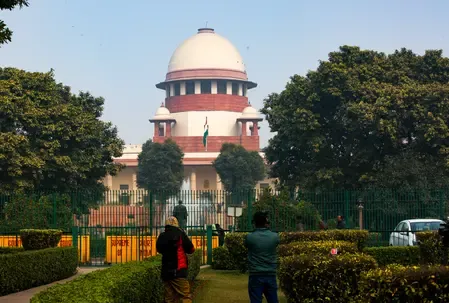
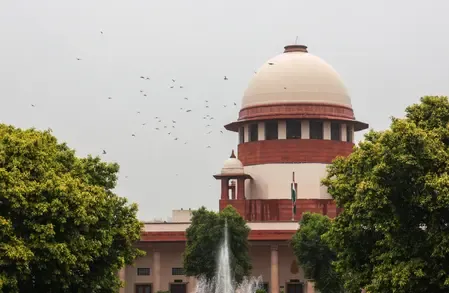
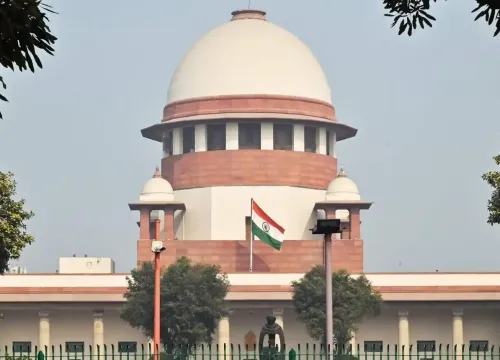
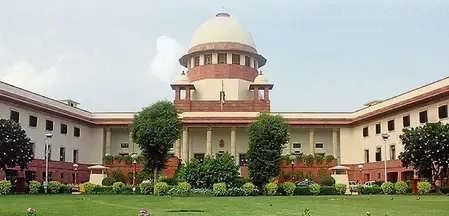
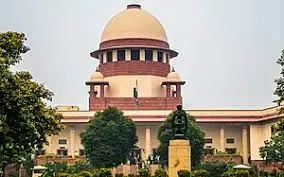
New Delhi, Jan 5 (NationPress) The Supreme Court denied bail to student activists Umar Khalid and Sharjeel Imam concerning the alleged “larger conspiracy” case associated with the 2020 Delhi riots.
In delivering the ruling, a Bench comprising Justices Aravind Kumar and Prasanna B. Varale indicated that the evidence presented by the prosecution established a prima facie case against Khalid and Imam, thus invoking the statutory prohibition against bail under Section 43D(5) of the Unlawful Activities (Prevention) Act (UAPA).
The Justice Kumar-led Bench remarked that the evidence did not warrant their release on bail, highlighting their roles in planning, mobilizing, and providing strategic directives.
Conversely, the apex court granted bail to Gulfisha Fatima, Meeran Haider, Shifa-ur-Rehman, Mohd Saleem Khan, and Shadab Ahmed, all of whom have been in custody for over five years.
The Bench emphasized the necessity of evaluating each bail application on its own merits, as the record indicated varying levels of culpability among the accused.
The Supreme Court noted, “The hierarchy of participation necessitates that the court assesses each application individually,” stressing that Khalid and Imam were on a distinctly different level compared to the other defendants.
Previously, on December 10, the Supreme Court had reserved its decision on a set of special leave petitions (SLPs) opposing the Delhi High Court's denial of bail to the accused in the 2020 riots “larger conspiracy” case.
Solicitor General (SG) Tushar Mehta, representing the Delhi Police, argued against the bail applications, asserting that the violence was not a mere communal clash but rather a “well-crafted, orchestrated, and premeditated” assault on the nation's sovereignty.
The SG contended, “This was not a spontaneous act of violence; this was an attack against the sovereignty of the nation,” relying on speeches, WhatsApp communications, and other evidence to suggest a “clear and discernible attempt to divide society along communal lines.”
He further claimed that delays in trial proceedings were due to the accused’s lack of cooperation, stating, “Each of them contested the framing of charges for 4-5 days.”
In September 2025, the Delhi High Court had rejected the bail requests of Khalid, Imam, and several others, noting that a prima facie case under the UAPA existed against them.
Point of View
This ruling underscores the ongoing complexities of the legal battles surrounding the Delhi riots. The Supreme Court's decision reflects a careful consideration of the evidence and the necessity for a just legal process, while also highlighting the need for accountability amidst significant public interest.
NationPress
13 Oct 2026
Frequently Asked Questions
What are the main accusations against Umar Khalid and Sharjeel Imam?
Umar Khalid and Sharjeel Imam are accused of involvement in a larger conspiracy related to the 2020 Delhi riots, with allegations of orchestrating violence and instigating communal discord.
What did the Supreme Court say about the evidence against them?
The Supreme Court indicated that the prosecution presented sufficient evidence to establish a prima facie case against Khalid and Imam, warranting the denial of bail under the UAPA.
Who were granted bail by the Supreme Court?
Bail was granted to Gulfisha Fatima, Meeran Haider, Shifa-ur-Rehman, Mohd Saleem Khan, and Shadab Ahmed, all of whom had been in custody for over five years.
What argument did the Solicitor General make against granting bail?
The Solicitor General argued that the violence during the riots was a premeditated attack on the nation's sovereignty, not a spontaneous clash, thus opposing the bail applications.
How does this ruling affect the ongoing legal proceedings?
This ruling emphasizes the need for thorough examination of each case while also highlighting the challenges faced within the judicial process regarding the 2020 riots.