Supreme Court Rejects Journalist Ravi Nair's Challenge to Ahmedabad Crime Branch Notice
Synopsis
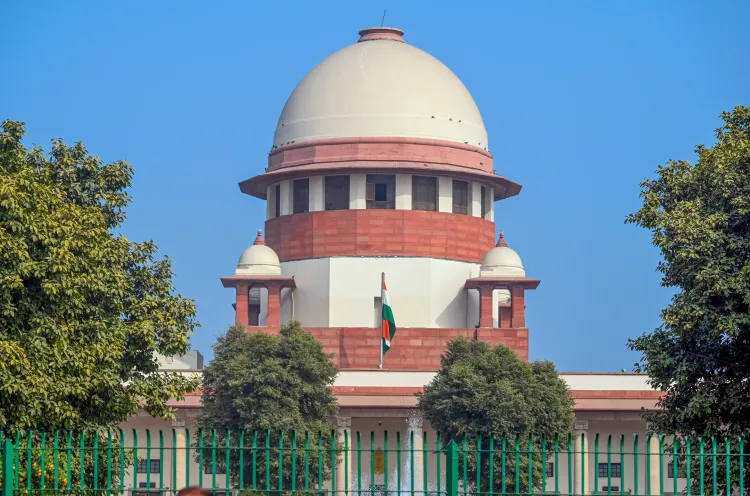
In a significant legal development, the Supreme Court of India has declined to hear journalist Ravi Nair's plea against a notice from the Ahmedabad Crime Branch related to a complaint by Adani Ports. The court advised Nair to seek relief from the Gujarat High Court instead.
Key Takeaways
Supreme Court instructed Ravi Nair to first approach the Gujarat High Court .
Notice was linked to a complaint from Adani Ports regarding Nair's article.
Nair has faced previous legal challenges, including a defamation conviction.
The court emphasized procedural adherence for legal relief.
Journalistic integrity and legal jurisdiction are crucial in high-profile cases.
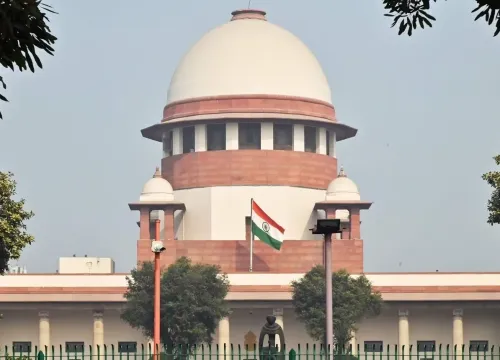
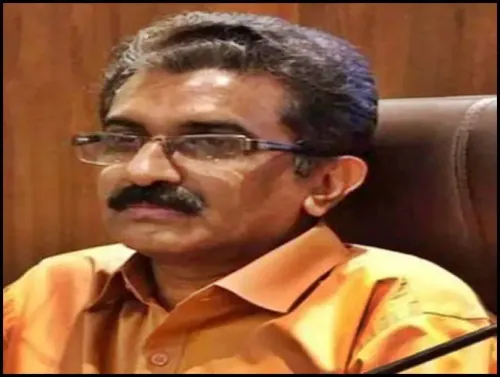
New Delhi, March 16 (NationPress) The Supreme Court of India on Monday opted not to hear a petition submitted by journalist Ravi Nair contesting a notice from the Ahmedabad Crime Branch. This notice was related to a complaint from Adani Ports and SEZ Ltd concerning an article Nair co-authored for an international media outlet.
A panel consisting of Justices Vikram Nath and Sandeep Mehta briefly considered arguments presented by senior advocate Anand Grover, representing Nair, and instructed the journalist to first seek relief from the jurisdictional High Court.
Nair approached the Supreme Court under Article 32 of the Constitution, challenging a notice dated February 12, 2026, which required his appearance for a preliminary investigation.
The notice was linked to an article published the previous year, co-authored by Nair and journalist Pranshu Verma, who was then the New Delhi bureau chief for The Washington Post.
As per the notice, Nair was summoned to present himself before the Crime Branch in Ahmedabad on February 19 regarding inquiries related to the article and a corresponding social media post.
During the proceedings, Grover contended that the Ahmedabad Crime Branch did not have the authority to issue such a notice.
However, the Bench led by Justice Nath queried why Nair did not initially approach the Gujarat High Court, showing reluctance to consider the plea.
When Grover requested interim protection from coercive measures, arguing that Nair, residing in Delhi, feared arrest if compelled to meet the Gujarat authorities, the Court declined, noting that Nair could utilize the e-filing system to seek urgent relief from the Gujarat High Court.
In a related incident, a court in Gandhinagar, Gujarat, had previously convicted Nair in a criminal defamation case brought by Adani Enterprises Ltd (AEL), sentencing him to one year of simple imprisonment and imposing a fine of Rs 5,000.
The Judicial Magistrate First Class in Mansa determined that Nair was guilty under Section 500 of the Indian Penal Code for a series of tweets and online articles published between October 2020 and July 2021.
The court indicated that Nair's publications exceeded the bounds of fair comment and permissible criticism, constituting definitive assertions of corruption, legal manipulation, abuse of governmental agencies, and undue political favoritism towards the Adani Group.
According to the court, “The imputations are articulated as factual assertions rather than speculative opinions,” and the statements shared via social media were capable of tarnishing the reputation of the complainant company among investors, regulators, business associates, and discerning members of society.
Rejecting the defense of good faith and public interest, the magistrate noted that Nair had not substantiated the serious claims made.
Point of View
It is essential to highlight the balance between journalistic freedom and legal accountability. Ravi Nair's case raises significant questions about the jurisdiction of authorities and the rights of journalists to report on powerful entities without fear of legal repercussions. The Supreme Court's directive underscores the importance of following proper legal channels.
NationPress
24 Sept 2026
Frequently Asked Questions
What was the Supreme Court's decision regarding Ravi Nair's plea?
The Supreme Court declined to hear Ravi Nair's plea, advising him to seek relief from the Gujarat High Court instead.
Why was Ravi Nair summoned by the Ahmedabad Crime Branch?
He was summoned in connection with a complaint by Adani Ports related to an article he co-authored.
What was the outcome of Nair's previous legal issues?
Nair was convicted in a criminal defamation case and sentenced to one year in prison and a fine.
What does the court's ruling imply for journalists?
It highlights the necessity for journalists to navigate legal processes carefully when facing challenges from powerful entities.
Can Ravi Nair appeal the Supreme Court's decision?
Yes, he can seek relief from the Gujarat High Court as suggested by the Supreme Court.