Supreme Court Addresses Biometric Voter Identification PIL to Combat Electoral Fraud

Synopsis
The Supreme Court has responded to a PIL requesting the introduction of biometric voter verification methods. This step aims to tackle electoral fraud and reinforce the integrity of the election process.
Key Takeaways
Supreme Court issues notice regarding biometric voting.
PIL aims to curb electoral fraud with fingerprint and iris scans.
Implementation may require significant changes and funding.
Current elections are not impacted by this petition.
Calls for restoring public trust in the electoral process.
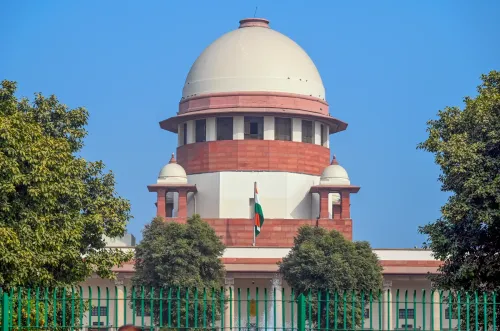
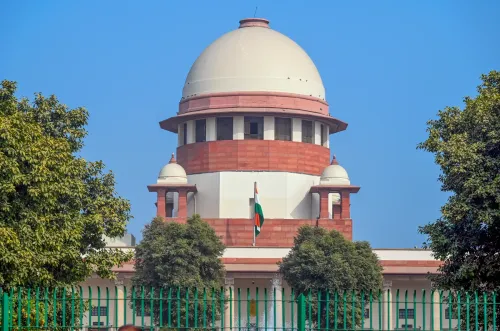
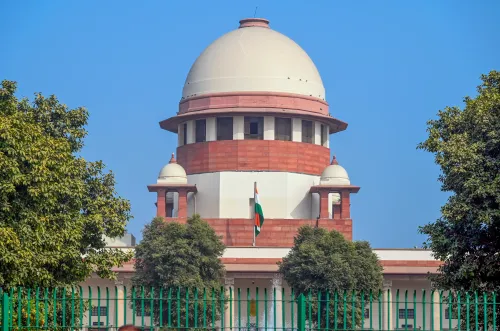
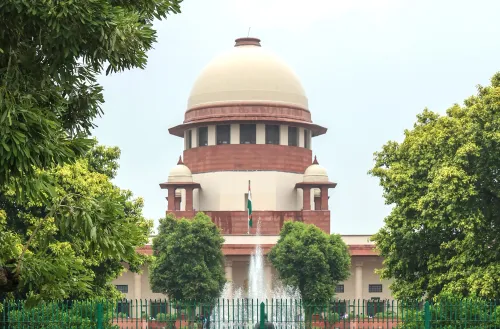
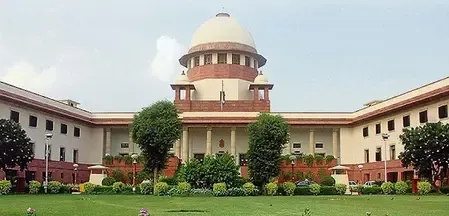
New Delhi, April 13 (NationPress) The Supreme Court has issued a notice to the Central Government, the Election Commission of India (ECI), and state authorities regarding a Public Interest Litigation (PIL) that advocates for the use of fingerprint and iris-based biometric verification of voters at polling stations to prevent electoral fraud.
A panel comprising Chief Justice of India (CJI) Surya Kant and Justice Joymalya Bagchi made this ruling while considering a petition submitted by lawyer Ashwini Kumar Upadhyay.
The notice emphasized that the requests made in the petition are not applicable for the upcoming Assembly elections in certain states.
“On the face of it, the nature of reliefs cannot be addressed before the forthcoming elections in some states. However, the need for such measures for the next parliamentary elections and/or state legislature elections warrants further examination,” stated the Supreme Court.
During the proceedings, CJI Kant acknowledged that implementing such a system would necessitate “significant modifications to existing rules” and incur a “substantial financial burden.”
The petition argued that biometric authentication through fingerprints and iris scans at polling booths would help eliminate bribery, coercion, impersonation, duplicate voting, ghost voting, and other electoral infractions.
It was noted that despite various initiatives by the electoral body, incidents of electoral fraud remain a concern, eroding public trust in the democratic process.
“The harm to citizens is considerable, as bribery, undue influence, impersonation, duplicate voting, and ghost voting continue to compromise the integrity of the electoral process,” the petition stated.
The petitioner asserted that implementing biometric verification at polling stations would guarantee that only authentic and registered voters are allowed to cast their ballots, thereby reinforcing the principle of “one citizen, one vote.”
The petition further claimed that the ECI is empowered under Article 324 of the Constitution to adopt such biometric measures to ensure fair and transparent elections.
Upadhyay revealed that he had approached the Chief Election Commissioner and Election Commissioners on March 28, advocating for the implementation of fingerprint and iris biometric identification at polling venues. However, the lack of response led to the filing of the PIL.
Point of View
Which is crucial for maintaining public trust in democracy.
NationPress
16 Sept 2026
Frequently Asked Questions
What is the purpose of the PIL regarding biometric voter verification?
The PIL aims to implement fingerprint and iris biometric identification for voters to prevent electoral fraud and ensure a fair voting process.
What did the Supreme Court decide regarding the PIL?
The Supreme Court issued a notice to the Centre and ECI but stated that the relief sought cannot be applied to upcoming Assembly elections.
What are the concerns raised by the PIL?
The PIL raises concerns about ongoing electoral fraud, including bribery and impersonation, and calls for measures to restore public confidence.
What powers does the ECI have regarding biometric measures?
The ECI can utilize its powers under Article 324 of the Constitution to implement biometric verification for elections.