Is the Supreme Court Reviewing CM Siddaramaiah's Election from Karnataka's Varuna?
Click to start listening
Synopsis
The Supreme Court's decision to review a plea against Karnataka's CM Siddaramaiah's election raises questions about electoral integrity. With allegations of bribery linked to party promises, the case could set significant precedents in Indian politics. Stay tuned for the latest updates on this developing story.
Key Takeaways
- Supreme Court to review plea against Siddaramaiah's election.
- Karnataka High Court previously dismissed the petition.
- Allegations include bribery linked to election promises.
- Potential implications for electoral integrity.
- This case may influence future political conduct.
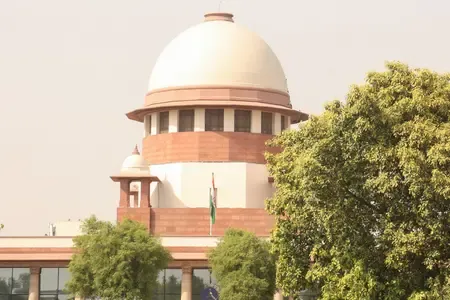
New Delhi, Dec 8 (NationPress) The Supreme Court has consented to review a petition contesting the election of Karnataka Chief Minister Siddaramaiah from the Varuna Assembly constituency. A Bench comprising Justices Vikram Nath and Sandeep issued a notice to Siddaramaiah concerning a special leave petition (SLP) that disputes the Karnataka High Court’s ruling from April 22, which had rejected a voter's election petition on the basis of “want of cause of action” and “being barred by law”.
A single-judge Bench of Justice S. Sunil Dutt Yadav remarked that the pleadings were “vague”, “casually drafted”, and largely a “replication” of previous petitions.
Justice Yadav stated, “The plaint is liable to be rejected both on the ground of ‘want of cause of action’ as well as being barred by law.”
The petition, initiated by a voter from the Varuna constituency, alleged that the Congress party’s five electoral guarantees amounted to bribery and undue influence under Section 123 of the Representation of the People Act (RP Act).
It claimed that Siddaramaiah, as the party’s candidate, bore joint responsibility for these promises since his image appeared on the manifesto and he allegedly distributed “guarantee cards”.
Upon approving Siddaramaiah's application under Order VII Rule 11 of the CPC, the Karnataka High Court determined that the petition lacked substantive facts, revealed no cause of action, and was legally barred.
Referring to the Supreme Court’s verdict in the S. Subramaniam Balaji case, it emphasized that manifesto promises made by a political party do not equate to corrupt practices by an individual candidate.
Justice Yadav also dismissed the argument that the election results were materially impacted due to alleged breaches of the Constitution and the Model Code of Conduct.
He stated, “There is no averment in the petition as to how the aforesaid ‘Guarantees’ have materially affected the result of the election.”
It is noteworthy that three other similar petitions have already been dismissed by other benches of the Karnataka High Court.
Point of View
This case underlines crucial issues regarding electoral conduct and the responsibilities of political candidates. As the Supreme Court takes on this matter, it serves as a reminder of the importance of transparency and accountability in the electoral process. Our commitment remains with the nation's integrity as we follow this story closely.
NationPress
11/12/2025
Frequently Asked Questions
What is the main issue being reviewed by the Supreme Court?
The Supreme Court is reviewing a plea that challenges the election of Karnataka Chief Minister Siddaramaiah from the Varuna Assembly constituency, particularly focusing on allegations of electoral bribery and improper conduct.
What was the Karnataka High Court's decision regarding the petition?
The Karnataka High Court dismissed the petition, stating it lacked material facts and was barred by law, describing the pleadings as vague and a replication of earlier petitions.
How might this case impact Siddaramaiah's political future?
Depending on the Supreme Court's ruling, this case could significantly impact Siddaramaiah's political future and set important legal precedents regarding electoral practices in India.