Why Have Schools in Gautam Buddha Nagar Closed for Four Days?
Click to start listening
Synopsis
In the wake of severe winter conditions, Gautam Buddha Nagar schools will close for four days to protect students' health. With dense fog and plummeting temperatures, this decision aims to ensure safety. However, the late notification has caused confusion among parents and schools alike.
Key Takeaways
- Four-day school closure in Gautam Buddha Nagar announced.
- Closure due to cold wave, dense fog, and pollution.
- Teacher and staff presence required despite school closures.
- Confusion arose from late notification.
- Health and safety of students prioritized.
New Delhi, Dec 29 (NationPress) In response to the severe cold wave, persistent dense fog, and increasing pollution levels, the Gautam Buddha Nagar district administration has mandated a closure of all schools for four days.
According to a directive released late Sunday night by the District Basic Education Officer (DBEO), acting under the orders of the District Magistrate, all recognized schools -- whether they are affiliated with CBSE, ICSE, IB, UP Board, or any other board -- will be closed from December 29, 2025, to January 1, 2026.
This closure applies to students from nursery through grade 12.
The decision was made with child health in mind, considering the risks posed by the extremely low temperatures, dense fog, and poor air quality.
Nonetheless, the directive indicates that teachers, staff, and administrative personnel from government, aided, and unaided schools must report to work and carry out their administrative responsibilities as usual.
The district administration has emphasized strict adherence to this order.
The late-night release of the order led to some confusion on Monday morning.
Several private schools did not receive timely notifications, resulting in some institutions opening their doors and informing students and staff only after their arrival.
This delay prompted concerns among parents, who argued that had the order been communicated earlier, their children would not have had to brave the severe cold and fog to reach school.
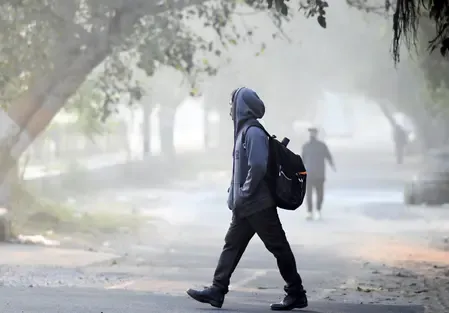
Recently, temperatures in Gautam Buddha Nagar and the larger NCR region have been on a decline, with dense morning fog severely limiting visibility.
Authorities have stated that this closure is a precautionary measure to safeguard the well-being of students during these harsh winter conditions.
The administration's decision comes against a backdrop of rising air pollution and extreme cold, with a clear focus on prioritizing the health and safety of children amid these challenging weather circumstances.
Point of View
The proactive stance taken by the Gautam Buddha Nagar district administration highlights the need to prioritize children's health and safety in the face of challenging weather conditions. While the late notification created confusion, the focus on safeguarding students is paramount. As the situation unfolds, it is essential for authorities to enhance communication to prevent similar issues in the future.
NationPress
08/01/2026
Frequently Asked Questions
Why are schools in Gautam Buddha Nagar closed?
Schools are closed due to severe cold weather, dense fog, and rising pollution levels, which pose health risks to students.
What dates are the schools closed?
Schools will remain closed from December 29, 2025, to January 1, 2026.
Are teachers required to report to school during this closure?
Yes, teachers, staff, and administrative personnel are required to report to school and perform their duties.
Did all schools receive the closure notification on time?
No, some private schools did not receive timely notifications, leading to confusion.
What measures are being taken to ensure student safety?
The closure is a precautionary measure to ensure the health and safety of students during harsh winter conditions.